Dois
On day two, we awake at noon after another (mostly) sleepless night – and laugh at our jet lag. Sometimes on a big trip, you need to guard against ‘shoulds’ – all those little details you fussed over in the planning stages – the story you’ve told yourself. Like a battle, all plans are out the window once the action starts – be ready to edit/rewrite parts of the story of your vacation.
The world’s oldest livraria
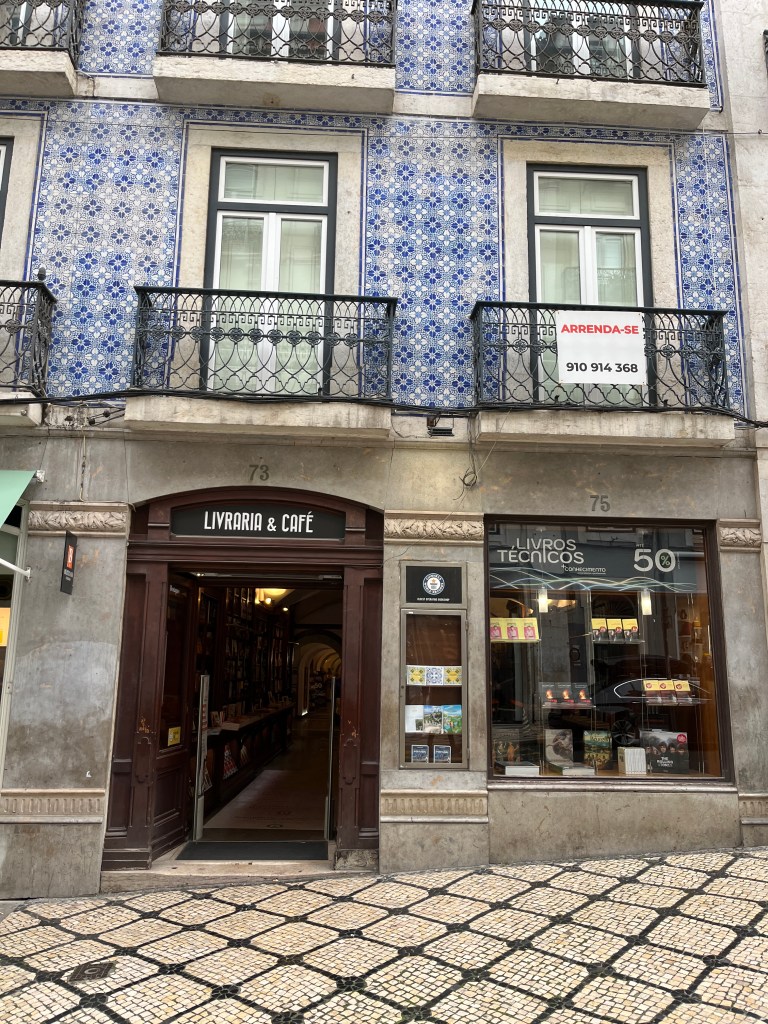
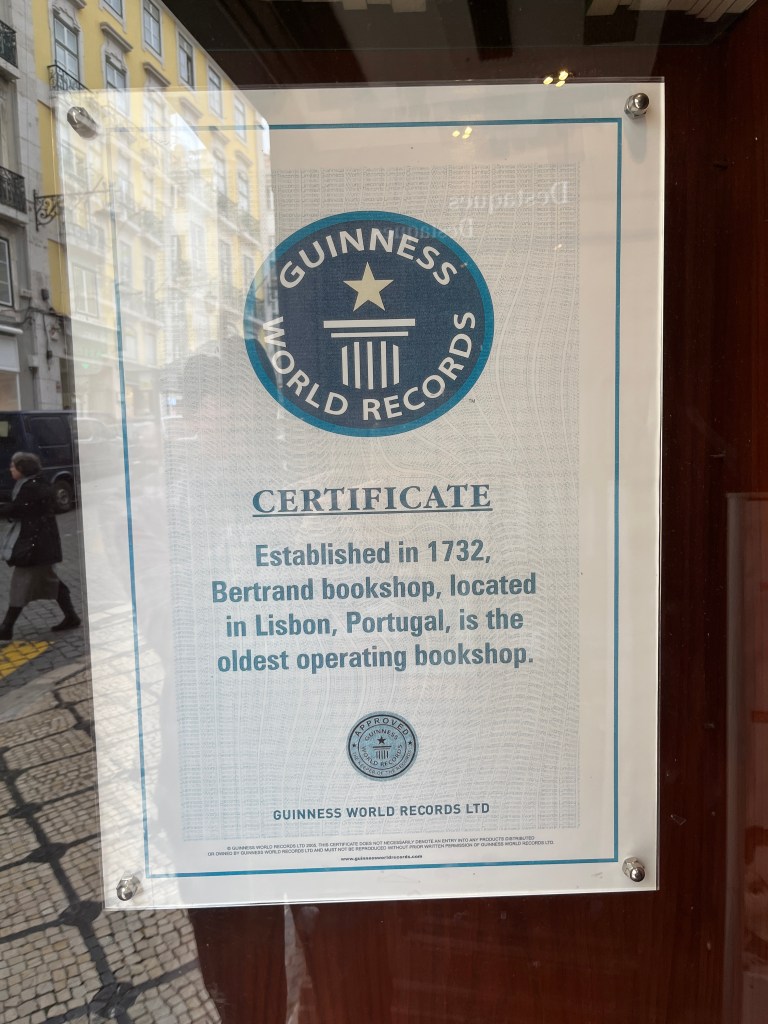
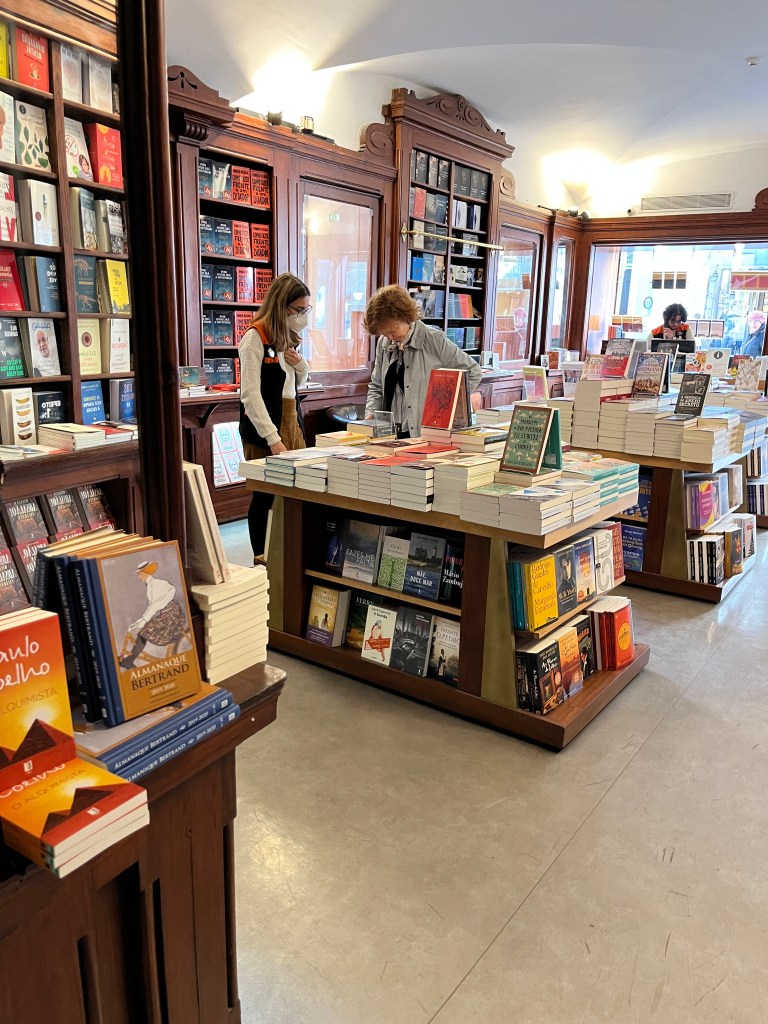
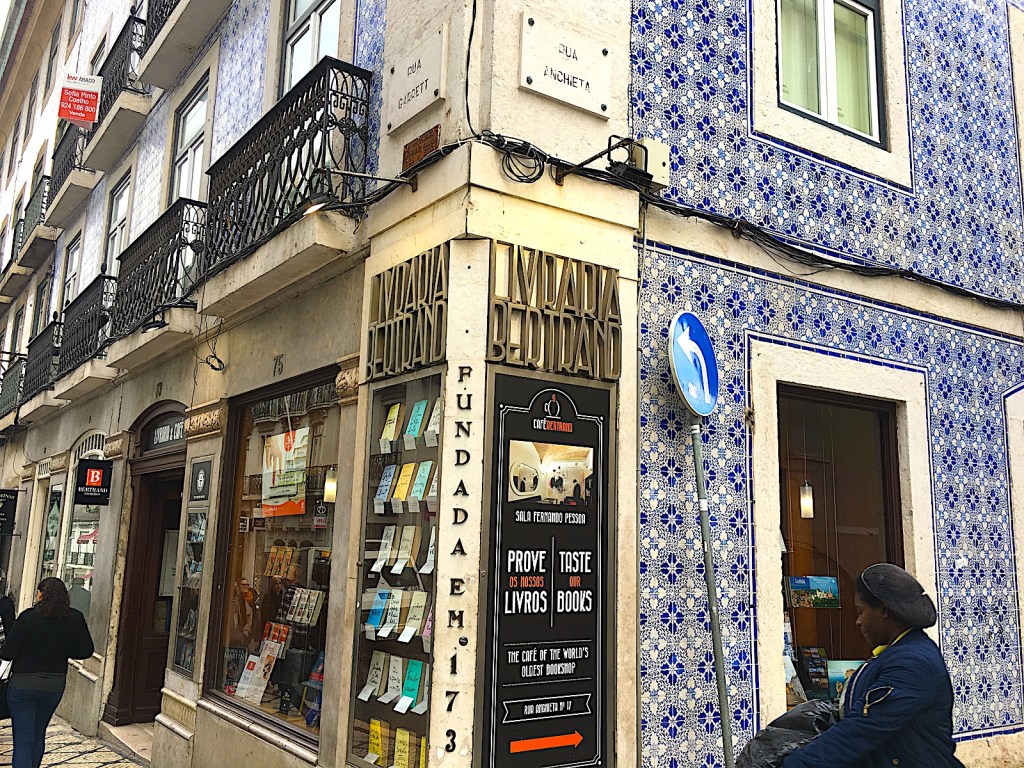
Not more than 40 strides from our front door is Livraria Bertrand, an invitingly cozy and warmly lit bookstore that has the distinction of being the world’s oldest (the previously oldest having been destroyed in WWII air raids). There’s just something about this place that draws us back and by the time we leave Lisboa, we’ll have visited at least 5 times. We love books and the way they display them plus it’s a treat to hang out in their cafe, sip espresso and read whatever book you are curious about.
Fine, B-MAD
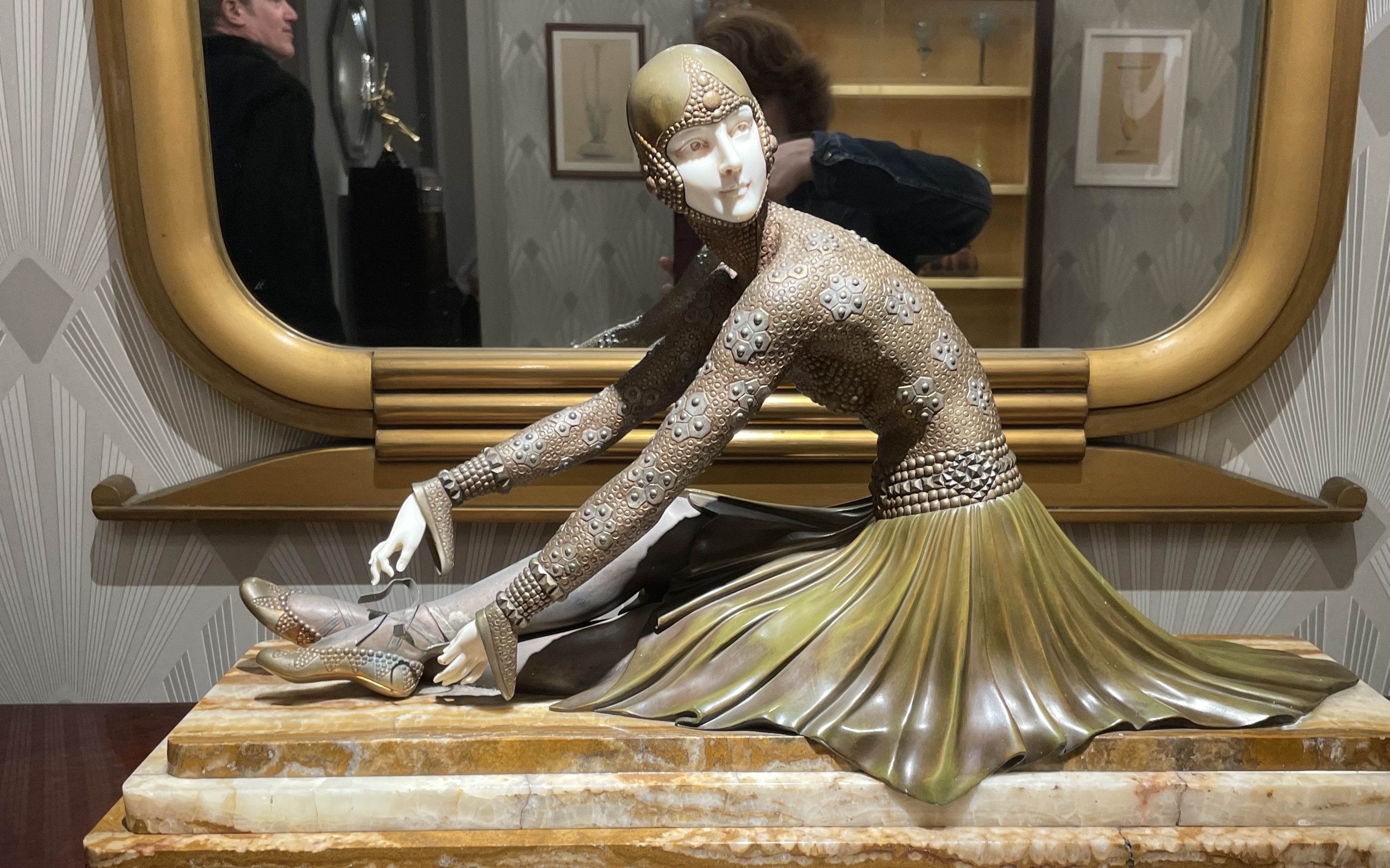
Stasia loves Art Deco (from Art Noveau -> Modernism). Loves it from so many angles – the historical parallels, the exploration of materials/textures, the social progression it helped drive, and so on. Guess which husband of the year found a delightful museum devoted to it? And they give tours in English? And it’s all followed by a wine tasting? Only 6 euros? I’ll just curtsey a little so they can put the tiara on.
The B-MAD (Berardo – Museum Art Deco) was a hidden gem! Our eyes feasted on early 20th-century rooms adorned in experimental furniture, crazy geometries, colorful paintings, and striking statuettes.
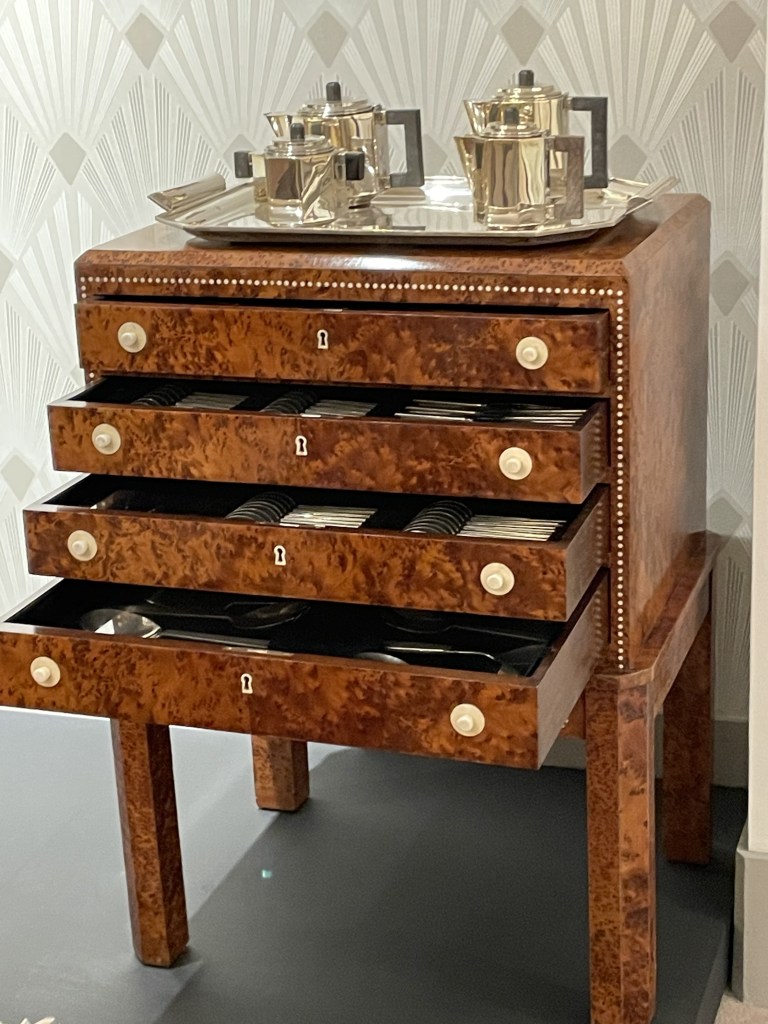
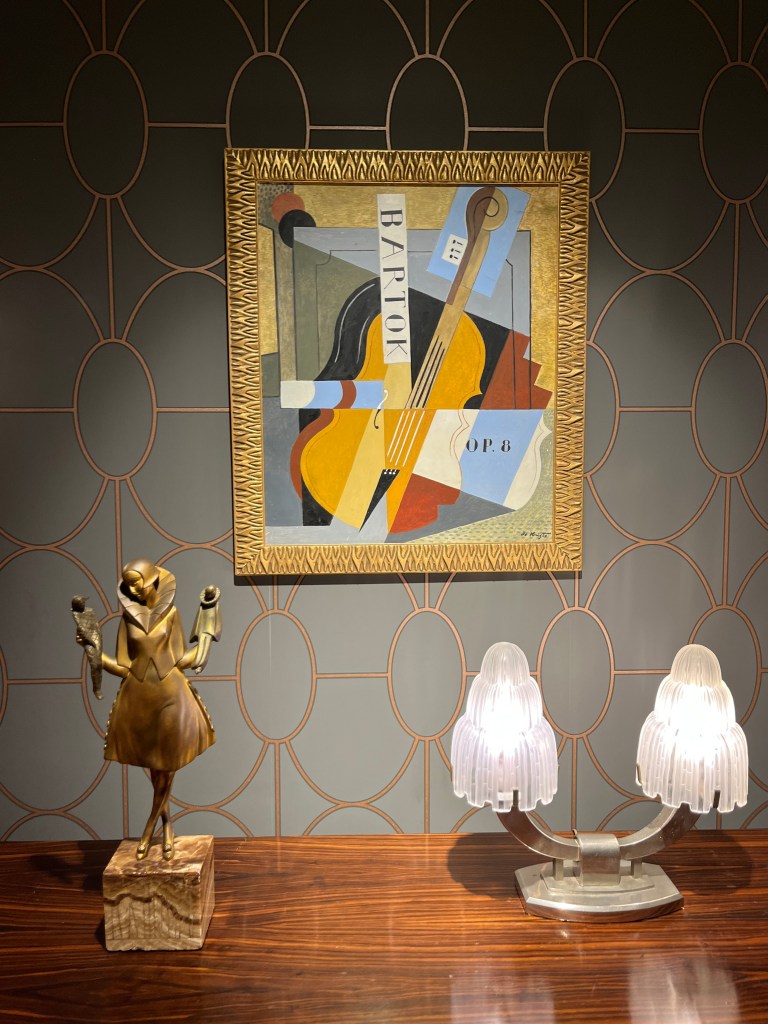
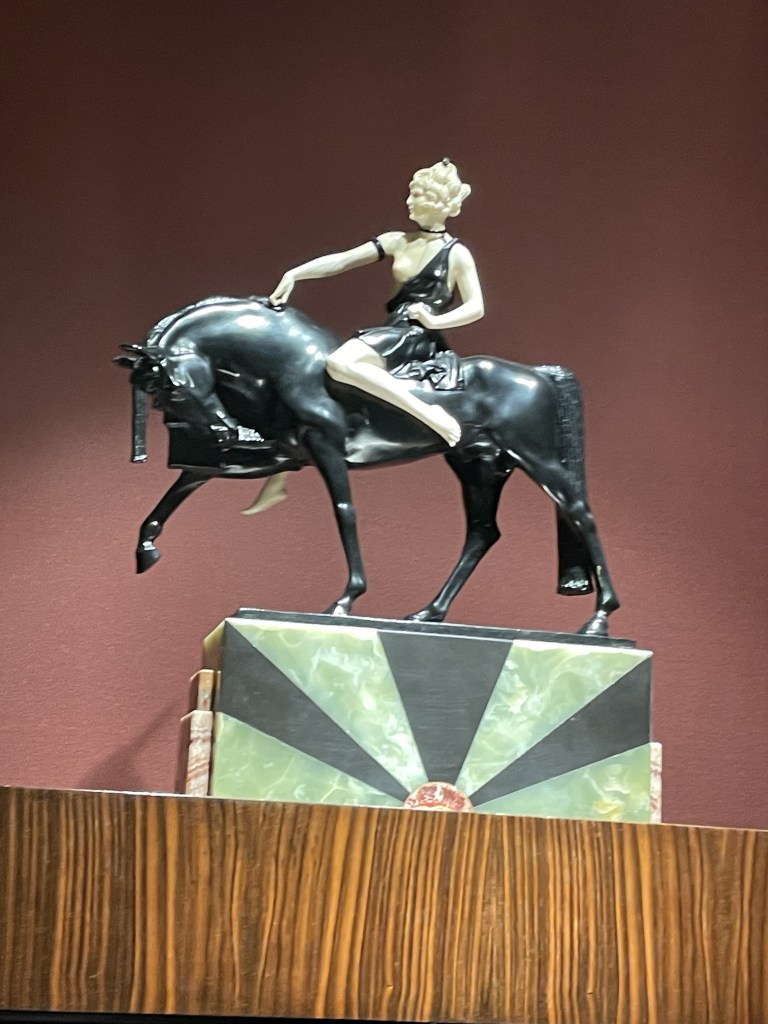
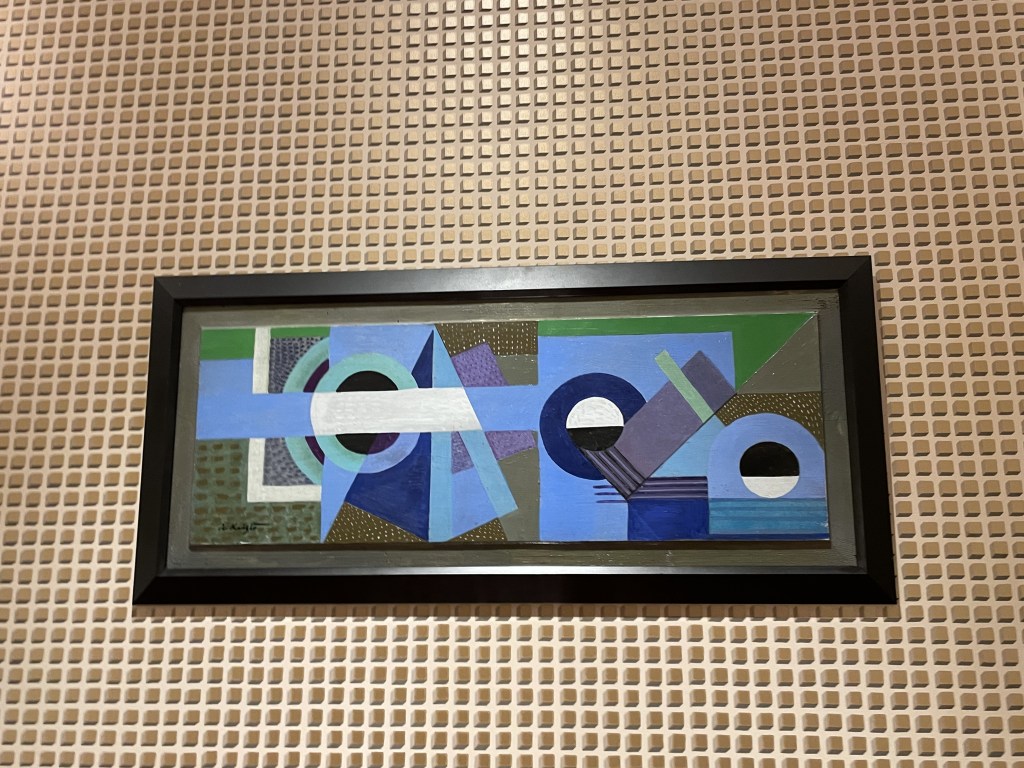
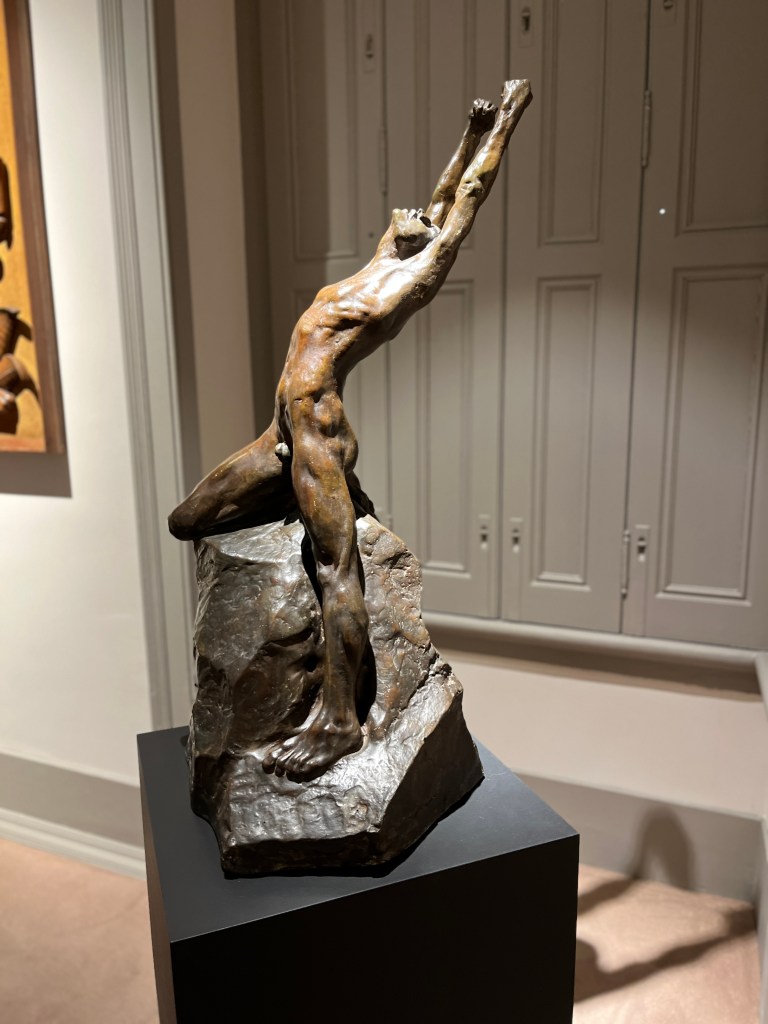
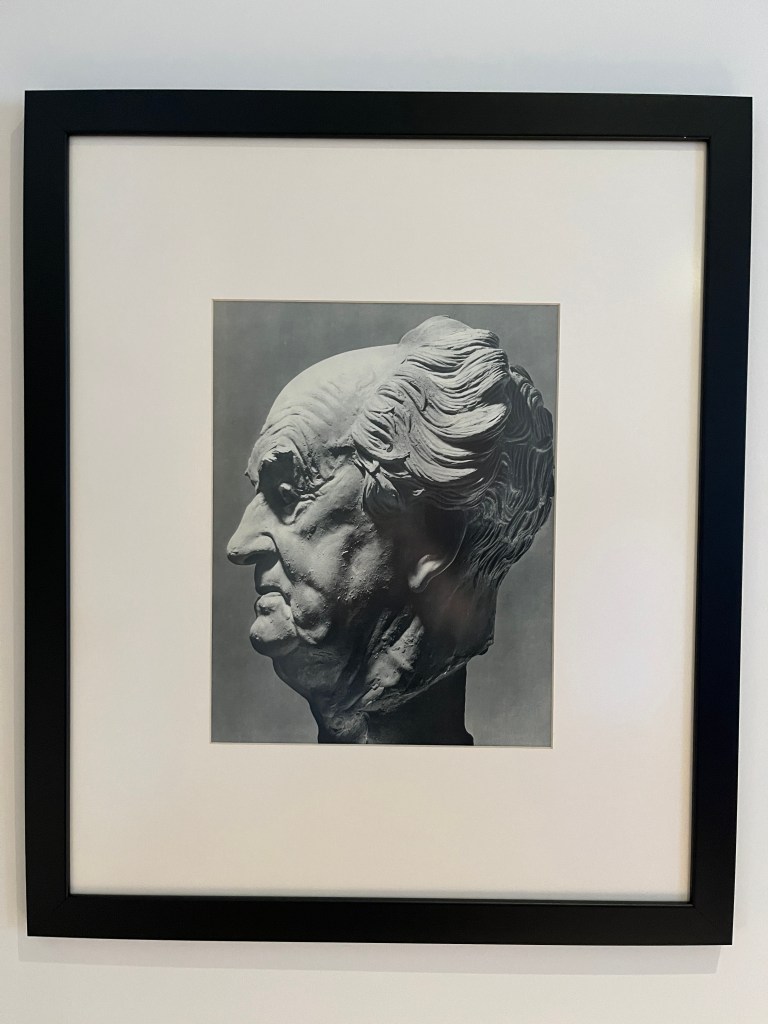
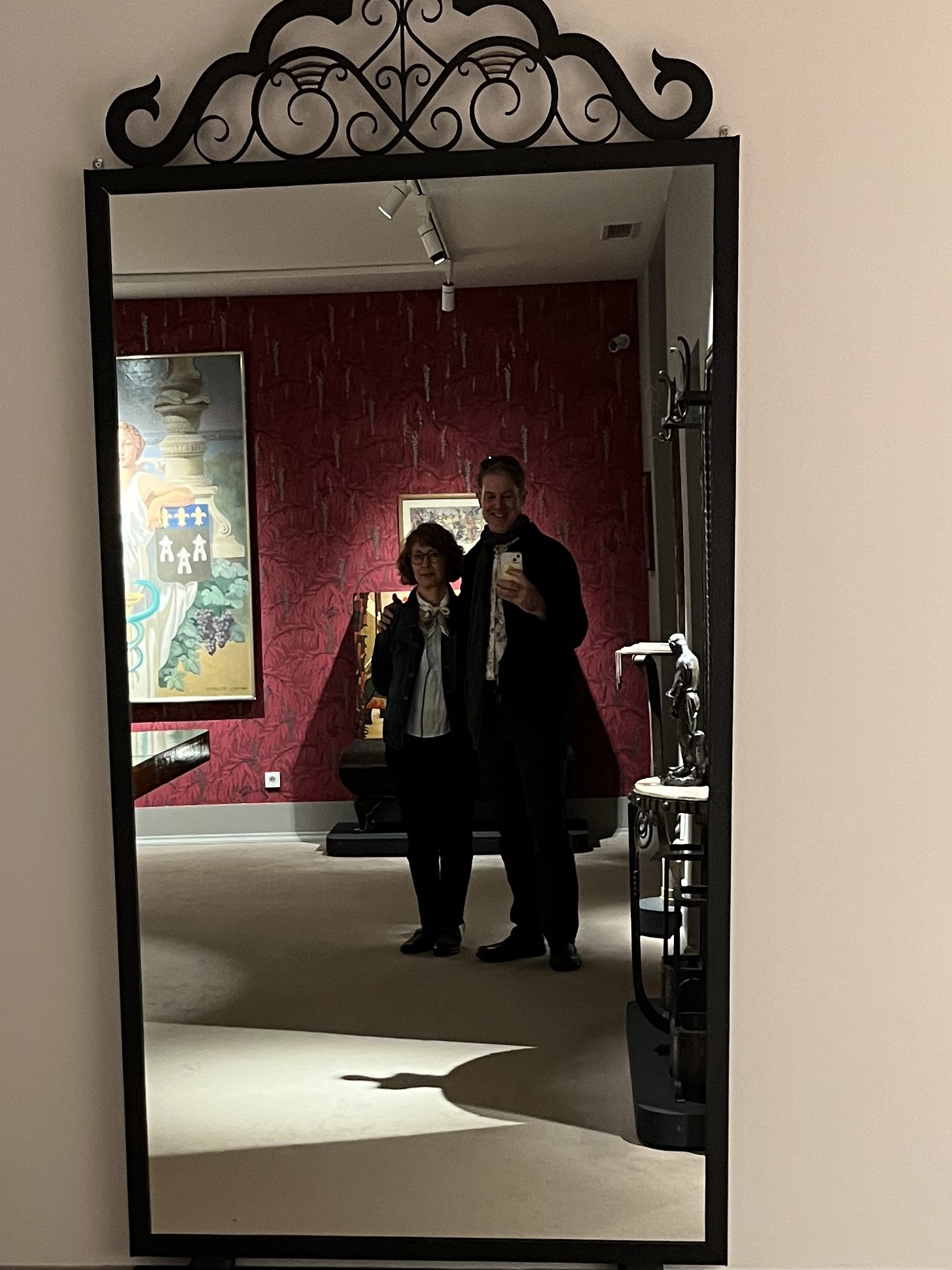

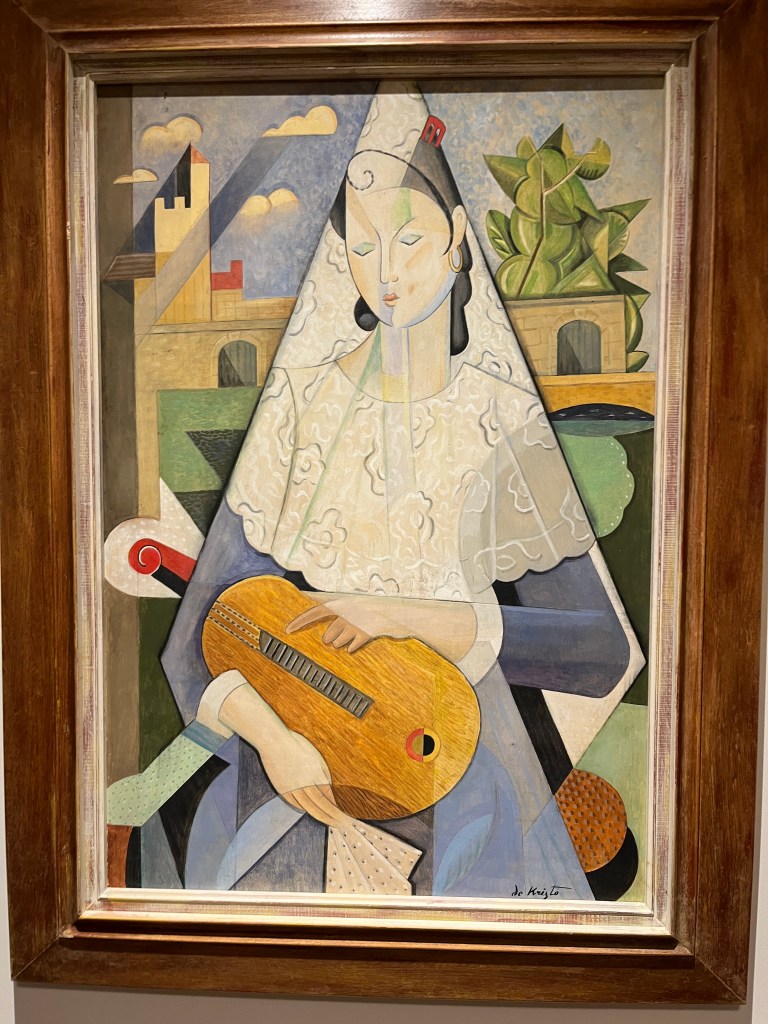
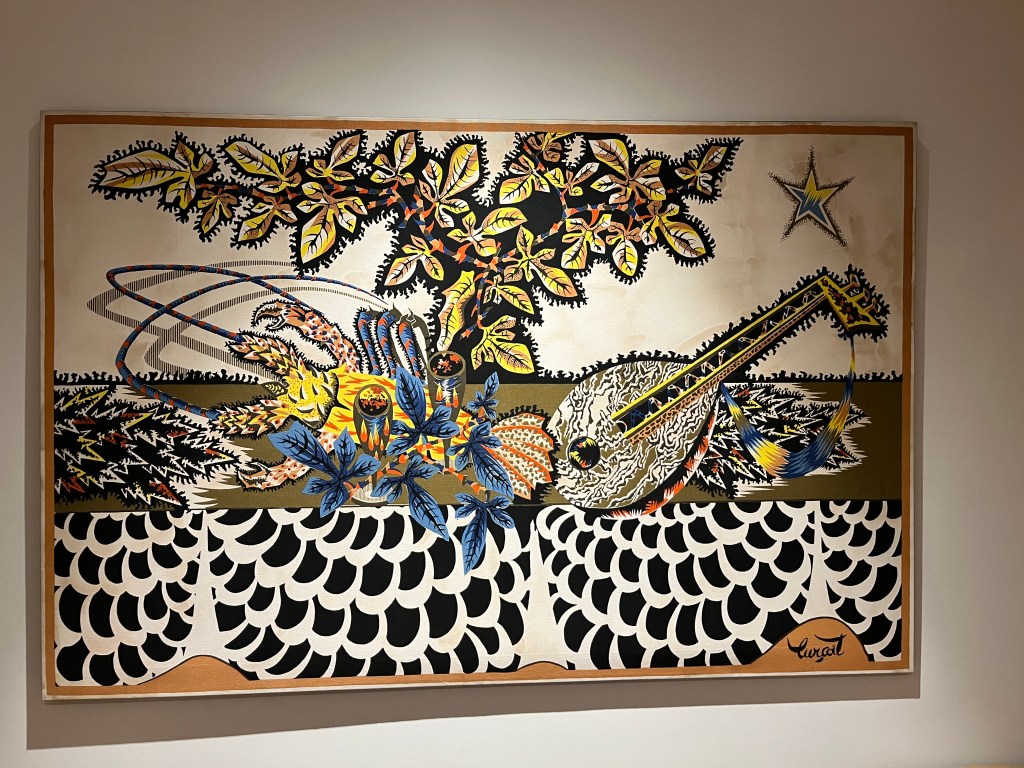
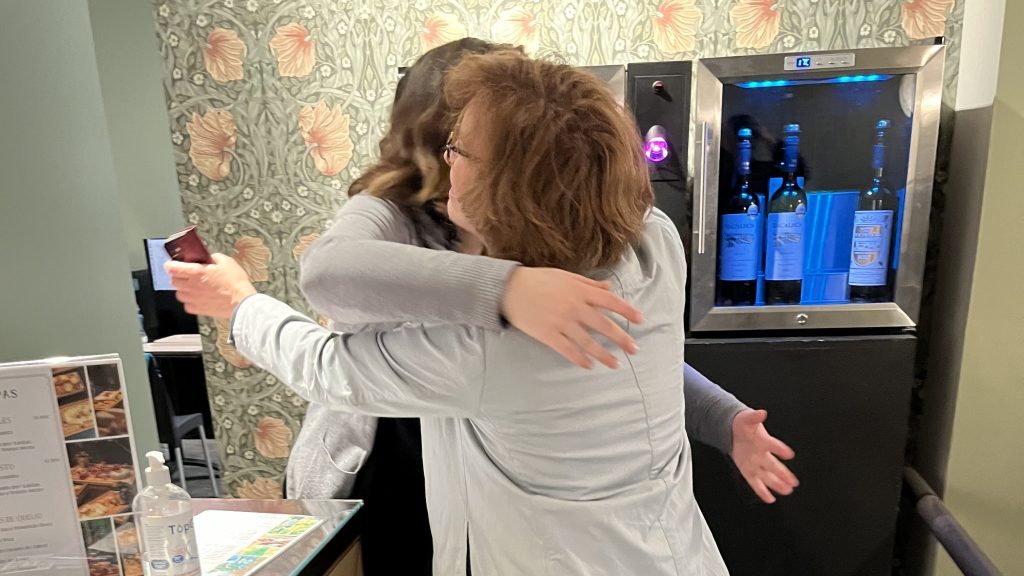
Stasia and the tour guide traded deco history factoids and got on famously – prompting extra portions of wine for us and hugs at the end.
Best foodie tip ever
At the wine tasting following the deco exhibit, we sip smooth muscatel and wag chins with a couple from America who recommend that we check out LXFactory, the adjacent artist village. Passing through the arched entrance, it appears that a group of artists took over a forgotten, ramshackle street and converted it into art studios, bars/restaurants, a hostel, and assorted shops.
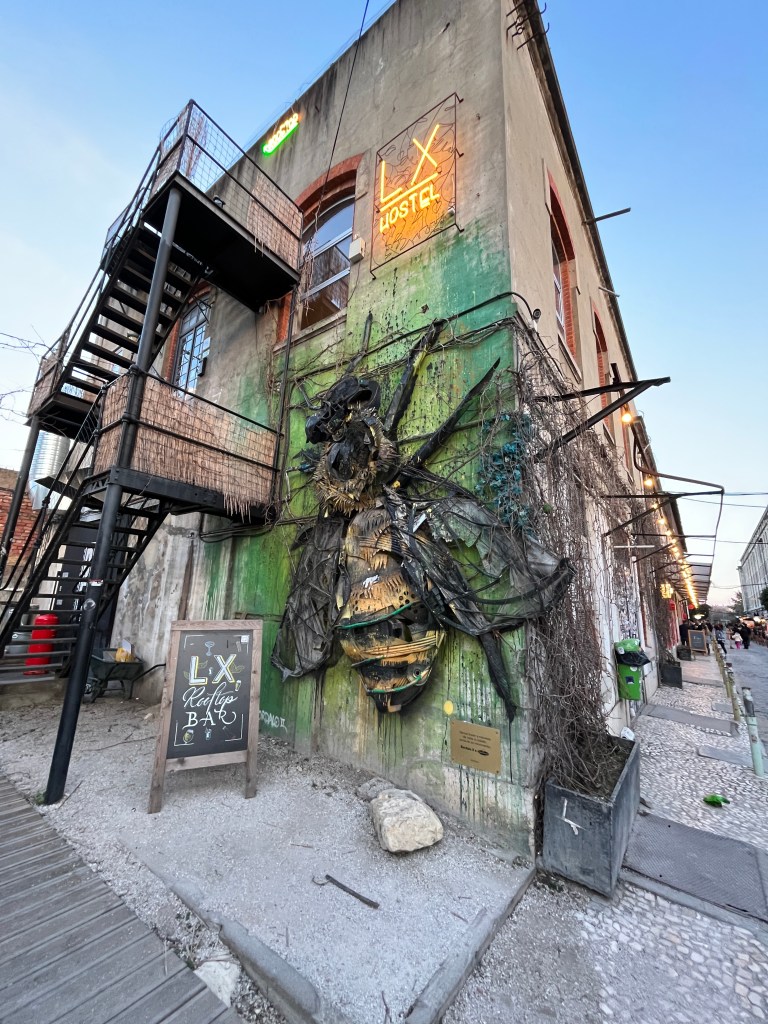
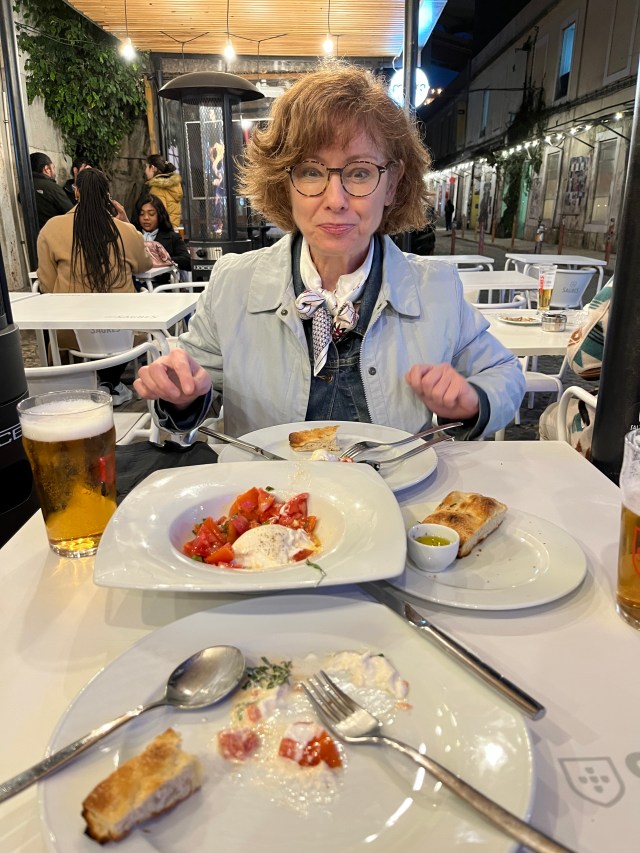
We pull into an Italian joint for a snack – the burrata salad we share is briny and soooo satisfying with the Sagres lager.
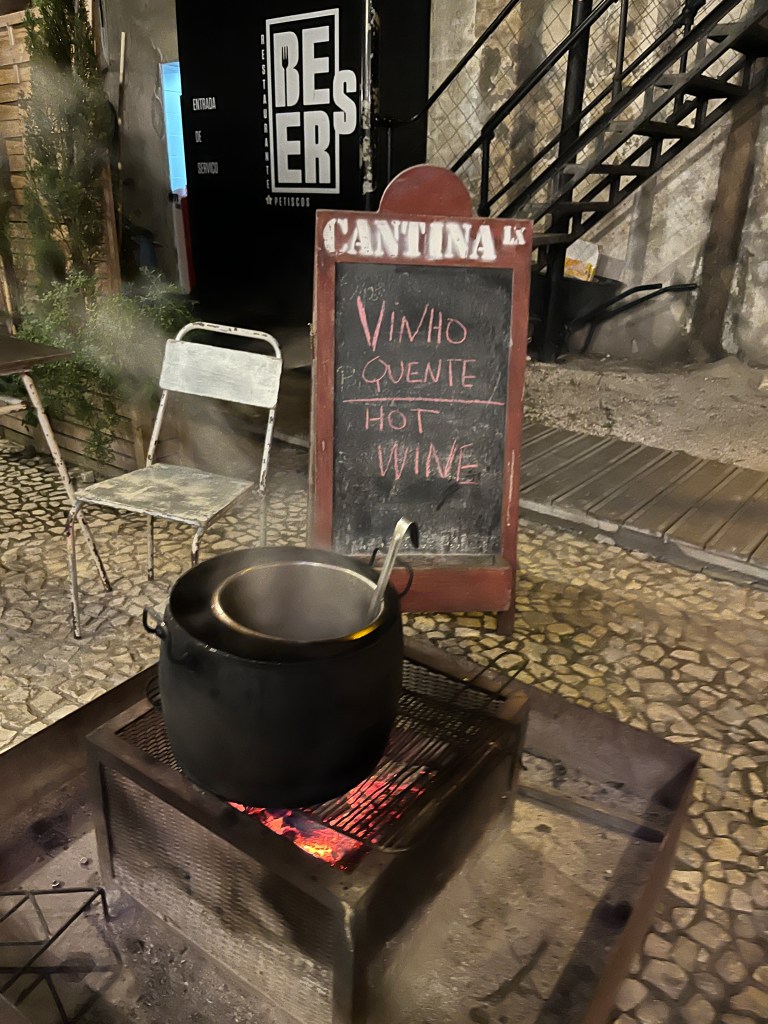
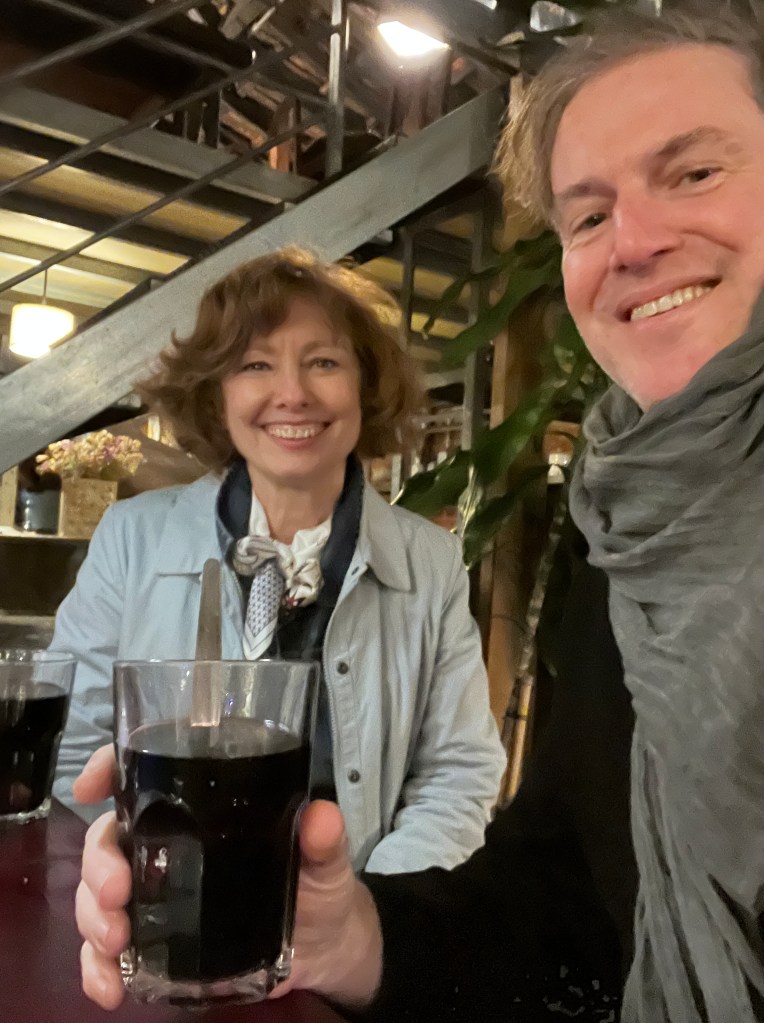
But now it’s dark and a chill is setting in. We decide to call it a day and are exiting the compound when we spy a large cauldron atop some glowing coals with the sign ‘Hot Wine’. Why not warm up the hands and hearts? And while we’re at it, let’s try the marinated rabbit appetizer. OYMYGOD. It is truly one of the most delicious things we’ve ever eaten. We appeal to the waitress to tell us how this ambrosia was made – she says they marinate the rabbit in vinegar for 24 hours. Pro-tip – and one I’ve never heard of: marinading in vinegar tenderizes, preserves, improves flavor, and blunts the gamey taste of wild meats.
Our Uber driver is a bouncy, loquacious Brazillian guy who engages us with the few words of English he knows. We use our translator to ask him questions and we end up talking about our kids and how much we love them.
Time for bed, but don’t worry – we don’t actually sleep. After a promising 90 minutes of light REM, we’re jolted awake by this strangely persistent jet lag and pretty much remain conscious for the rest of the night.
Dia Tres
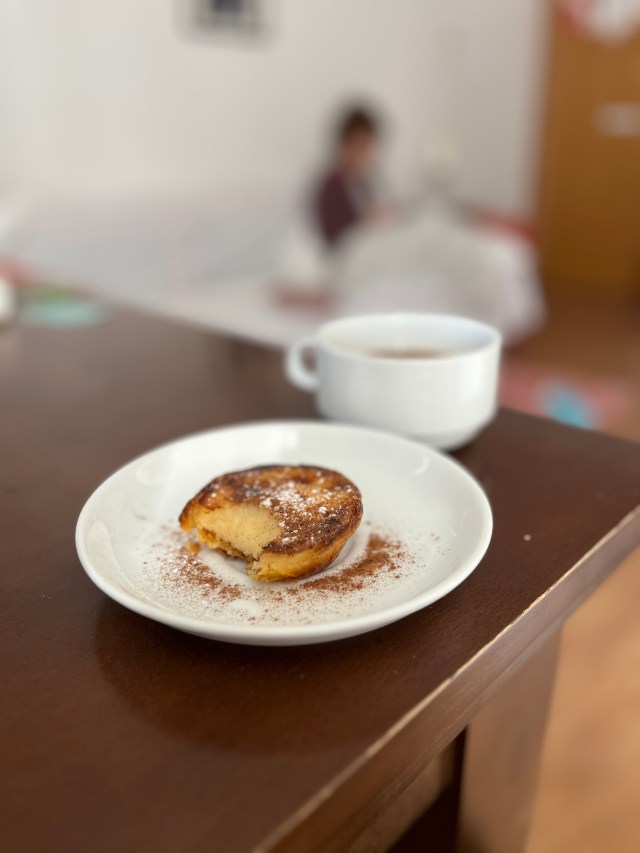
Day three and there’s nothing that can keep us down. Literally. Turns out we are capable of having a great time without sleep – though we know we’re writing checks that will have to get cashed at some point. We pop up, grab a café and pastel de nata from the bakery next door.
Pastel de Nata
This is the national breakfast/snack/dessert. There are dozens of ‘bakeries’ all around the area we’re in and ALL they do is make pastel de nata. Each is competing to win the annual contest and be Lisboa’s favorite. The popular ones have queues going out the door during rush hour.
Santa Justa Elevador
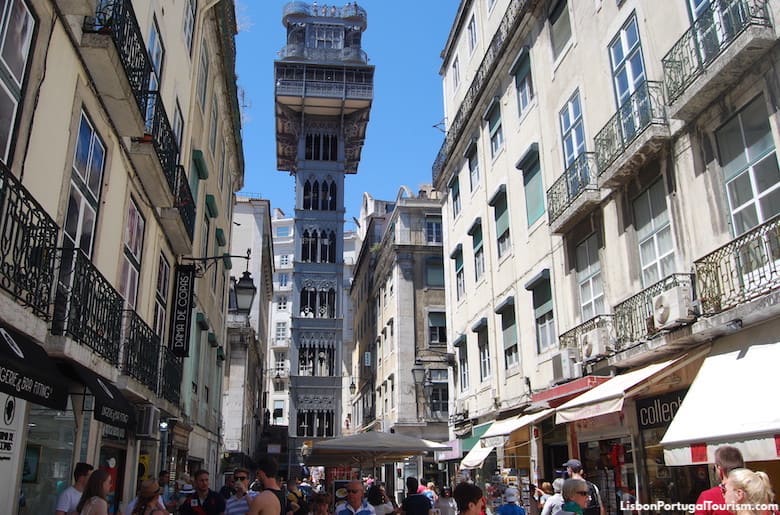
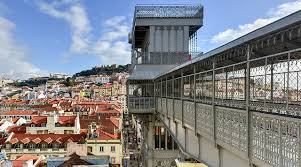
Our first stop is the Santa Justa Elevator – a funky cool 80-foot outdoor elevator (designed by Alec Eiffel) to help people get up to the Barrio-Alto (upper neighborhood). Of course, you can also walk the streets uphill to get there, but there are so many steep hills that multiple elevators, escalators, and funiculars exist throughout the city to assist. One look at the line (which we know will take quite a while to get through) and we decide to hoof it instead.
Convento do Carmo
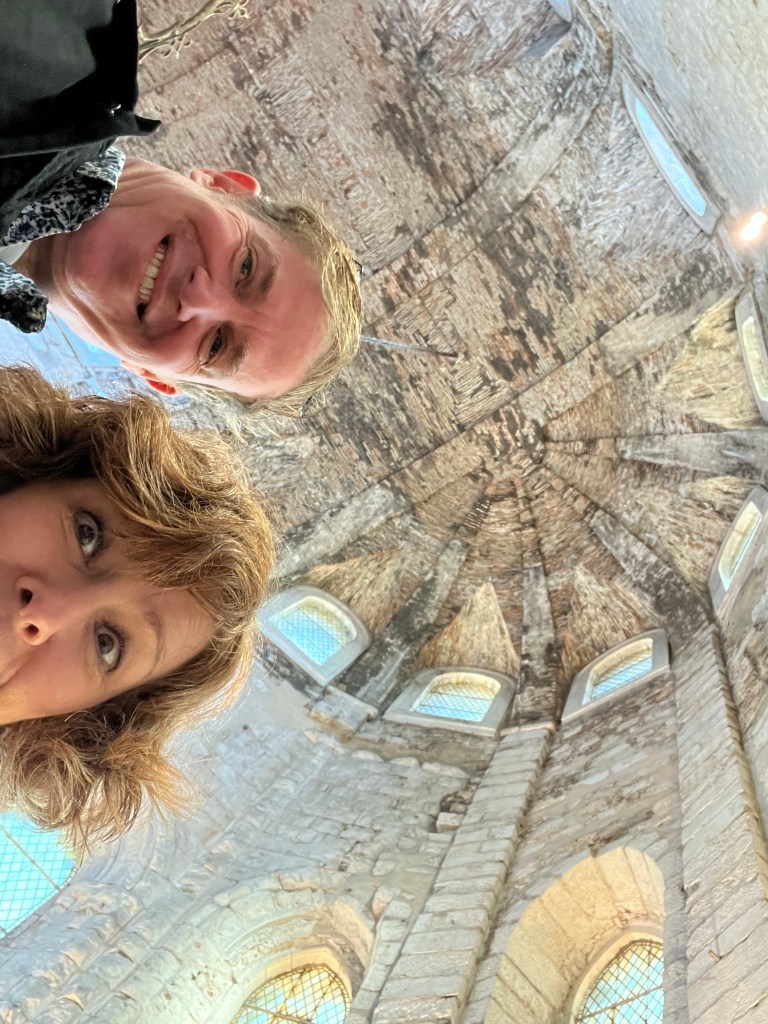
Onwards and upwards to the medieval ruins of Convento do Carmo, an enormous 14th-century cathedral whose roof (along with most of Lisboa) was destroyed in their devastating 1755 earthquake. The scale of this thing is impressive, causing one to stare straight up and spin around to take it all in.
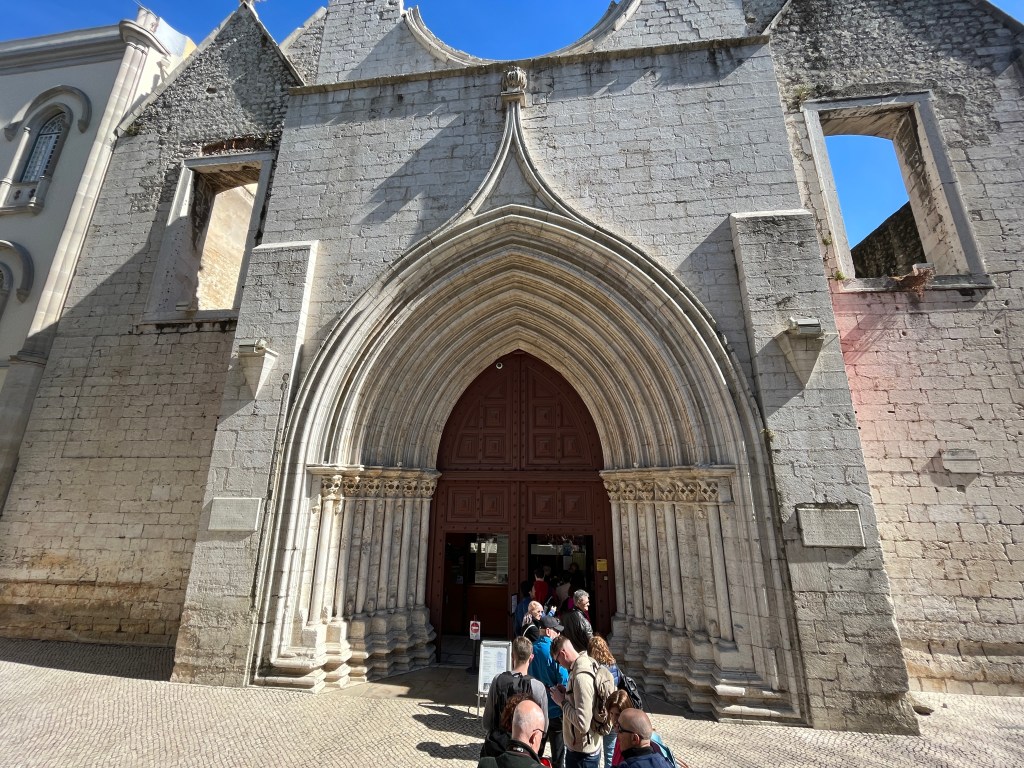
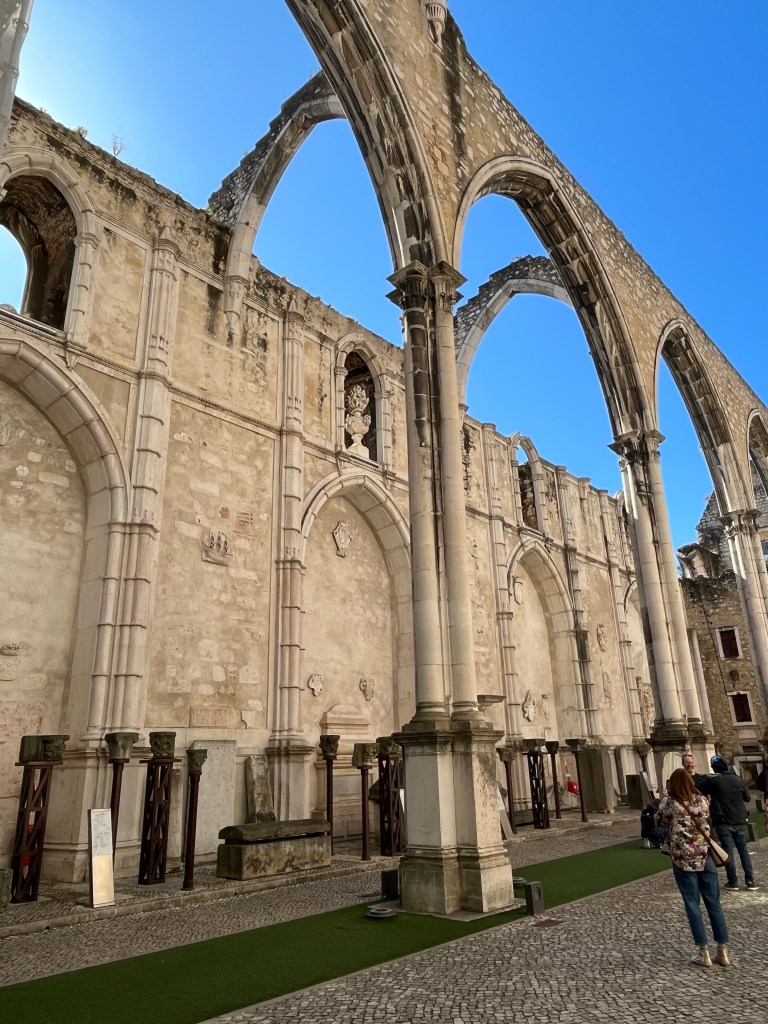
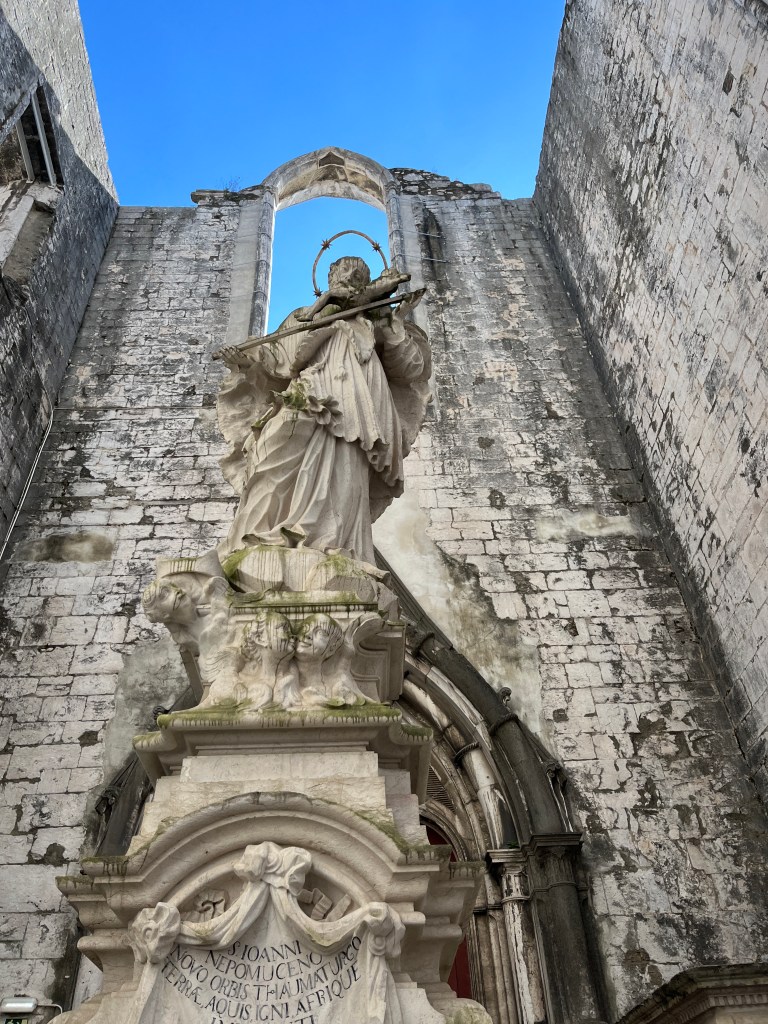
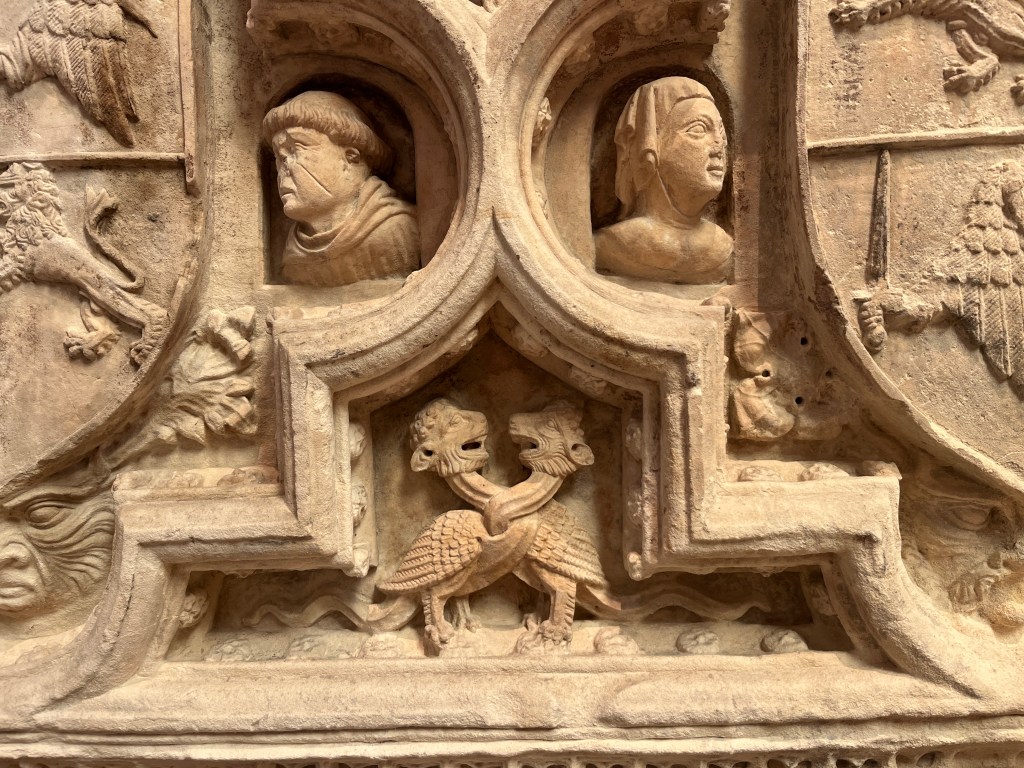
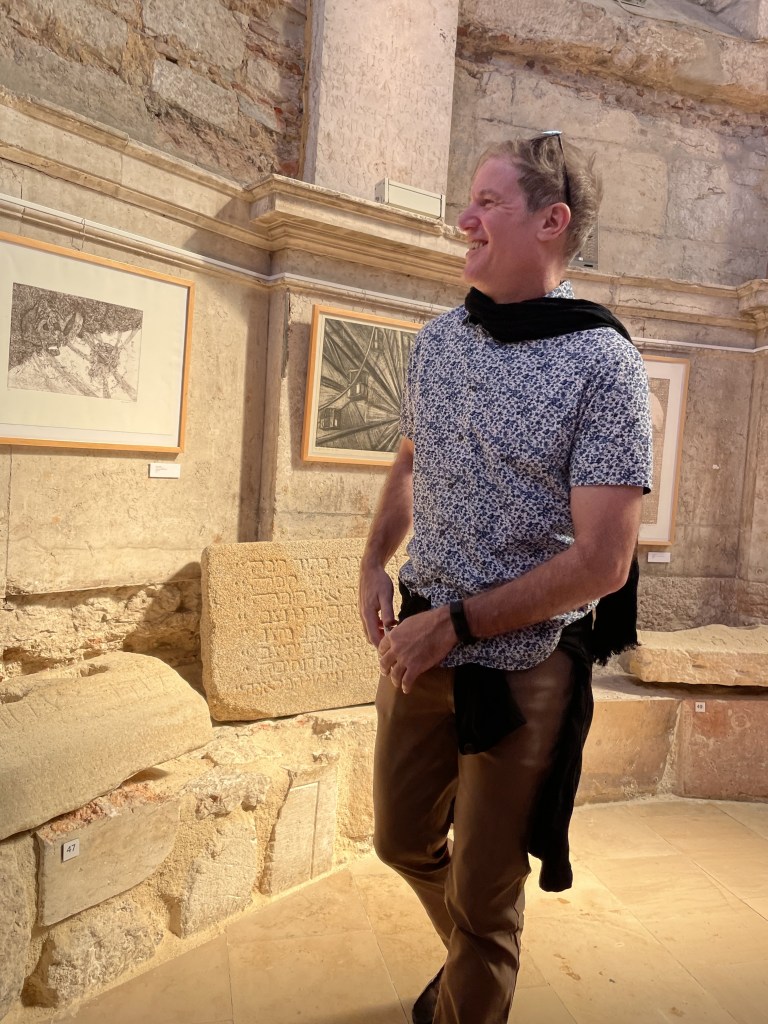
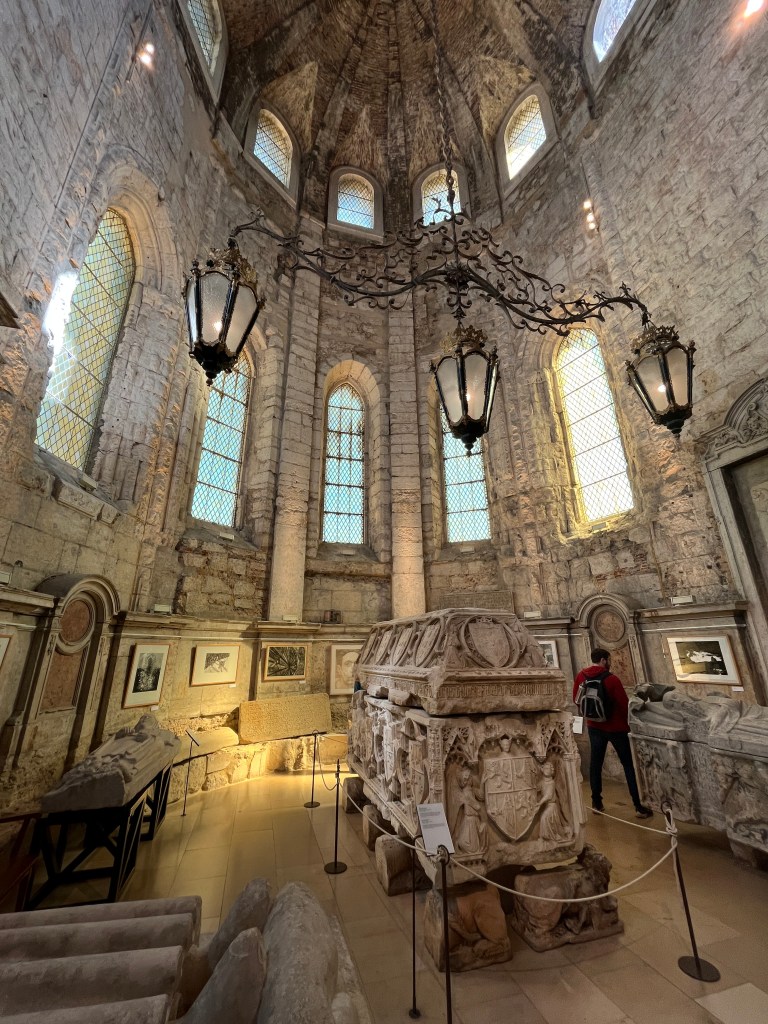
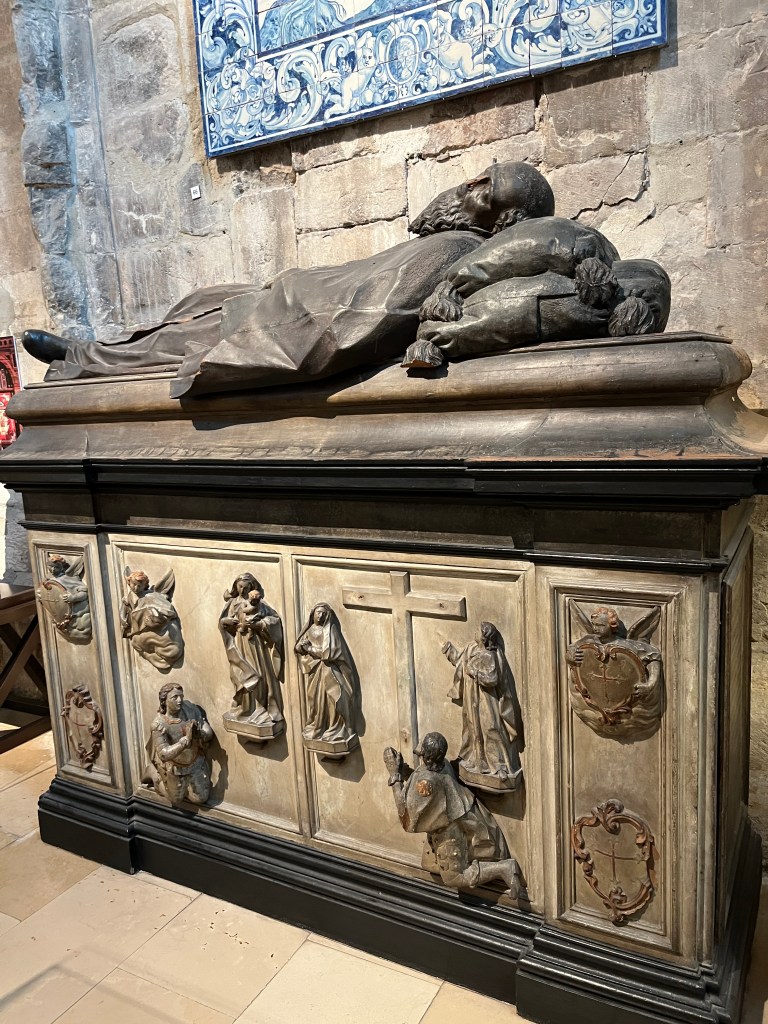
A few surrounding rooms were spared the devastation and currently house an archeological museum. Inside, the scale of the ornate sarcophagi is ponderous. There are massive tombs with allegorical reliefs on the sides depicting wild boar hunts, an alchemist in his lab, mythological creatures – and of course plenty of religious metaphor. The artifacts include both relics from the medieval church, but also the kings personal collections, reaching back into prehistoric times with ancient needles, mayan pottery and even some rather parched looking mummies. Woven into this experience are a few modern painting exhibits. That was a nice touch! There is an underground catacomb that houses loads of dead celebrities, like Christopher Columbuses wife and heaps of bishops, deacons, kings, princes etc. It’s a who’s who of dustry dismembra.
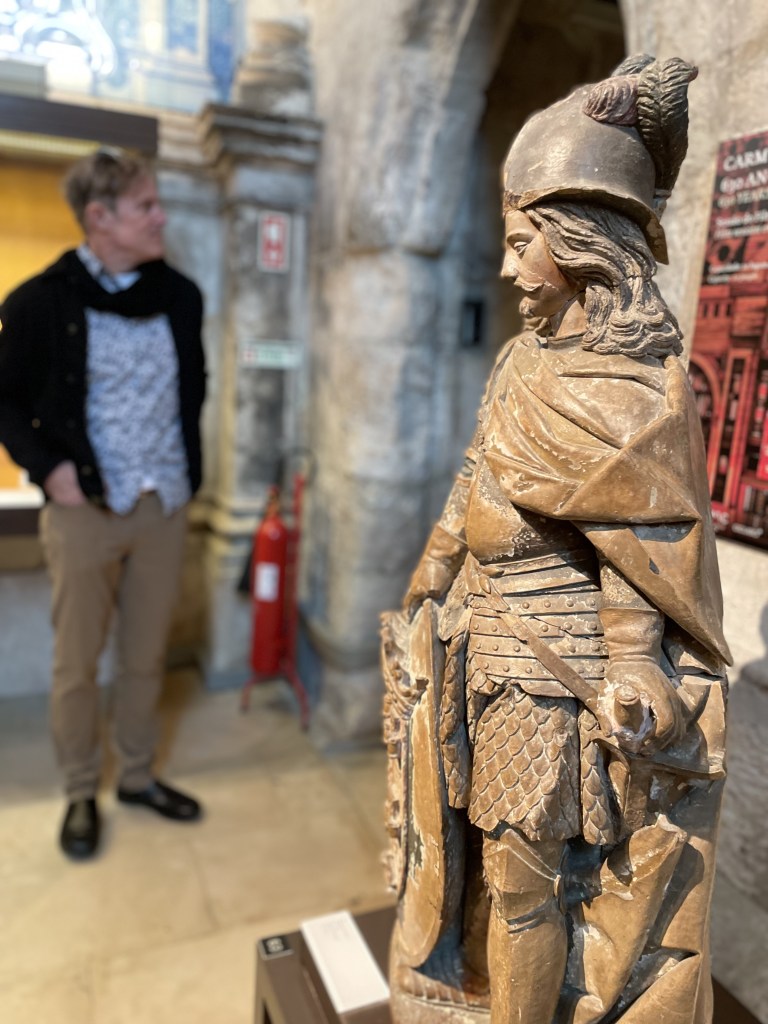
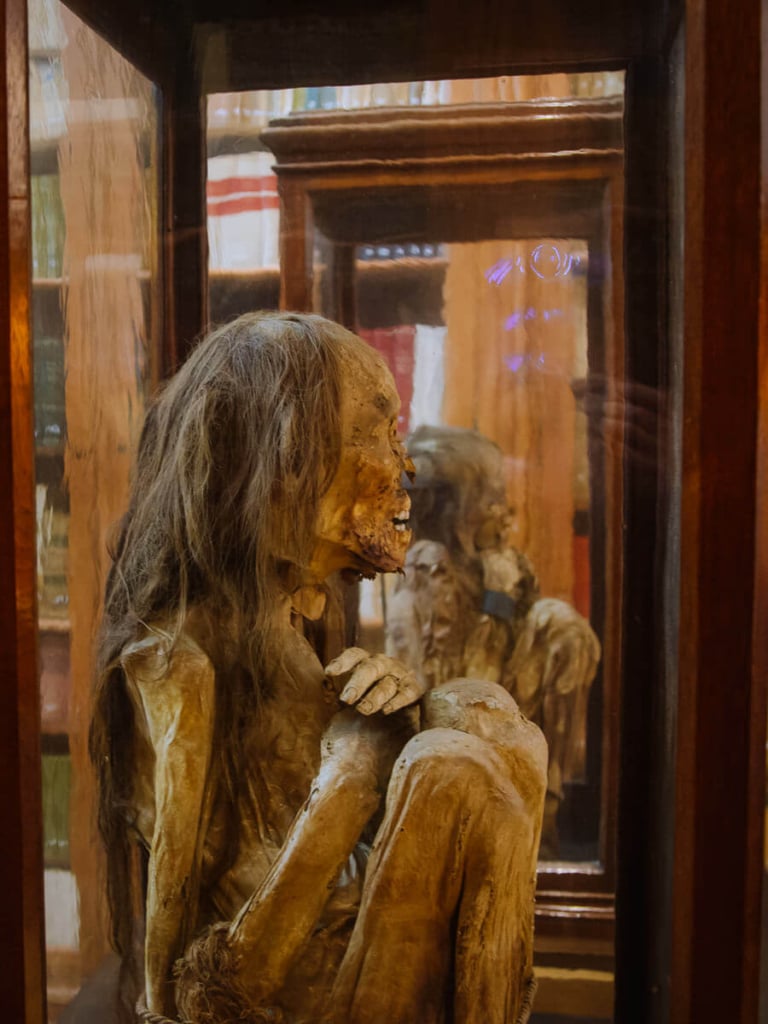
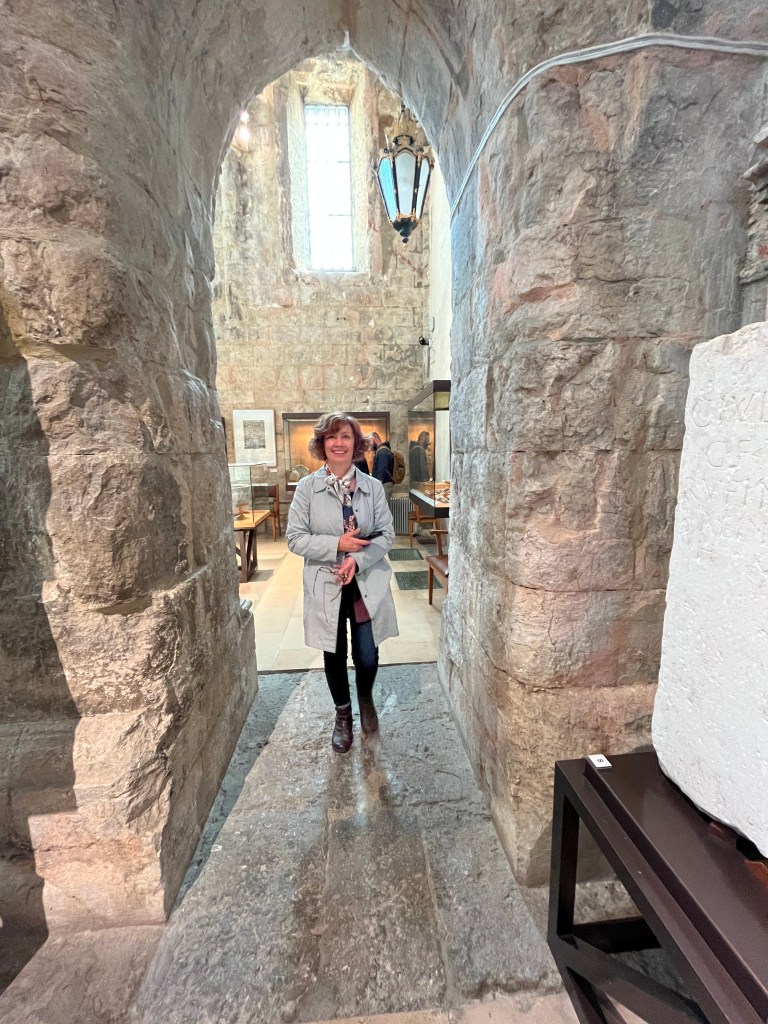
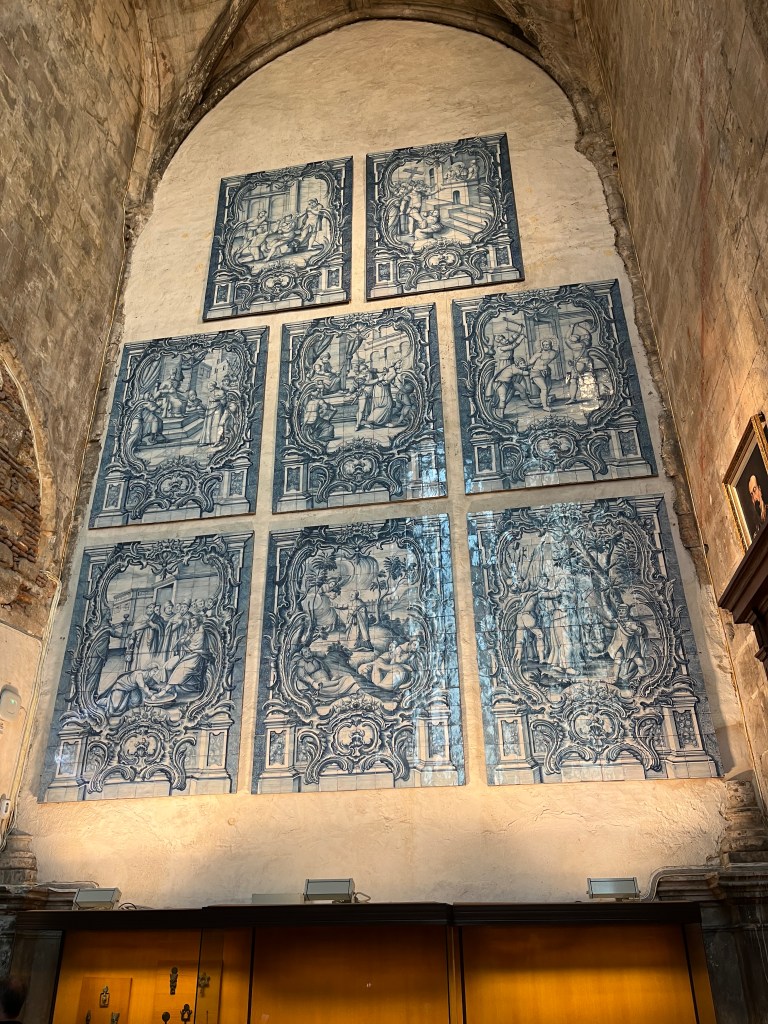
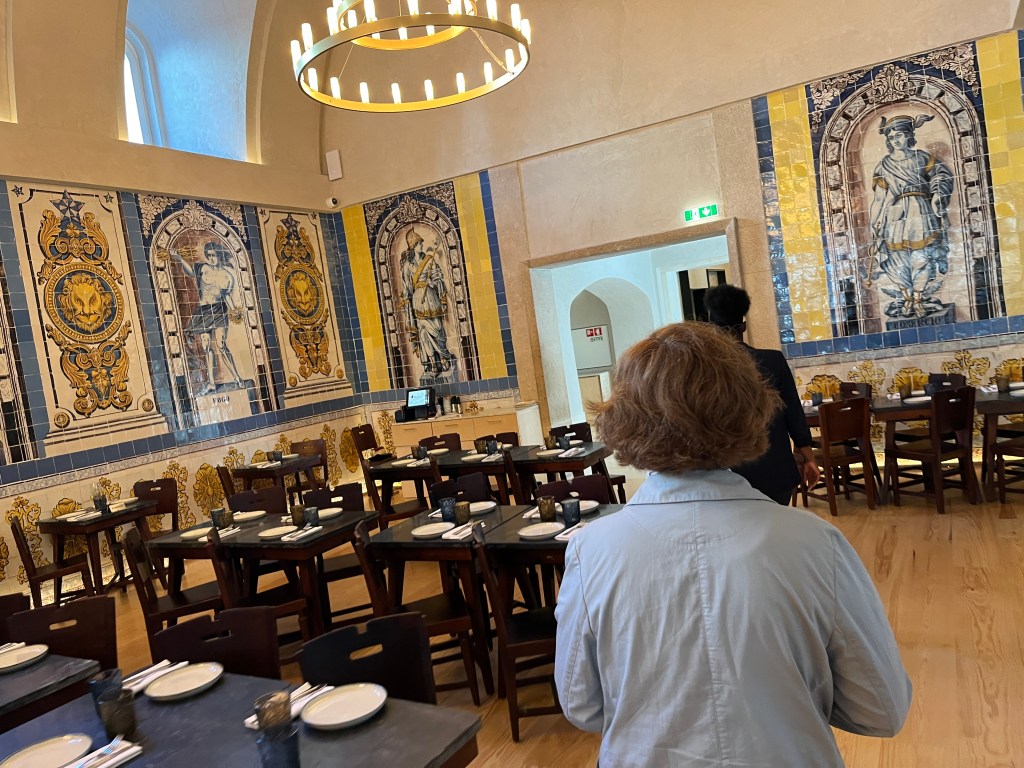
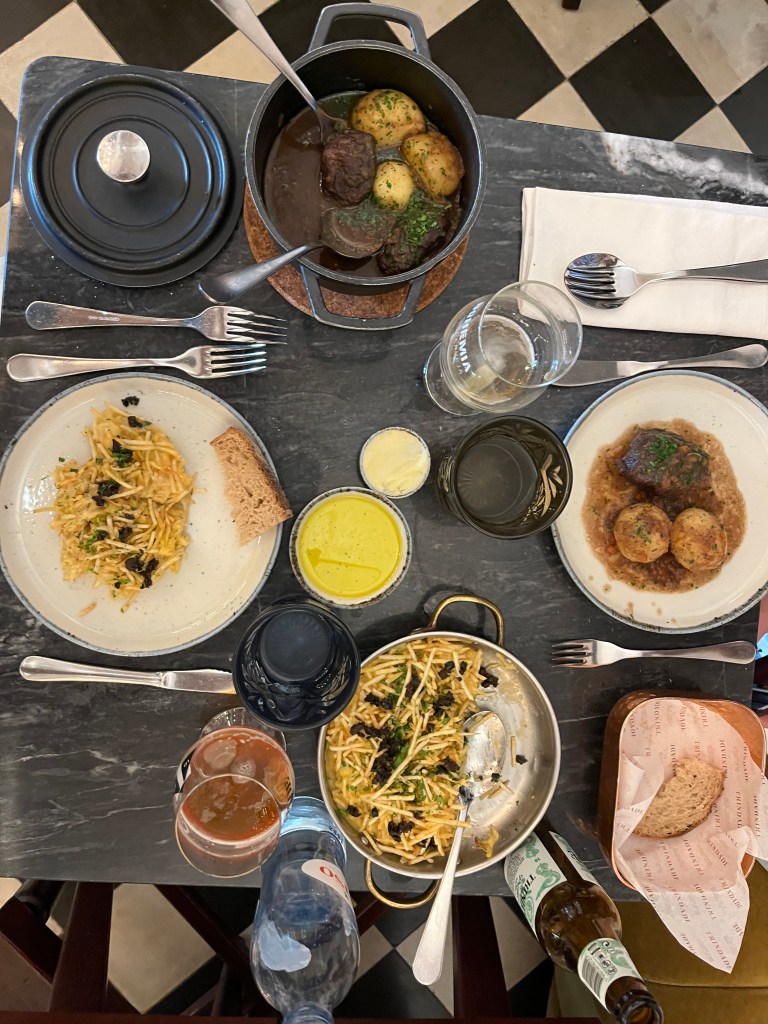
Contemplating all those dead people really works up an appetite. A short stroll later, we take lunch at the elegant Trinidade, a recommendation from our man-about-town, Antonio. Our savory fare consists of the nationally ubiquitous Bacalhau a Bras (Salt Cod, Potatoes & Eggs), Iberian Pork Cheek, and a pureed vegetable soup with a type of wheatgrass condiment applied to the top. Outstanding! (though the Cod is a bit fishy for milady).
Vellas Loreto
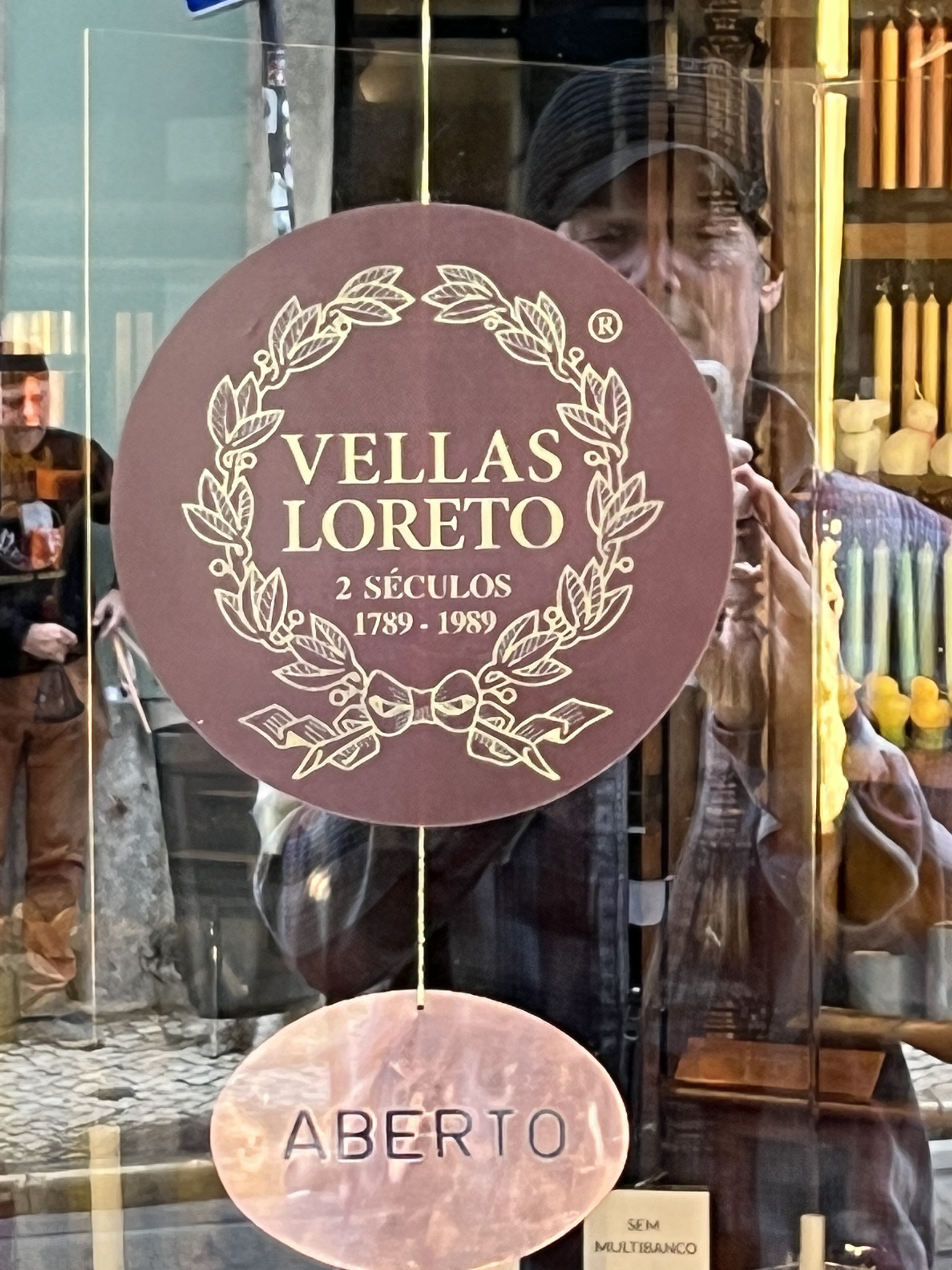
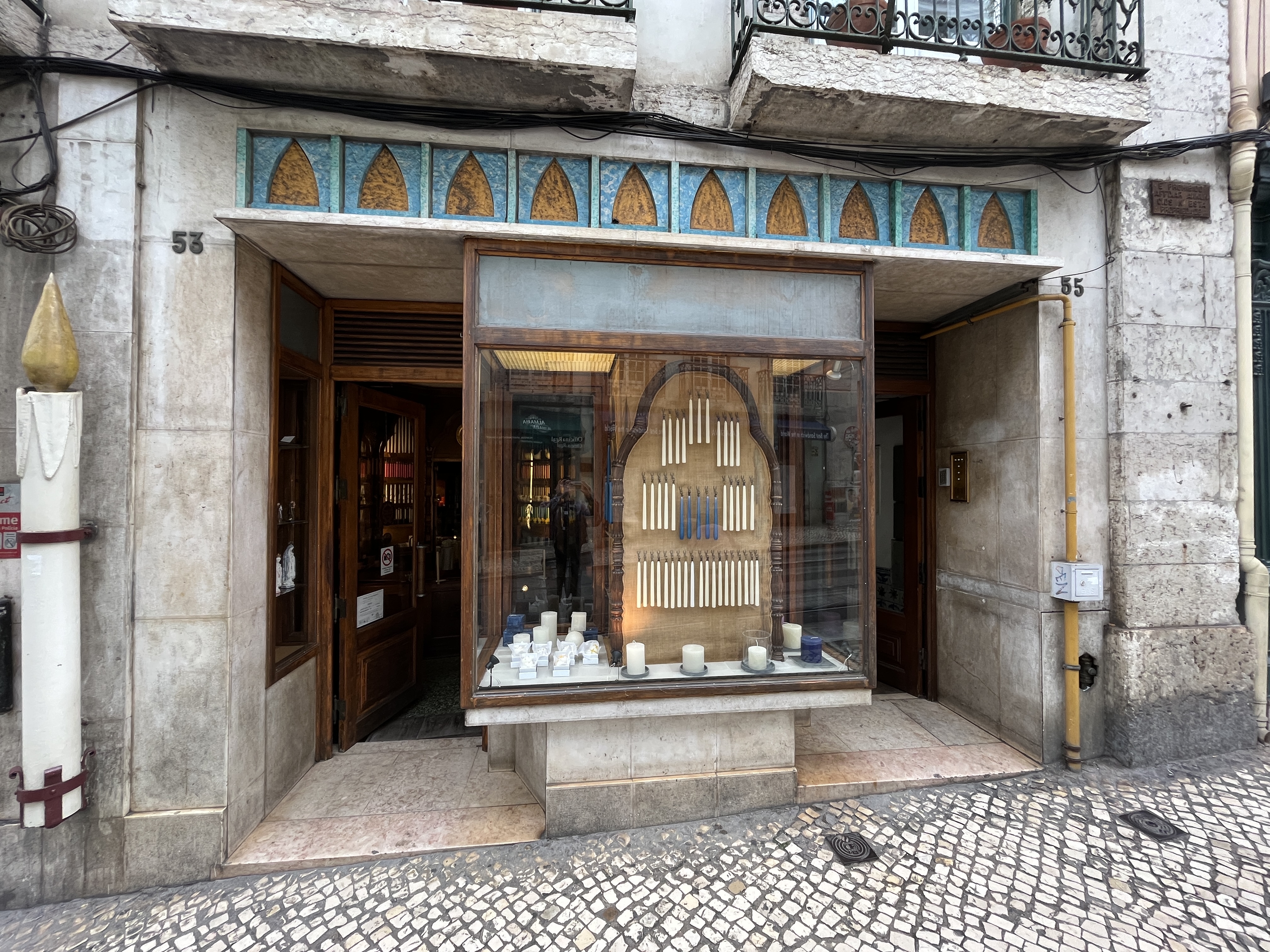
Bellies full, we wend our way down the twisty streets to Vellas Loreto, the world’s oldest candle shop, est. 1789, where they make honey candles with the same recipe they’ve used for the past 250 years.
We had noticed a massage place just outside our door and upon poking in, we learn they have time to take us – so it’s off to a 45-minute couples sports massage. Holy hands of Hercules, the tiny woman who worked me over had such strength!
Out on the town (just a couple blocks from our crib) we start to hear live music. We know a stage was getting set up during the day, but don’t know what for.
The unexpected wonderful thing that happened
So, I’d been itching to experience Fado, a type of folk music the Portuguese have been making since forever. Fado is the expression of saudade, which is one of the first words you’ll learn if you want to understand the culture. It is an art form, a powerful lament of sadness and longing, belted out through emotional singing and usually accompanied by guitar. It’s VERY Portuguese. You can find it all over the country in little taverns and restaurants.
It turns out that this night, unbeknownst to us, one of the country’s preeminent Fado singers, Carminho, is giving a free concert literally outside our door. What a surprise! Within a short time, the streets are packed with people and Chiado district is flooded with the intensity of an amazing woman bearing her beautiful, raw soul.

 The Itinerant Three TnTs
What a cool bookstore, and the Art Deco is gorgeous. The weather looks cool, and hopefully you’ll sleep well tonight.
LikeLike