We’re scooting sideways across Portugal to the western tip of the Alentejo, skipping through country highways, one-horse towns, and long expanses of the deliciously toothsome terrain which owns this region.
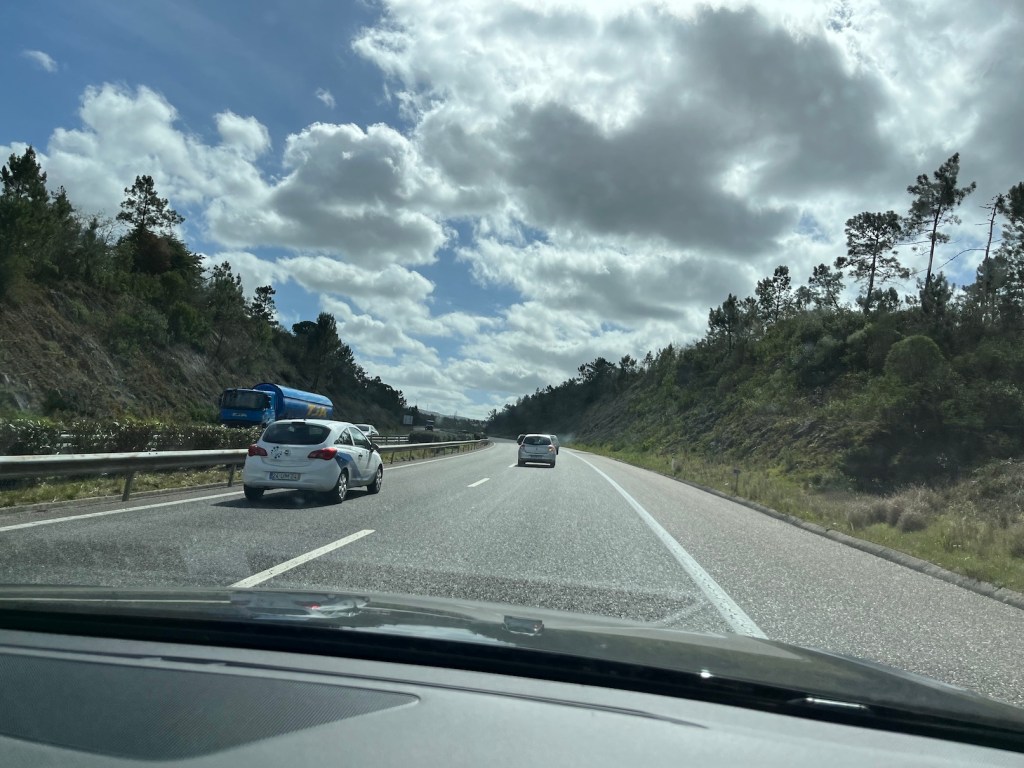
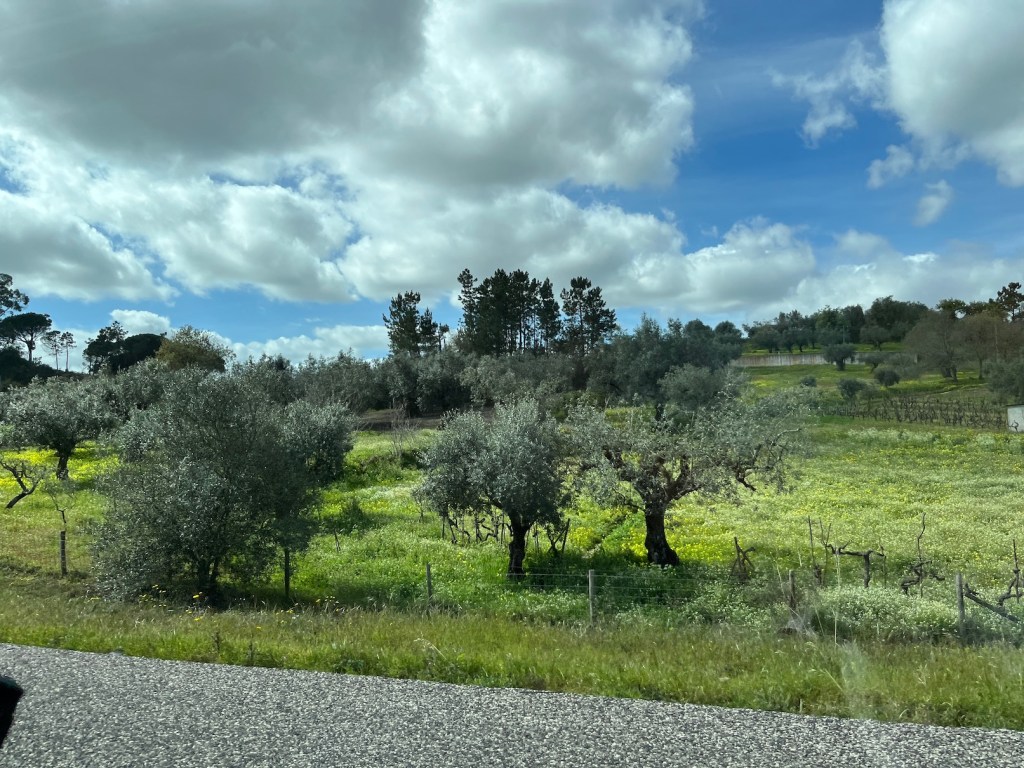
It’s not yet April and these plains are already gettin’ toasty, the grassy grounds ready to shed their spring greens for shimmering golds. So many secrets swallowed up in that verdant desert – black pigs and bucolic breadbaskets, woodlands of cork and pine nuts, abundant orchards and vast vineyards, and a far country of people made from salt and soil. We’ve barely scratched the surface, but it’s influence on us reminds me of Don Juan and the Yaqui Way of Knowledge – the protagonist being drawn into the Chihuahuan desert through a yearning he can’t identify. Having both been raised in the arid southwest, around scrubby sage, pine and cactus we too feel the connection, though, in truth, we’re ready to meet the ocean again.
Sal Verde
After a while, the occasional towns we pass by become part of the road, something to get through on the way to somewhere else. They’re subtle and unadorned – there’s not much on the surface to glean about it’s people.
We found a door into the heart of this region through a cookbook we purchased in the center of Évora called Sal Verde. Initially, I avoided picking it up. In fact, I avoided the cafe it was found in. Having something else in mind (and so being blind to the potential and opportunities in front of me) I would have missed this most treasured of travel souvenirs. This is Stasias doing, and her general influence on our life. Sometimes I can be like an ant – devoted to getting from A to B. My girl finds a universe of moments in between – like Zeno’s Paradox, there is an infinity of numbers between 1 and 2.
She picks the cafe, and then picks up the cookbook laying near our table. We already have loads of cookbooks and this looks heavy and we’re only allowed 50 pounds per suitcase and a few other objections intrude in my thoughts and on an otherwise lovely moment. My head is like that packed suitcase – with something already in mind, there’s no room for anything else.
She’s reading it and getting excited so I drop this unwelcome naysaying and take a gander. The translated title immediately draws me in – Green Salt. It’s not just a cookbook. The first dozen pages are surprisingly philosophical, taking the reader deep into the people of this region, the simple ways of the Alentejo, the idea of building meals from a single herb – and the wider view – the respect for nature and the consciousness of its bounty. It’s a love letter to the earth and to us.
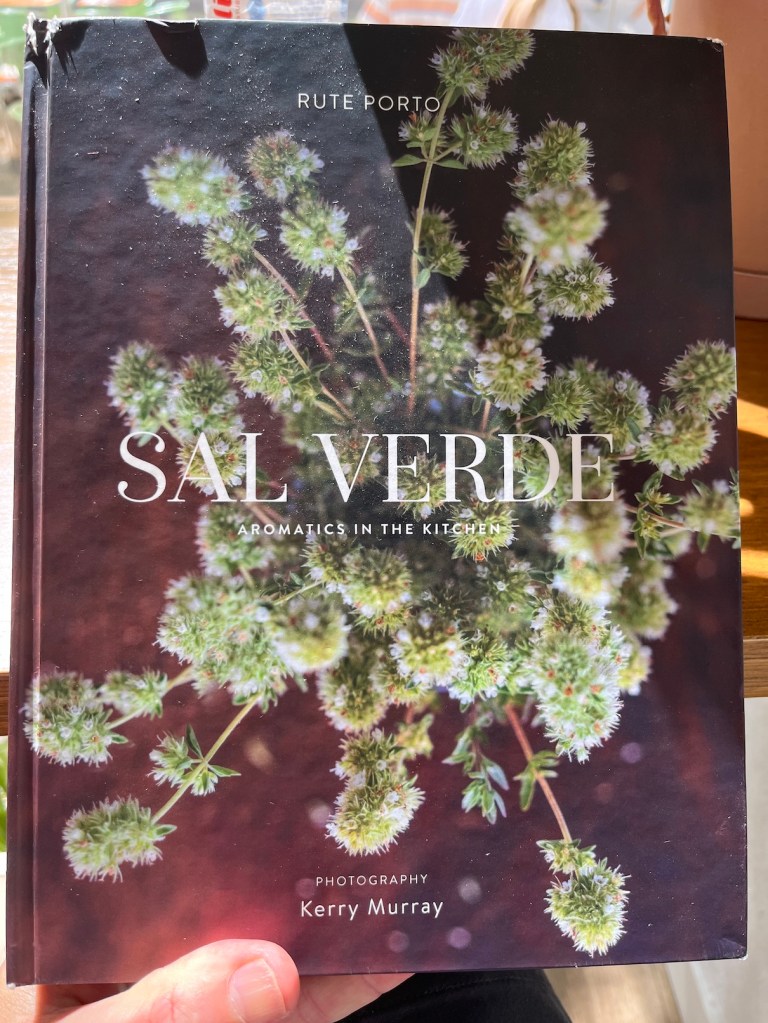
Damn the tonnage, we’ll take a copy please, and Stasia says make it the Portuguese version! It will be fun translating these meaningful treatises and delicious recipes. We’ve read a few translated poems – like Beowulf and Sir Gawain and the Green Night – and love the way the original prose is reworked and reimagined through the author’s lens.
A Touch of New Mexico
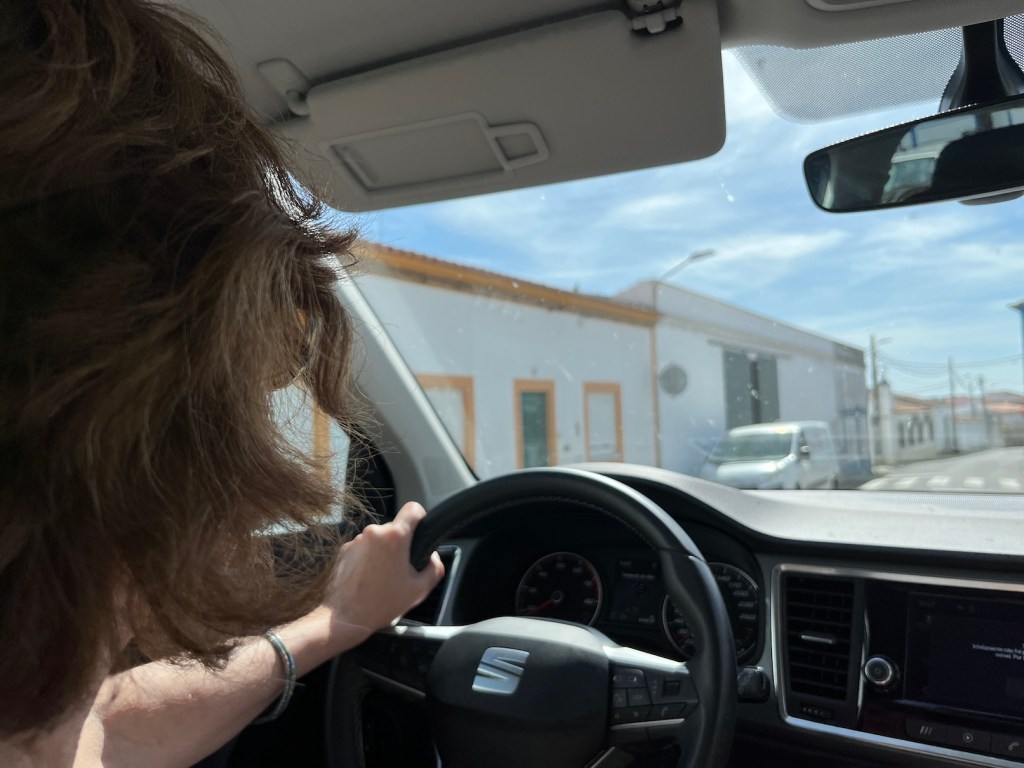
Still on the highway. Little pokey pueblos provide some texture and a peek into the local life, though it’s that mid-day void when nothing is open and no one is out. We pass a woman leaning out her kitchen window and chatting with a passing neighbor, both eyeing us as we drive by, which triggers Stasia to say this reminds her of parts of New Mexico.
As green and leafy the land around the town is, there’s not much of that leafy life inside – mostly plaster, stone, and milled wood. No trees, no front yards, just huddled, squared-out white blocks with terracotta roofs; rows of houses on each side glued together by the main road. And so it goes. Each town we drift through is a carbon copy of the last and we’ve gotten a wee bit concerned that our destination will be just as dusty.
But the topography hears us and answers – a switchback up a rise leads to a vista revealing an approaching body of water, and a line of stork poles marks our entry into the Santa Susana district of Alcácer do Sal.
Alcácer do Sal
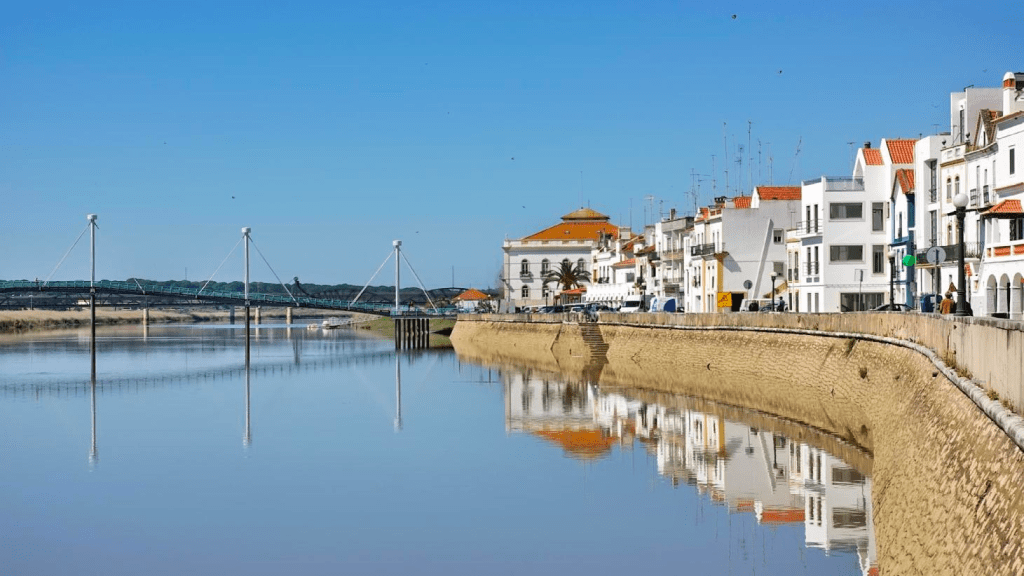
Our destination, which literally translates to Salt Fortress, is a tiny outpost off Rio Sado (an Atlantic inlet) about an hour SXSE of Lisboa. We’ve only booked 2 nights here which is really barely enough time to stop and catch your breath.
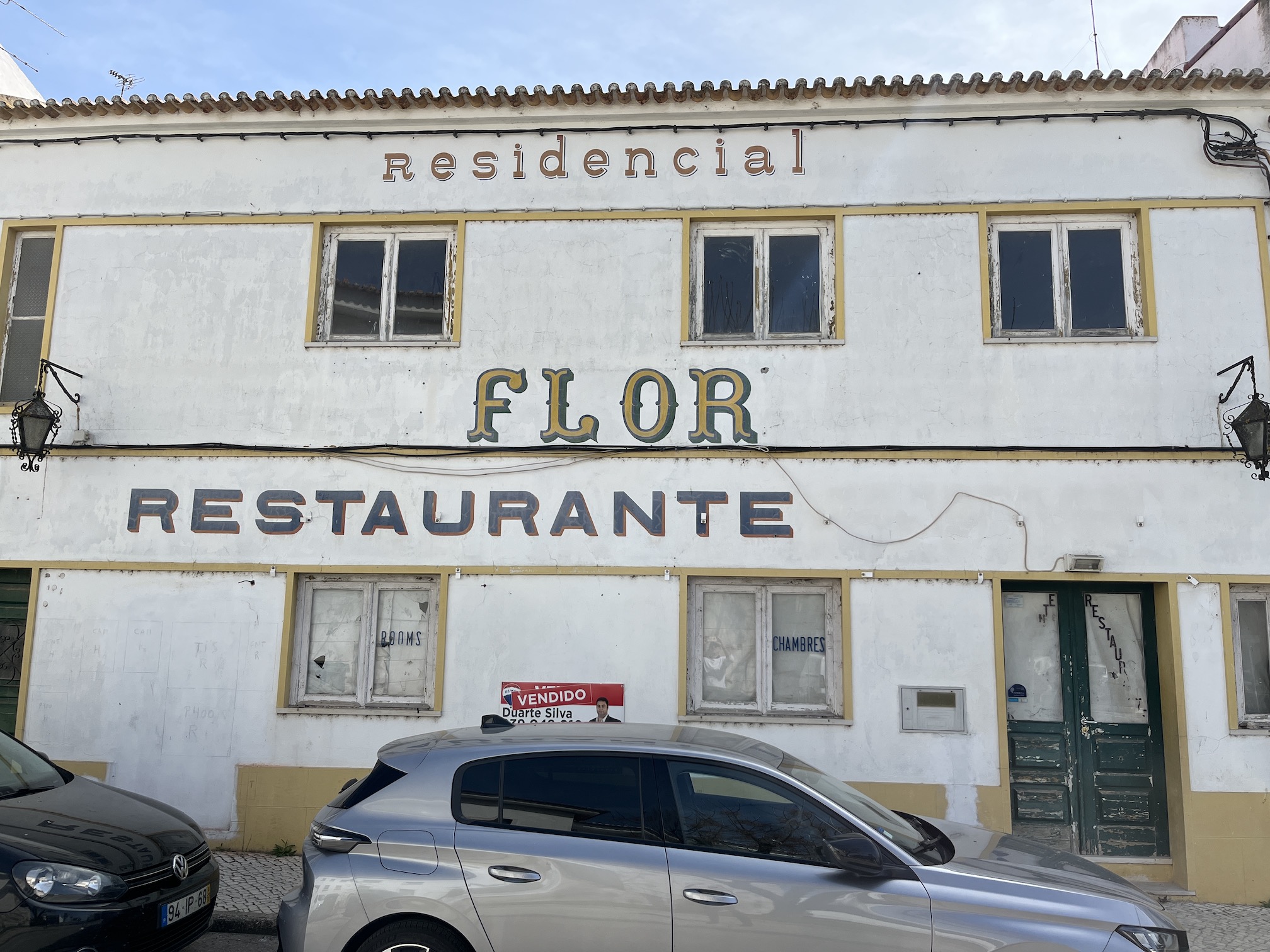
Our entrance dispels any preconceptions we may have had – this is a really cute salt-scrubbed sea town! The tiny, packed population covers a hill from waterfront to the castle at the top. The city is old, as the crumbling facades and wandering cobblestones attest, but there’s development happening all around – definitely an upcoming destination if it isn’t already. I’ve heard the summers are pretty crowded.
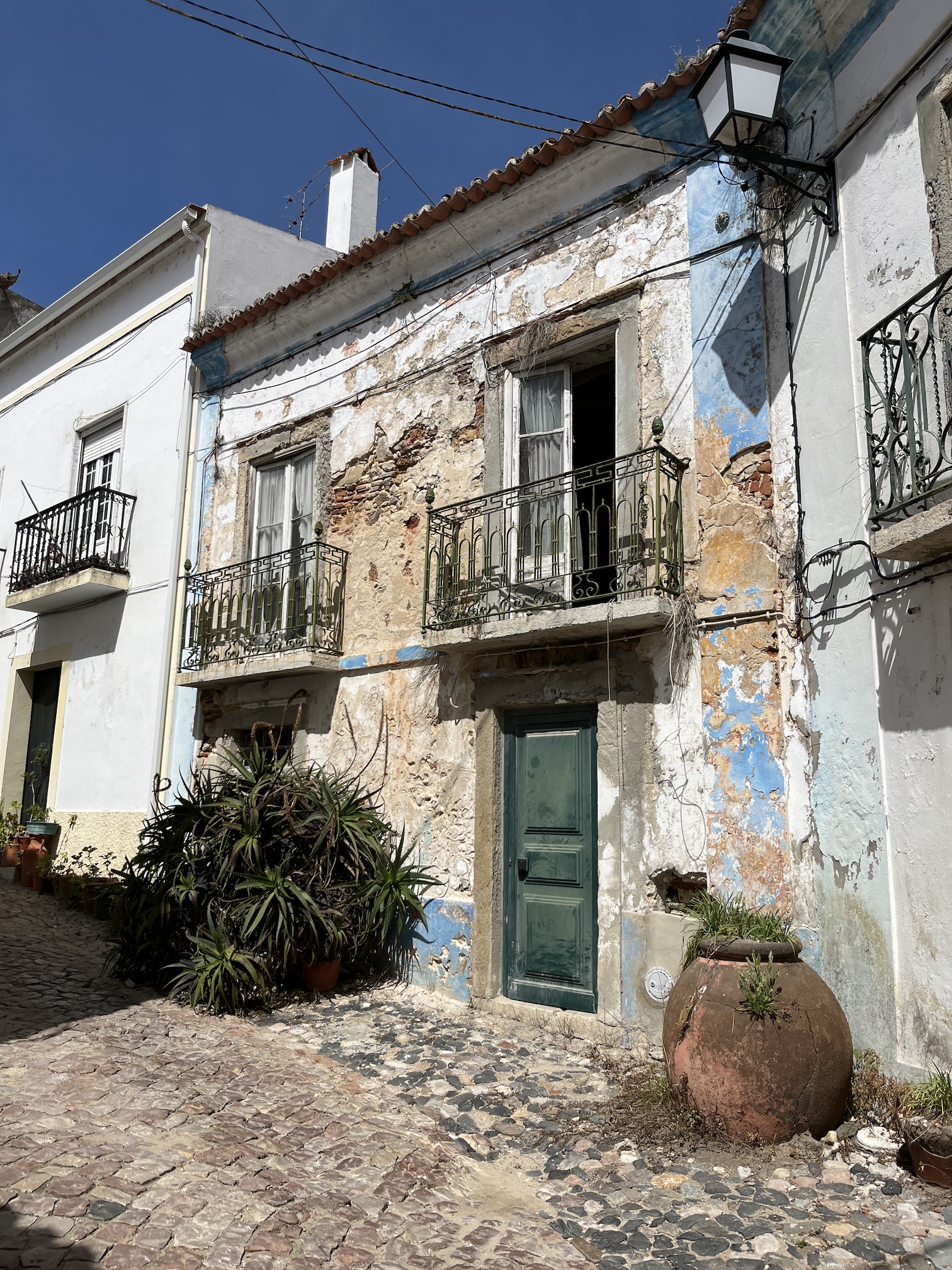
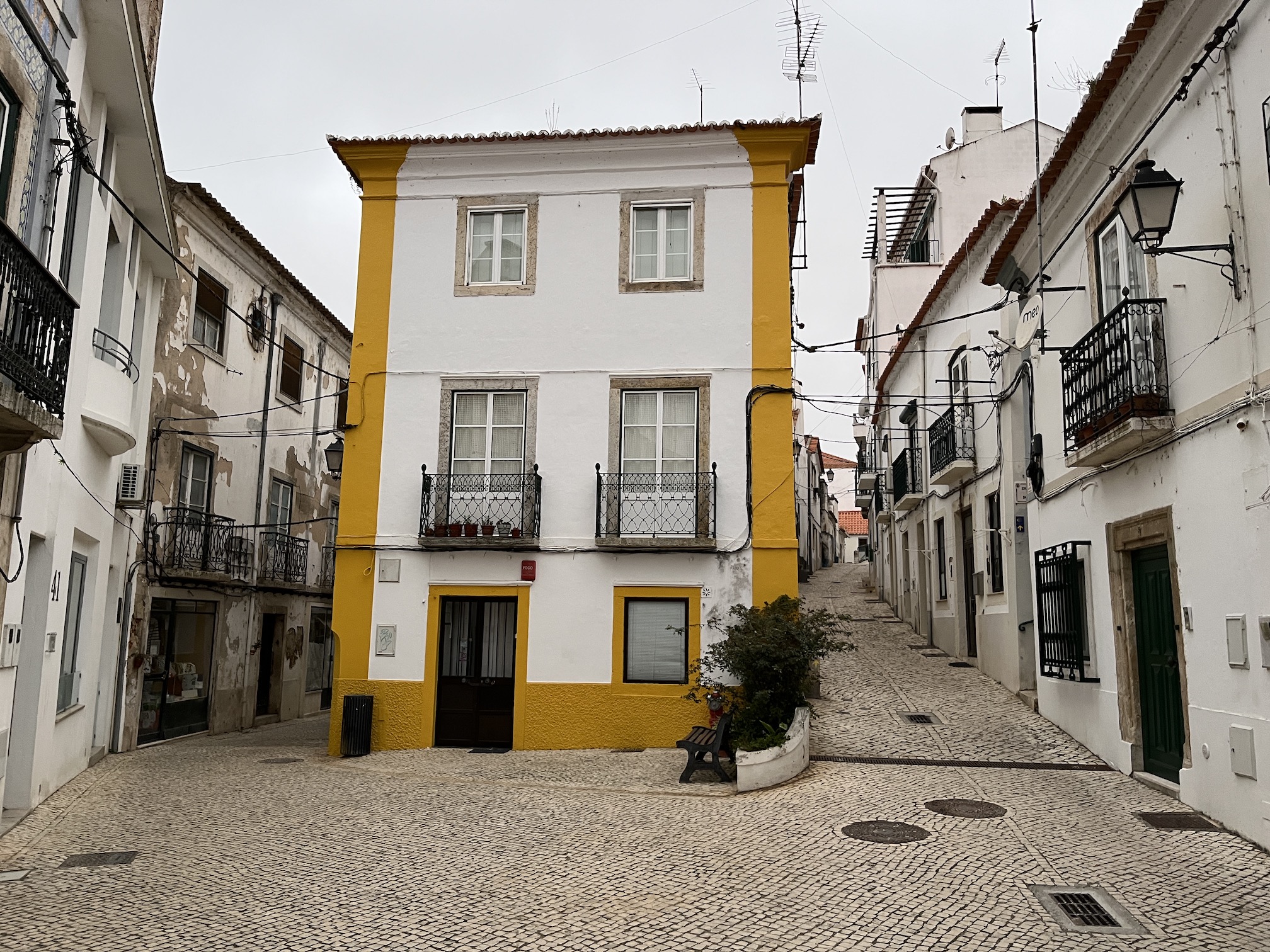

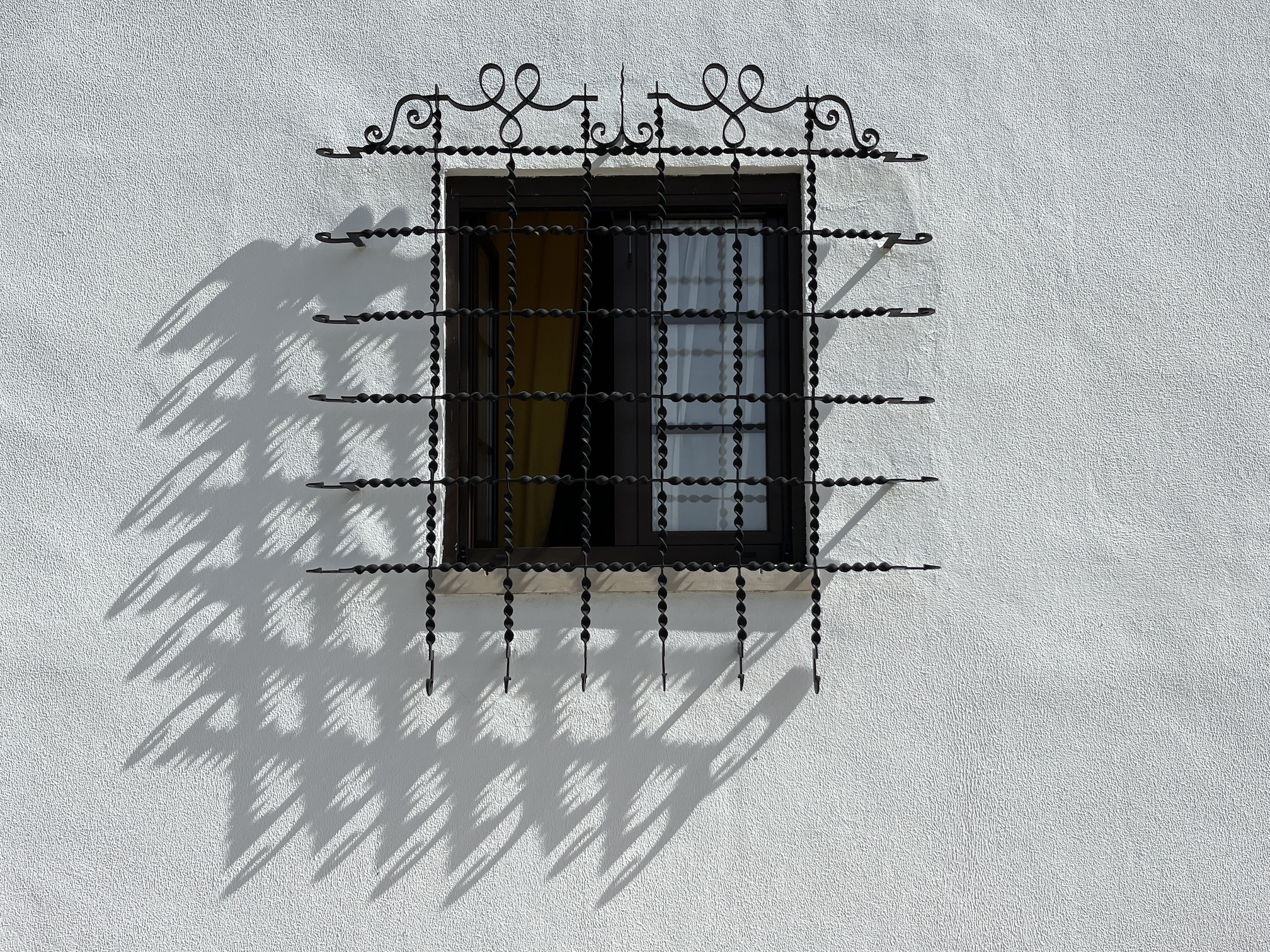
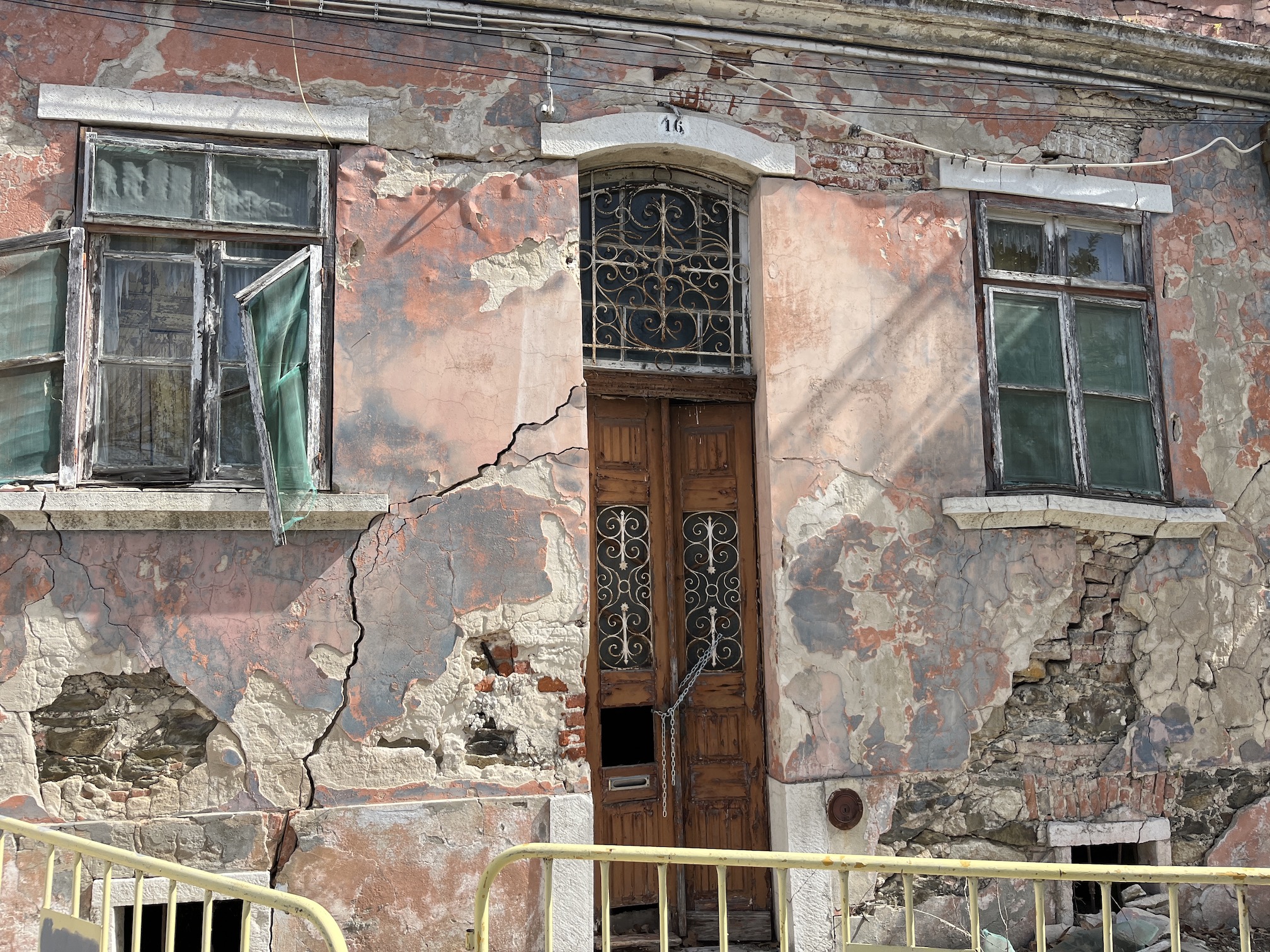
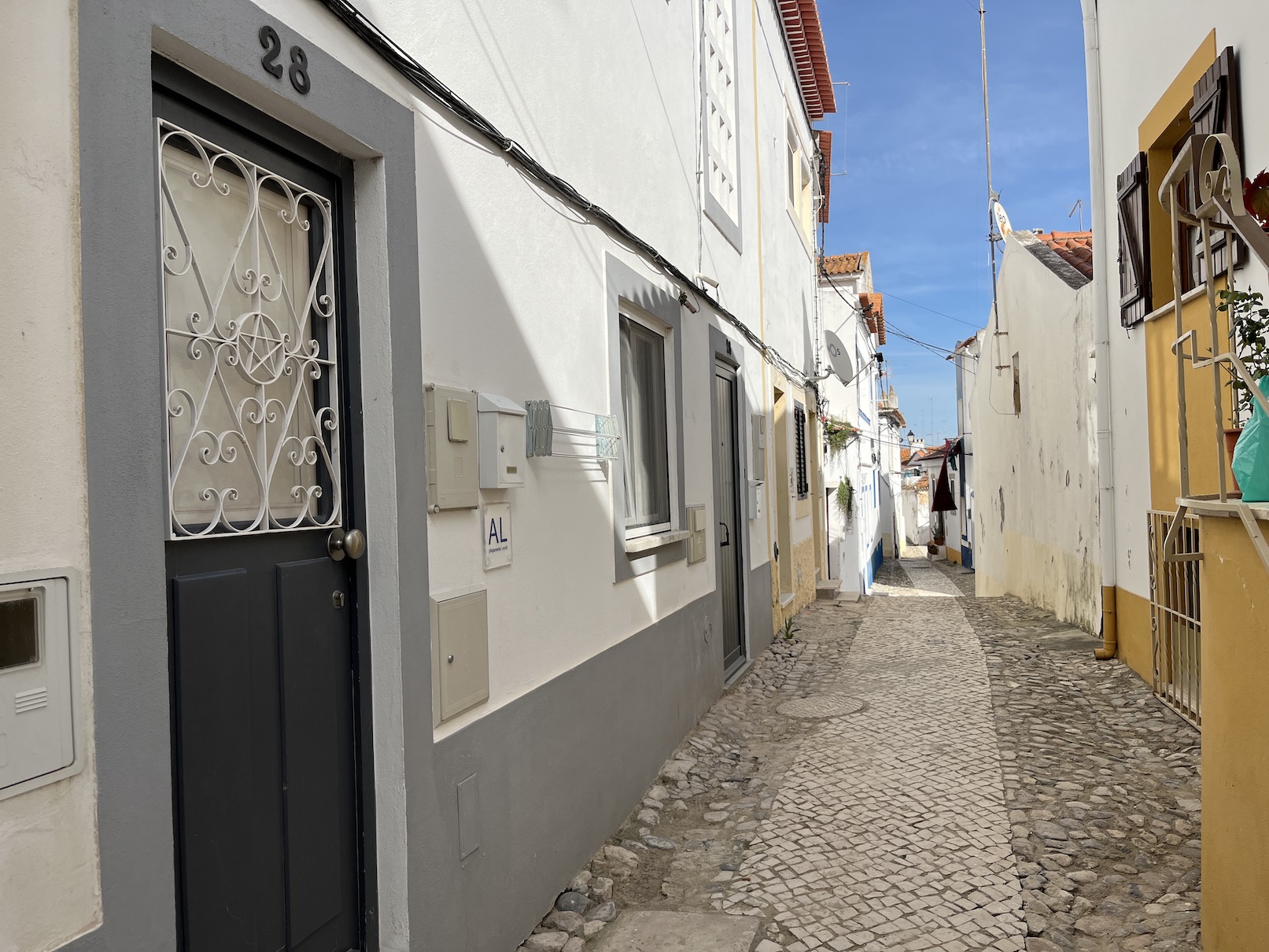
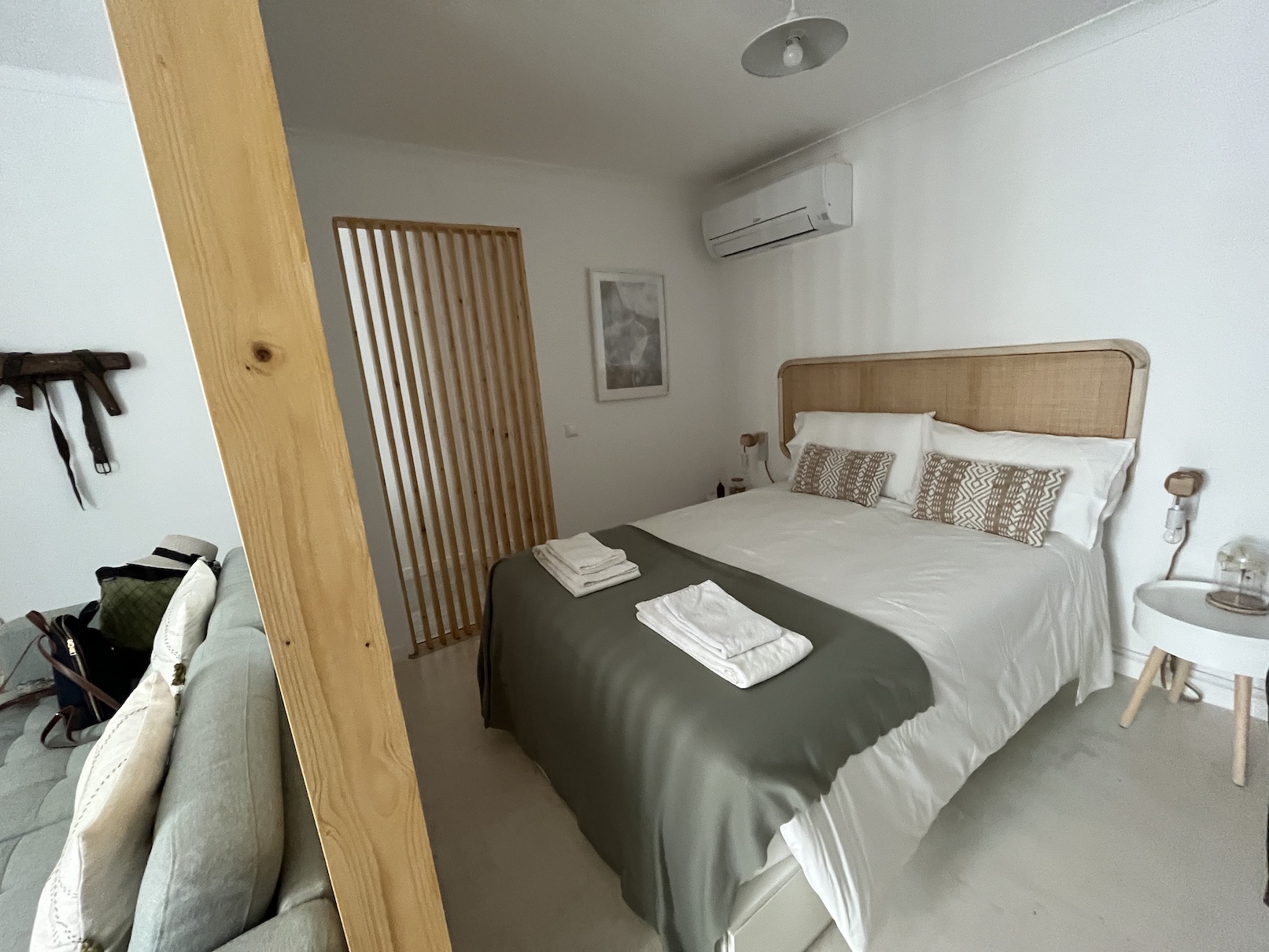
We meet our host Gonçalo who walks us up the steep hill to our apartment. As historic the outside, so is its interior the opposite. We walk into a clean, smart, modern living quarter with all the comforts and amenities packed into a single-windowed one-bedroom.
It even has an office which will prove very useful for the slate of meetings later today. Gonçalo has also left some basic foodstuffs and coffee for us, along with a bottle of vinho tinto from a local producer. That is such a nice touch! His warm, welcoming introduction and a comfy sofa find us kicking off the shoes and relaxing with glasses of the delicous red.

We’ve had a huge day of sun and windy roads – we’re ready to kick it for the night. For dinner, I drop into Brisa do Rio, a pizza place Gonçalo recommended, and pick up a pie to go. It’s simple but yummy – thin crust, white sauce, and slices of black pork with pops of goat cheese. There’s a salty insouciance about it which just soaks up the wine.
While waiting for the pizza to be made, I take a 10-minute stroll. It’s nearing sunset and I’m in time to catch the glimmer of a low sun over a sleepy waterfront.
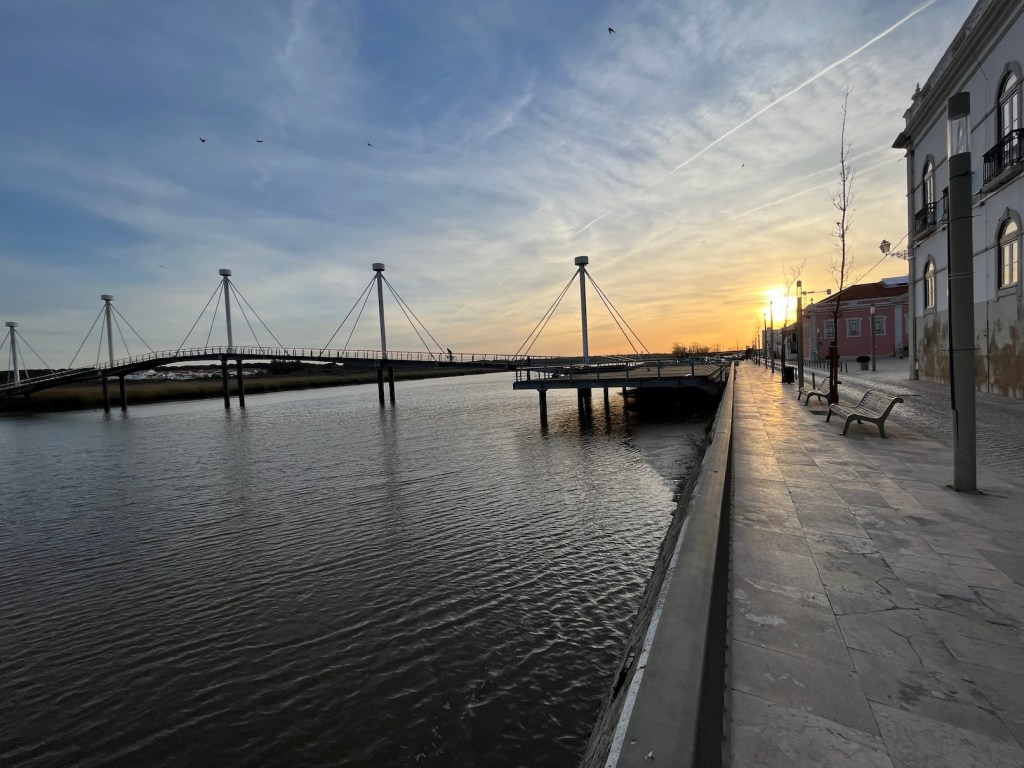
There’s a walking bridge here, but I’ll save that for later. I accidentally forgot my hat and the sea breeze will show the world my massive bald spot. It’s funny, I am very thinned out on the top, but have enough on the side to affect a convincing coverup… a secret only revealed by wind. And a terrible secret it is since a passing breeze can really make me look ridiculous :). The vanity we hold onto to maintain a self-image that no one else really cares about…
Always Order the Regional Favorite
On the next day, Stasia and I tour the town with a slow stroll, keeping an eye out for an optician to fix her glasses, a market to get some basics and a cafe for a bite to eat. Every so often, we catch a whiff of swampy air about the place (low tide maybe?) but it doesn’t put us off.
It’s going to be a half hour until restaurants open for lunch so when we see a tented patio cafe with a couple older folks reading the paper and having an early afternoon cerveja, we decide to pull in and wait in the shade, do as the locals do. We get engrossed in a conversation about linguistics, coming up with a new maxim.
“There are two kinds of people in the world, tounge-flappers and glottal-stoppers.”
John & Stasia
Suddenly it’s time for the main event. With Obrigados and Tchau-Tchaus we exit the cafe, mosey on over to the place we’ve chosen for lunch and have a sitdown.
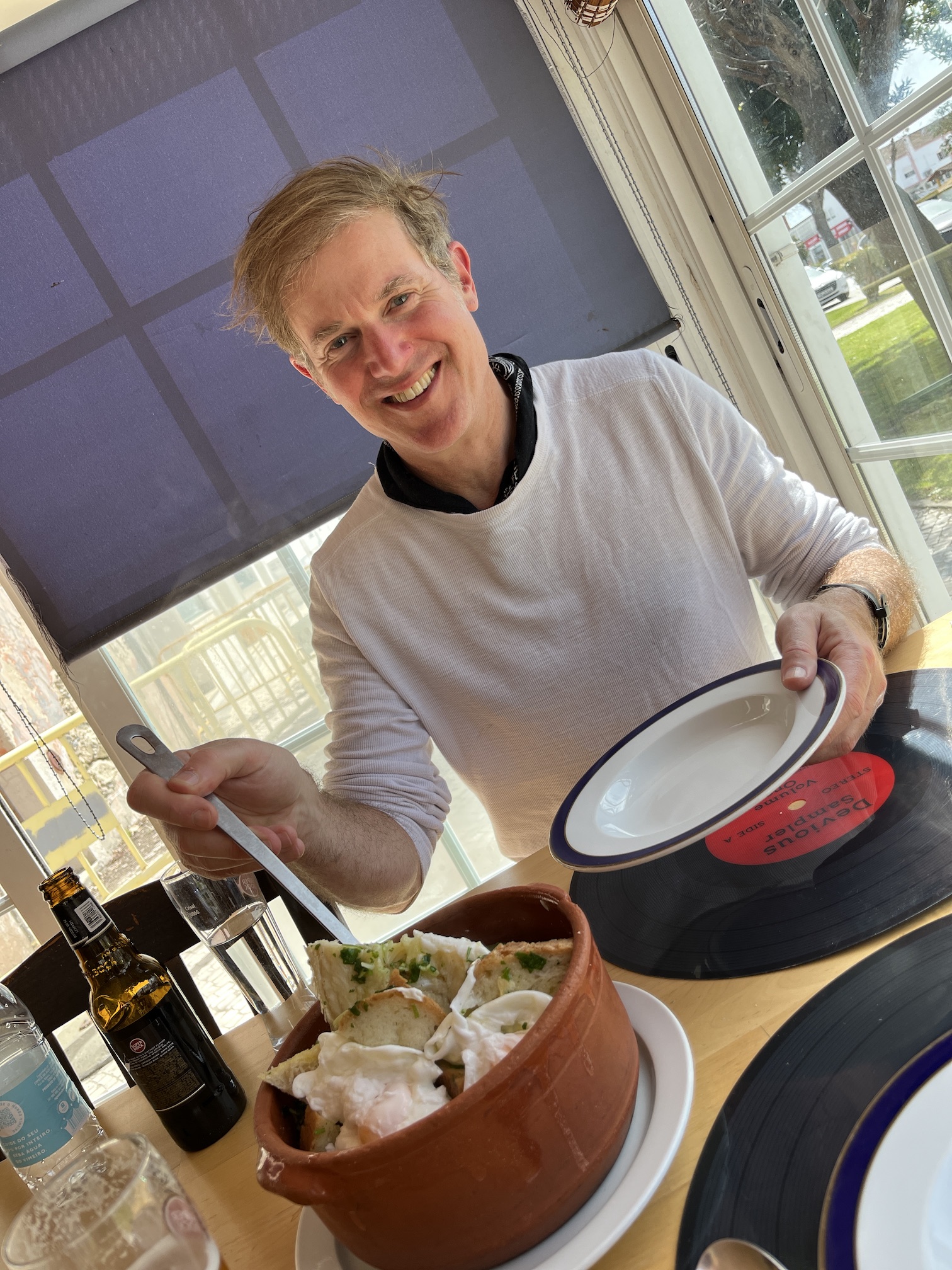
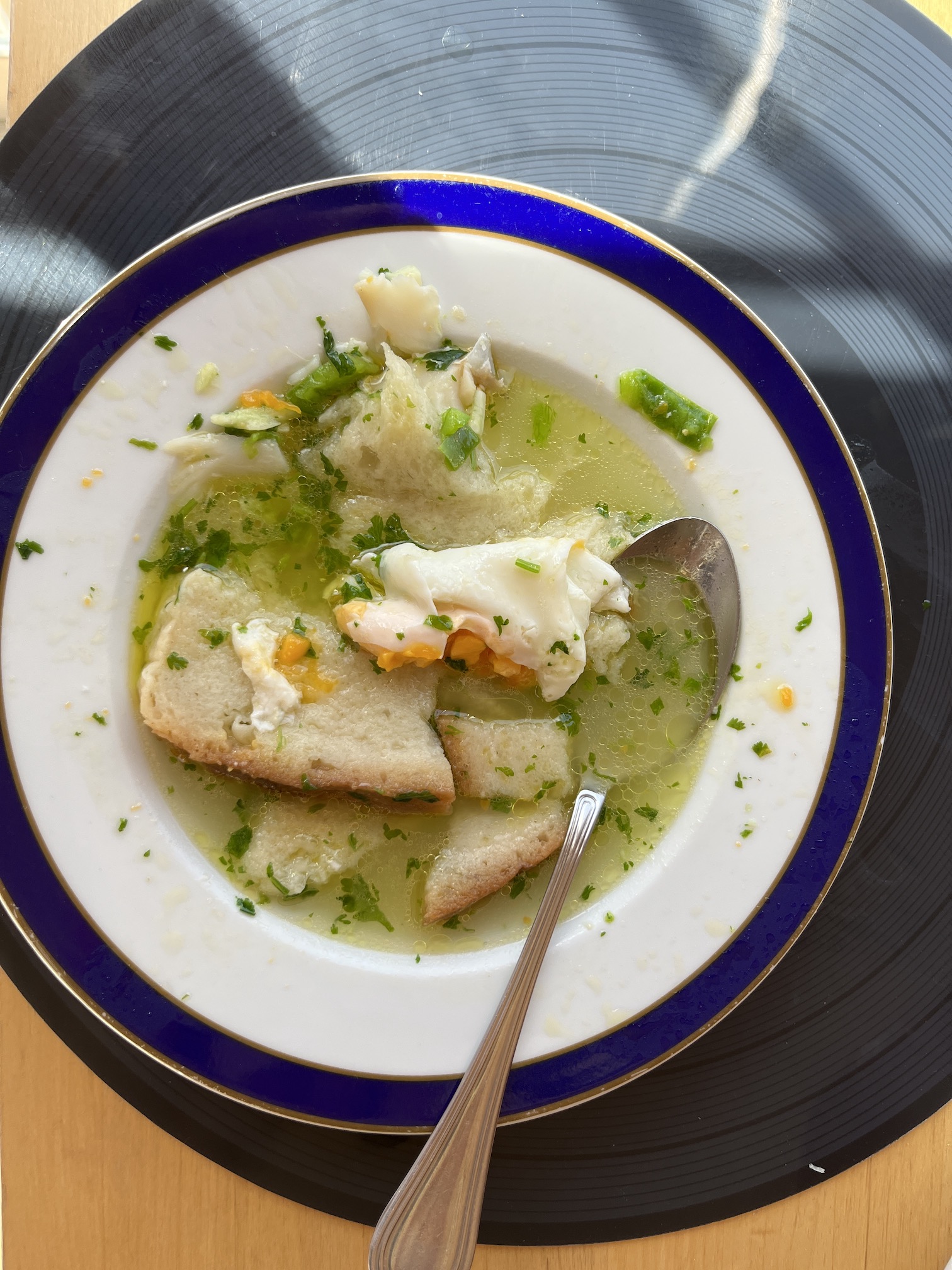
On the menu, we see a dish that was on a ‘regional favorites’ list in some earlier research: Açorda à Atelejana. We have no idea what it is but we must try it. Anticipation builds – I live for this kind of thing… I haven’t been so excited to eat since black pig lizards! Our waiter Hugo brings out a large pot of soup, attractively colored from the chopped cilantro, inviting little globules of olive oil speckling the surface, big chunks of torn bread and rock cod submerged underneath – and like many of the other dishes we’ve had, it’s crowned with a couple of fried eggs.
Stasia and I pour ourselves into bowl after bowl. It is heavenly and in my happy reverie I recall Willy Wonka’s classic line, “Did you hear about the boy who got everything he wanted? He lived happily ever after”.
A Pile of Rocks
Directly above us via a 10-minute hike is the castle upon which the city’s namesake is derived. It’s impressive from below, the long wall standing strong with a few intact crenelated battlements. That is about it though as we learn upon cresting the top. Still, beautiful wide views reveal the wandering inlet, farmlands, and little villas. There is an archeology museum up here and Gonçalo mentioned an ancient Roman city lies within. Sounds promising!

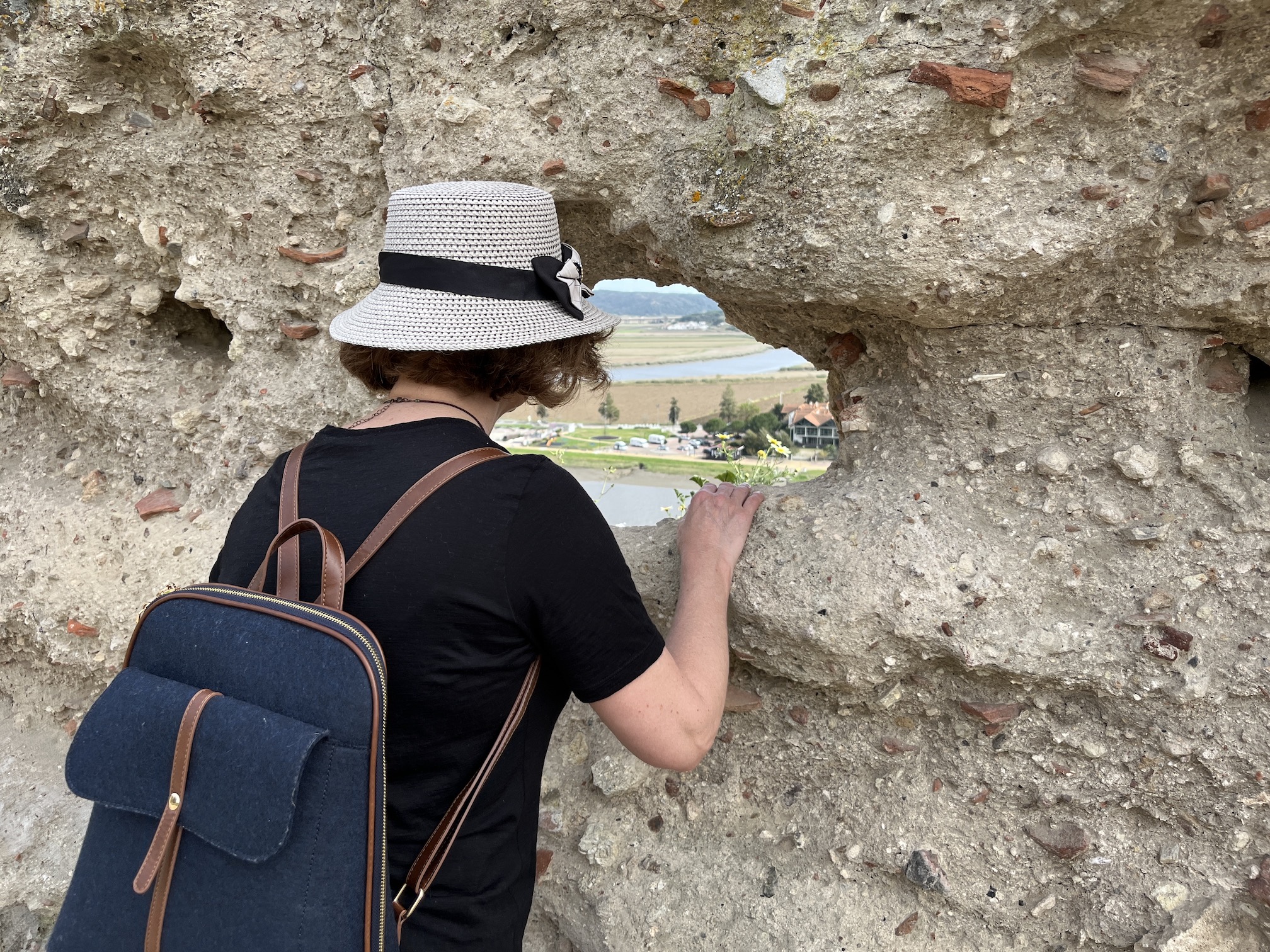
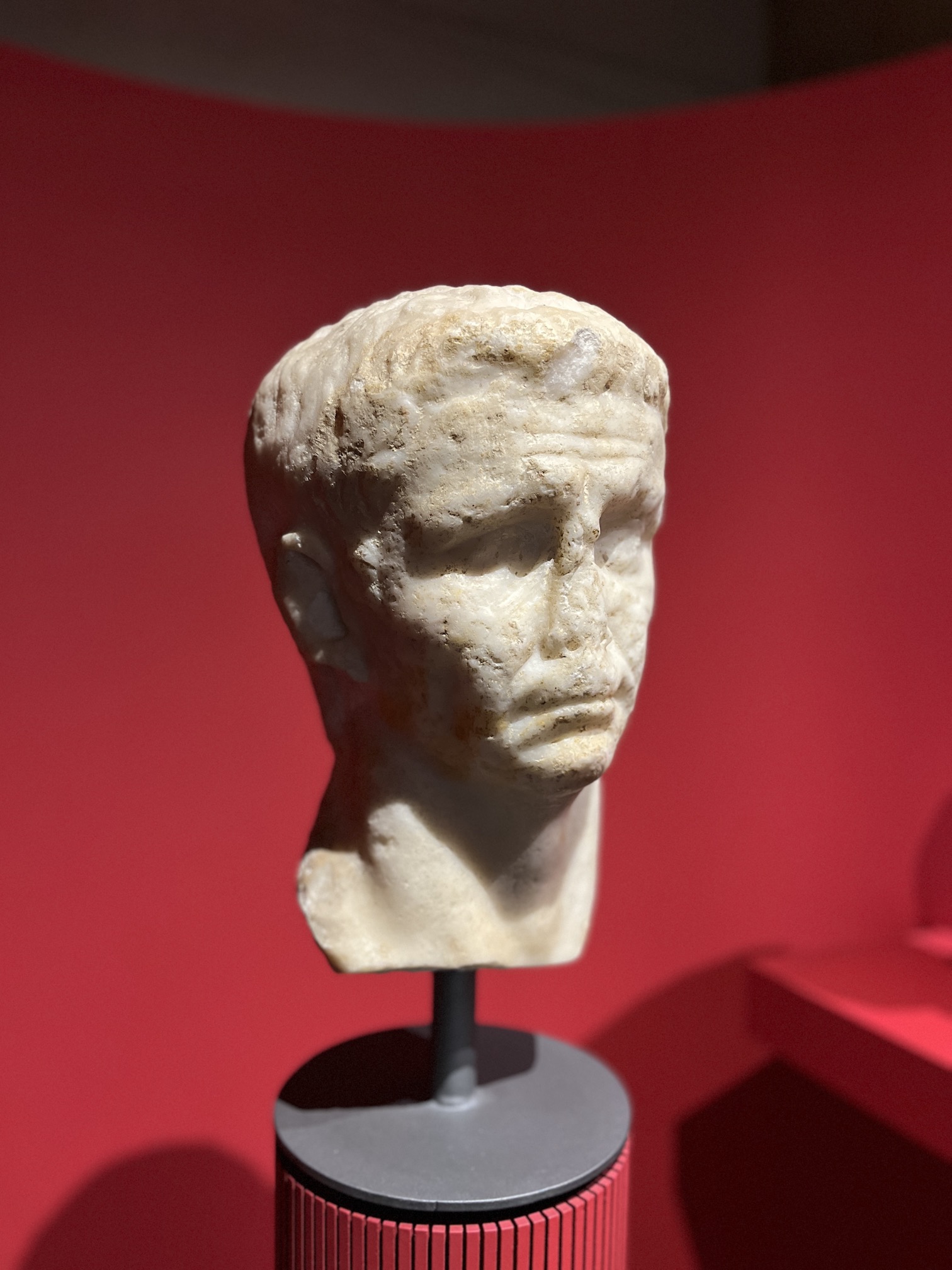
Though we both love history, there’s only so much one can enjoy piles of rocks and rubble that long ago used to be something. It’s a whole different experience if you’ve done a bit of learned research ahead of time, but we’re unprepared. Little placards just don’t provide the same context when exploring prehistoric ruins. Perhaps our favorite peice is the Roman-sculpted cabeça of the Emperor Claudius, 10BC – 54AD. The stylized shape and implied strength of that head is so indicative of that period – one of the golden ages of western civilization.


We enjoy the cool interior of the museum and glean a little information about the site’s historic succession of conquering masters – 7th-century prehistoric hovels buried under iron-age Roman roads squashed under the subsequent Moorish castle floor. I find the ancient coinage pretty interesting – money being the only world religion with global agreement and a universal congregation.
Best Bifana Ever
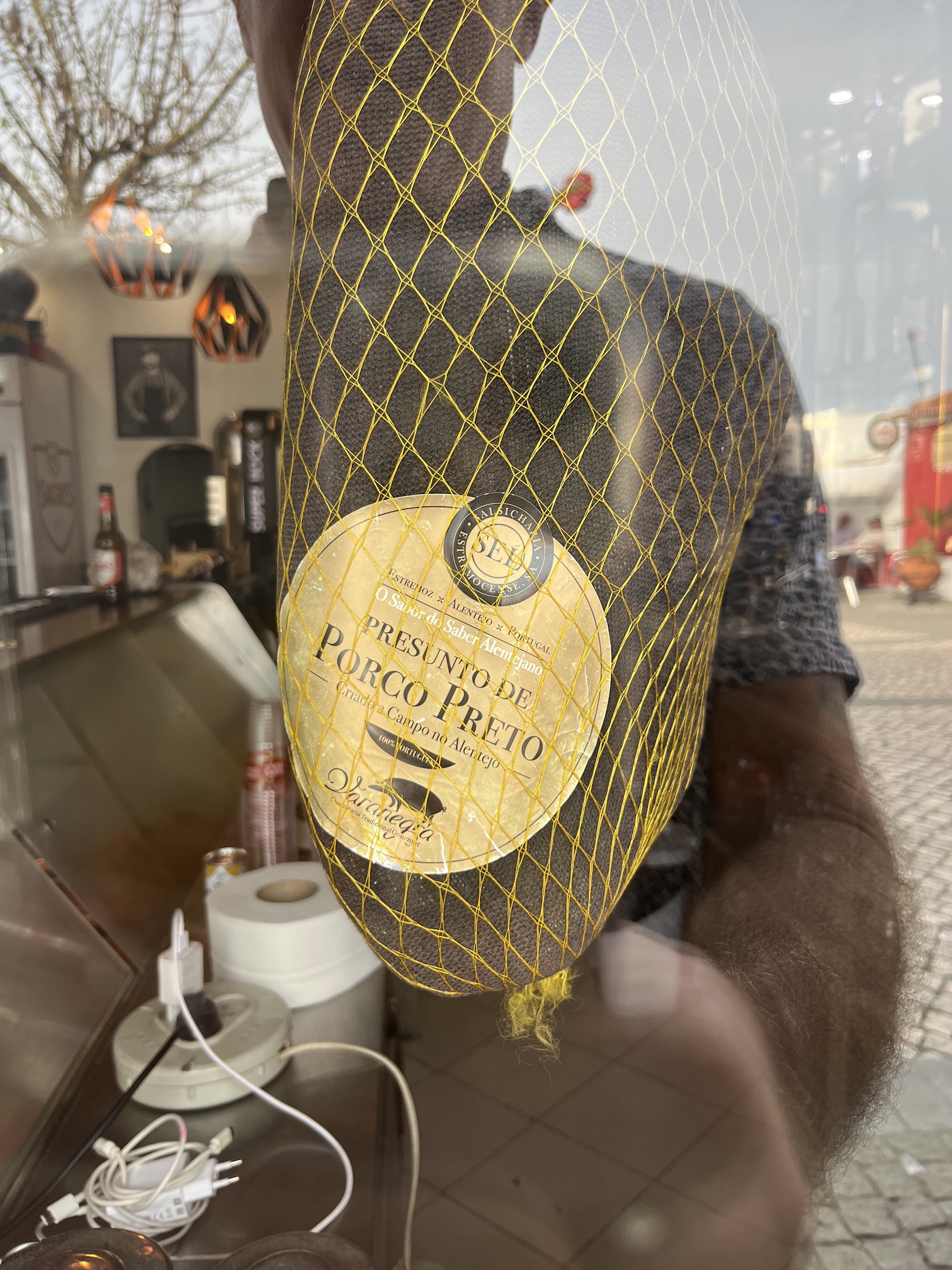
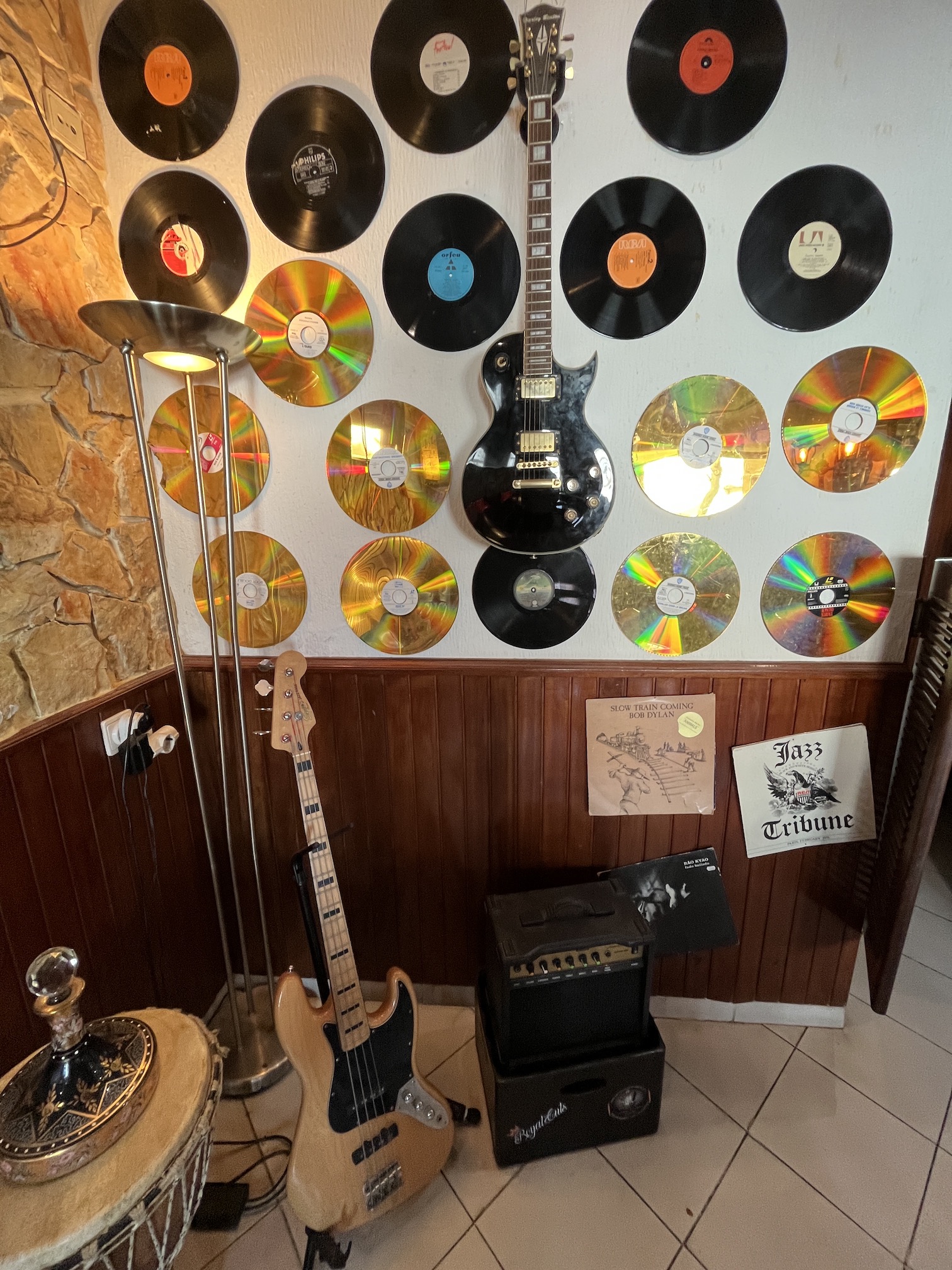
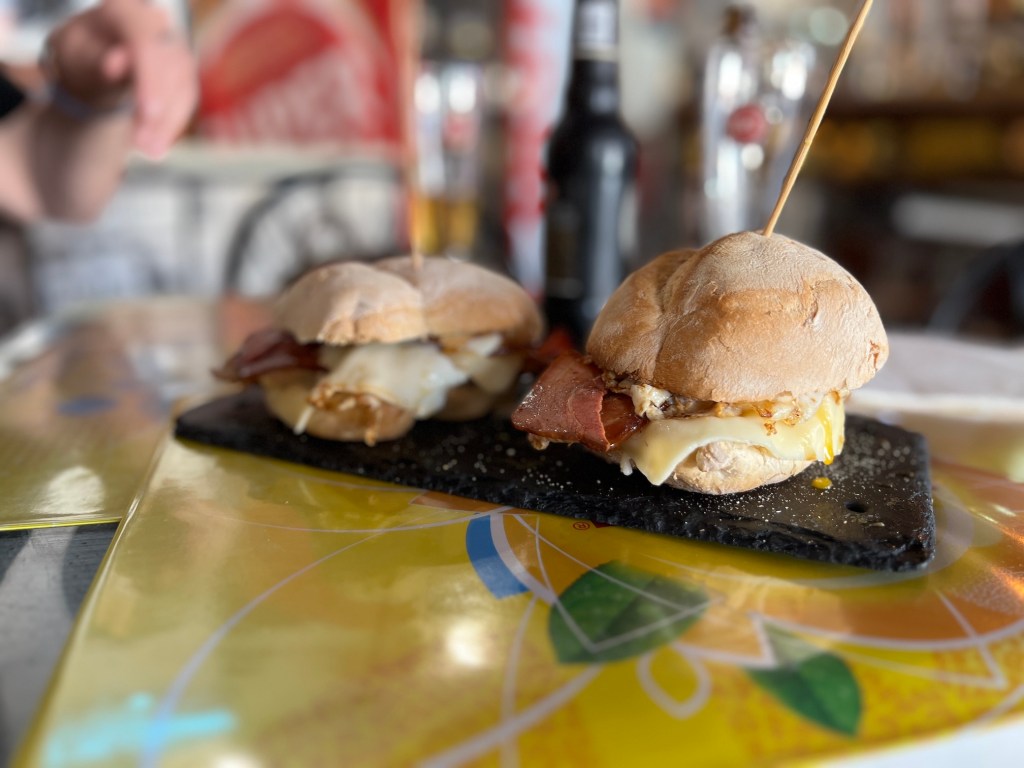
There are a few different choices for lunch in o centro but the one with a big side of cured black pork hanging in the window is the clear choice. It’s a curious place. There’s a hodgepodge of paraphernalia including an electronic chessboard, a guitar and amp, posters of Czech beers, and a coin-op Pringle dispenser. We order a couple cervejas and the sole food item available – the house bifana.
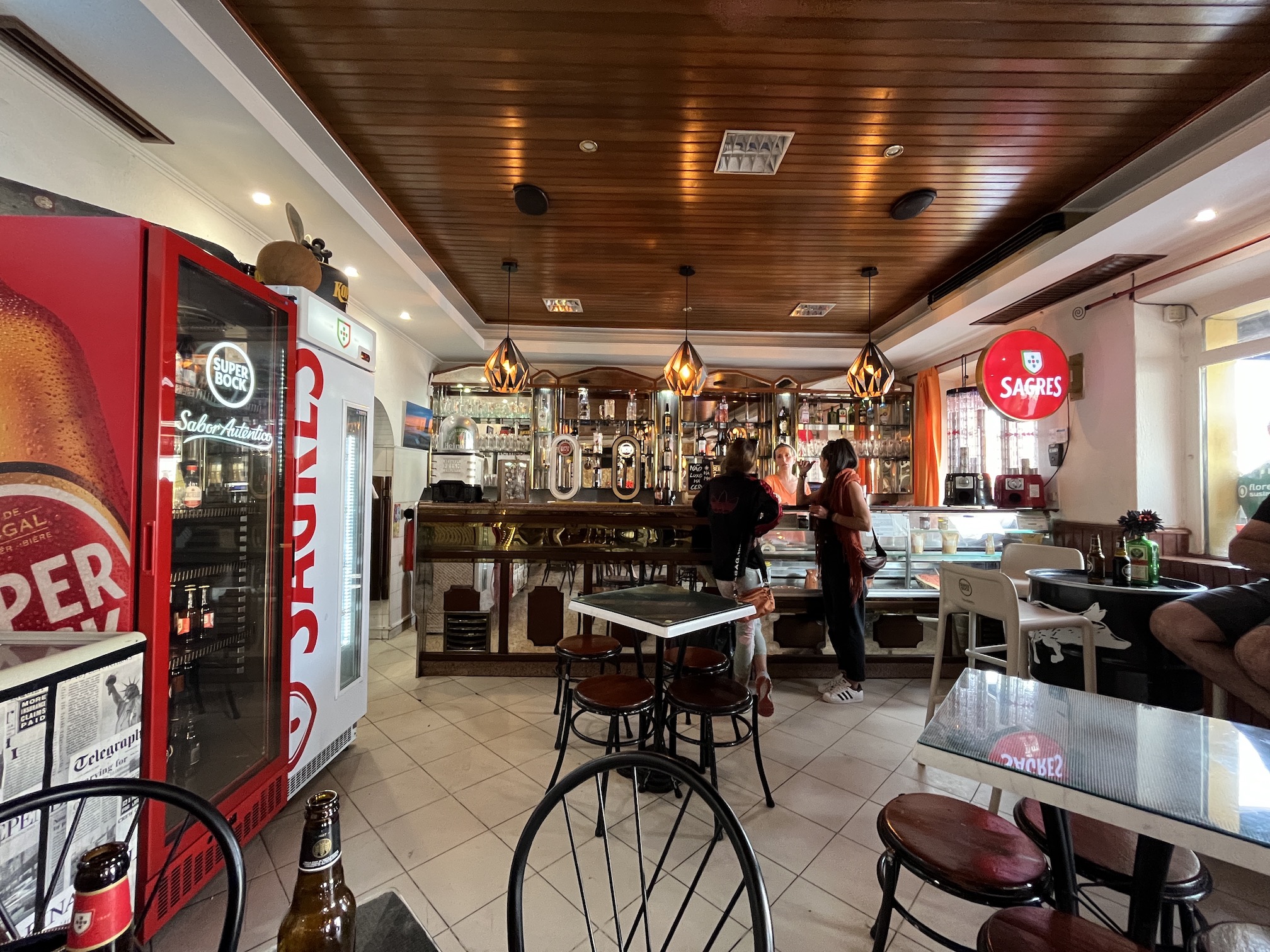
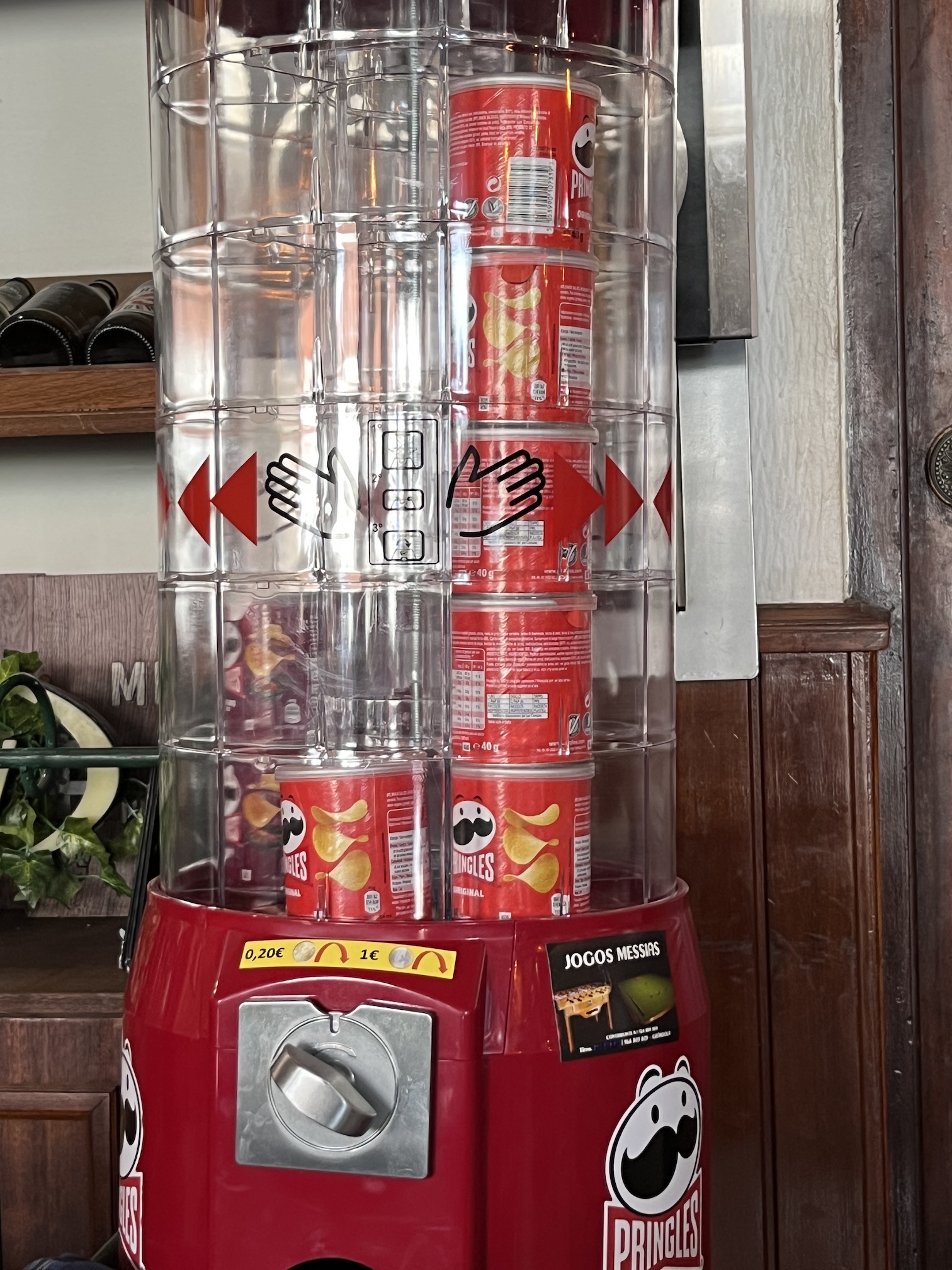
Meanwhile, locals are streaming in and out and everyone is giving that kind of secret handshake thing that only close friends give. We really feel like we’re in with the hood here. Our bifanas are delivered and they are everything you might ever want from a late morning sandwich – warm toasted bun, garlic aioli, pounded pork loin, cheese and a perfect over-easy egg whose yolk will soon break and provide a silky sauce to take it over the top. Hot diggety! That was the Beatles in a bun! A perfect simple sandwich!
The Bird Whisperer
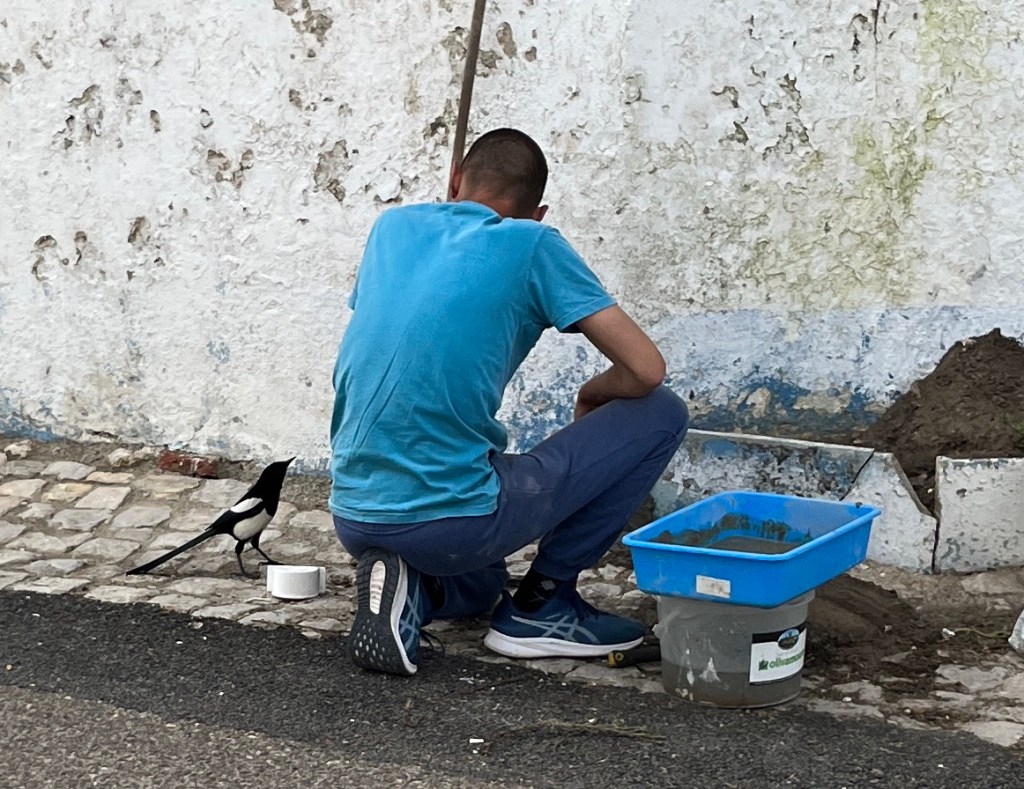
On the way to the center of town, we approach a man working on a wall. He’s talking to the bird next to him. I’m serious. He’s squatting and talking with a plump black, blue, and white bird. When his inflection lilts upwards like a question, the bird responds with chirps and some birdy body language while looking straight at the man. They are literally a foot away from each other. The man coos another little message and the bird responds with a different intonation and angles his head upwards for emphasis. We tiptoe by, pressed up against the far wall opposite to this intimacy and try not to intrude – but neither takes any notice. We’ve never seen anything like that.
The Unlikely Enríco
Night falls and we’re hungry again. To cure this situation, I drop down into Brisa do Rio and order a salad. It’s going to be 10 minutes so I decide to pop over to a store for milk and other sundrie. I ask the waitress where I could buy these things. She doesn’t understand my question and so pulls me outside and calls over to a couple guys standing outside the nearby barbershop. What follows is the most unexpected comical travel memory that I never wanted to have, and quite an abberation in our journey thus far.
The guy who responds to her question (“do any of you speak English?”) is a big no-neck guy who looks exactly like all the other big no-neck guys I knew when working construction. He’s a rough edged, rowdy sort – not Portuguese, probably North American… the kind of guy who makes humor that might be misinterpreted as threatening. Kind of like the way movies portray mafia goons, but no-neck is in an old t-shirt and shorts (so that rules that out) and responds with a thick Nnn-Yawk (New York) accent, shouting from 40 feet away…
Yeah, I speak English – is she fucking bothering you? Hows it goin man? Where you from? America…. no shit, I mean where? California? I knew it. You sure know how to dress man…. fucking California. You here alone?
I’m locked into this now, a travel encounter I might otherwise avoid like the plague. I learn his name is Enríco – he tells me he’s from Canada. Hmmm…. Canada, you say. Unlikely… but now he’s walking me to the closest store. I answer his question – I’m here with my wife and we’re touring the country.
No shit! How do you like it? It’s alot like California right? Fucking California. So you here alone? I am totally high man, tripping on mushrooms. Yeah, you got those in California huh? Man, this place is fuckin great. Anyways, here’s the store. Later, California.
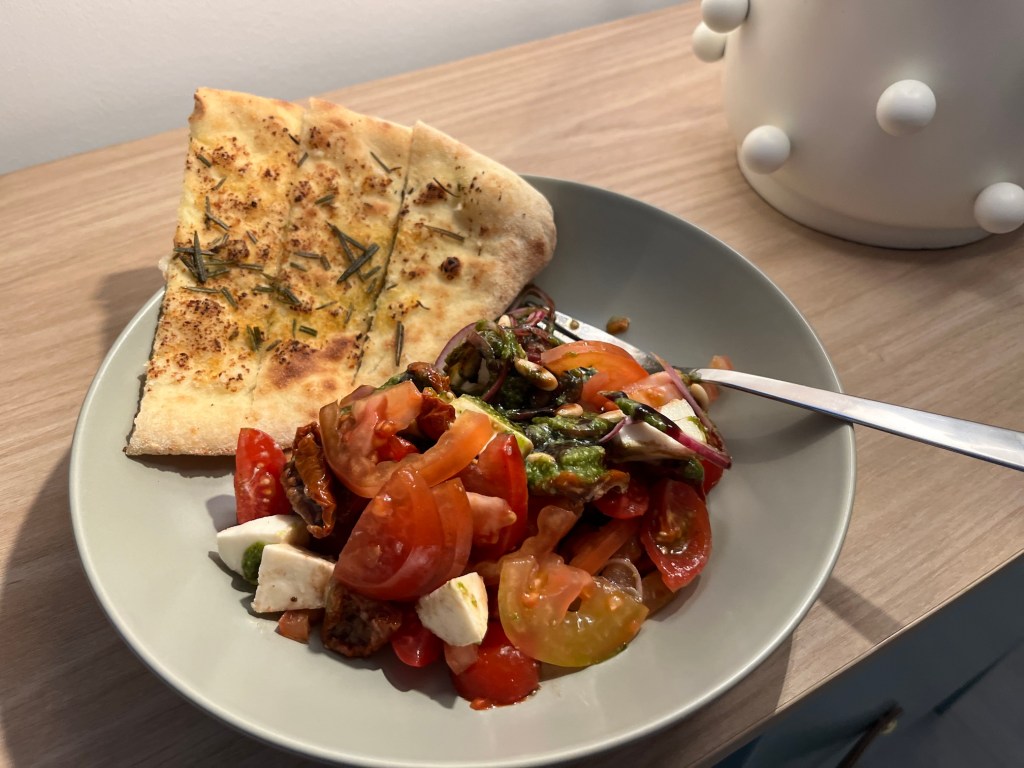
He walks off and I make the immediate decision to take an alternate route back to the apartment. Nonetheless, the tomato, balsamic, and Alentejo pesto salad is brilliant and mouth-puckeringly refreshing. The garlicky flatbread is really light and thin – a supporting actor who knows how to make the lead shine.
The Outro
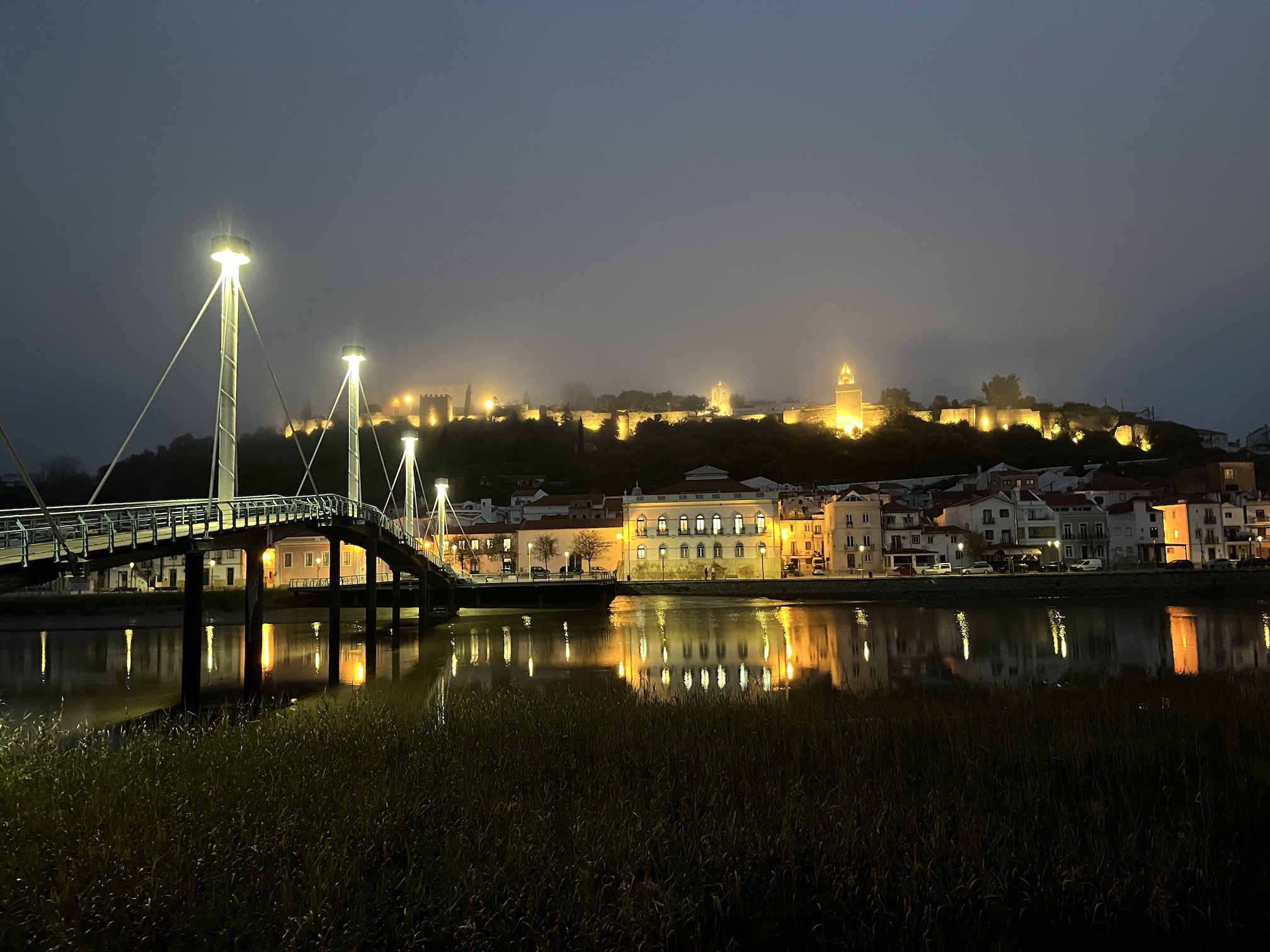
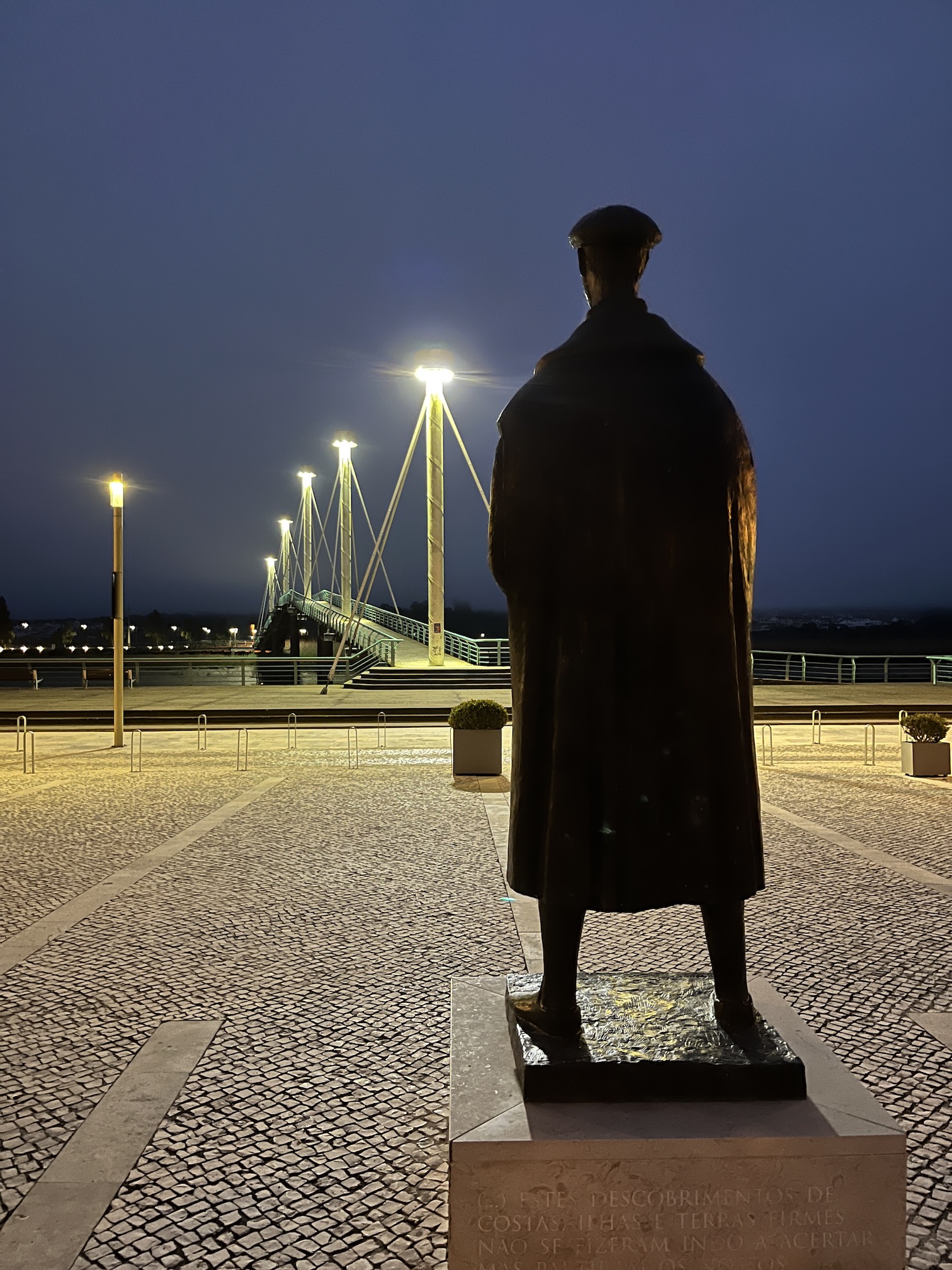
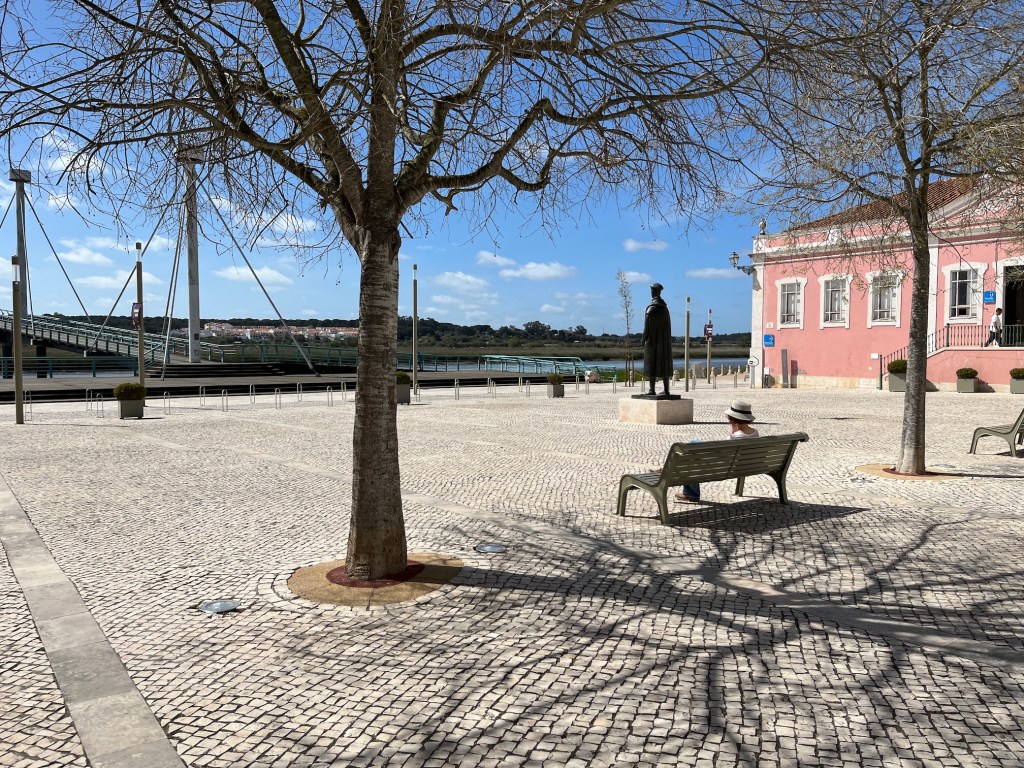
On our last day, I do my usual 5 am start, knock out a couple hours of writing before bolting out the door to witness the sunrise. It’s still night when I start and I’m able to capture the city, iridescent in the predawn gloom. The castle walls are lit and everything is reflecting beautifully in the Rio Sado. The central statue is of Pedro Nunes – a renowned 16th-century mathematician who was the first to apply math to nautical navigation. I just love that the town’s hero is a scientist!


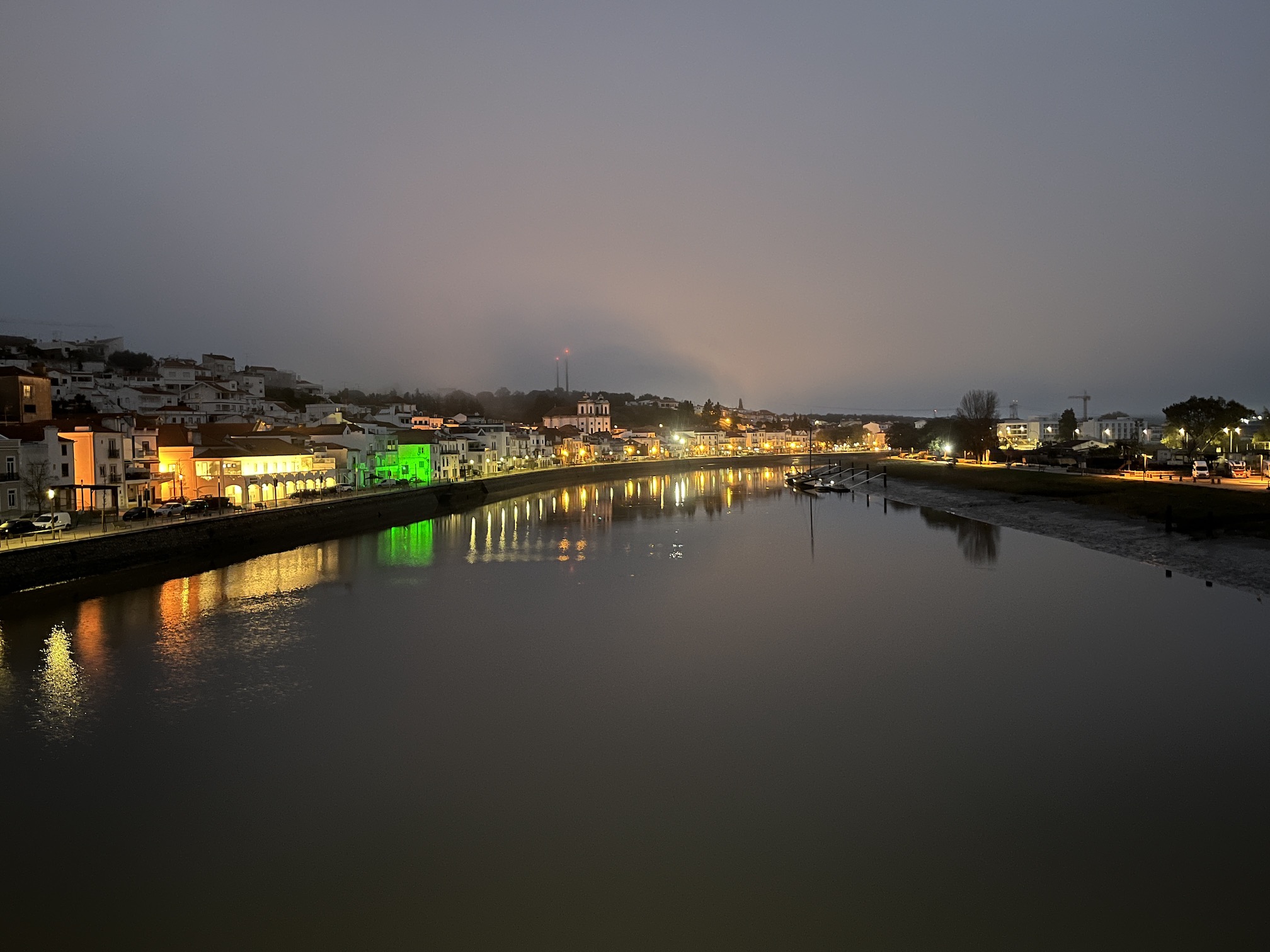
I take a round-the-village walk and notice all the life out and about at this private hour – joggers, walkers, cafe owners, pigeons. Every one of them (except the birds) says ‘Bom Dia’ when I walk by either ahead of – or in response to – my ‘Bom Dia’. There are no head-nods and look aways or pretend-not-to-notice passersby too busy to look. They all acknowledge and greet me. This has been true of the whole country, with a few small exceptions. There’s always an exchange of ‘bom dia’ (good morning), ‘boa tarde’ (good afternoon) or ‘boa noite’ (good night).
On my way back, I meet a kitty.
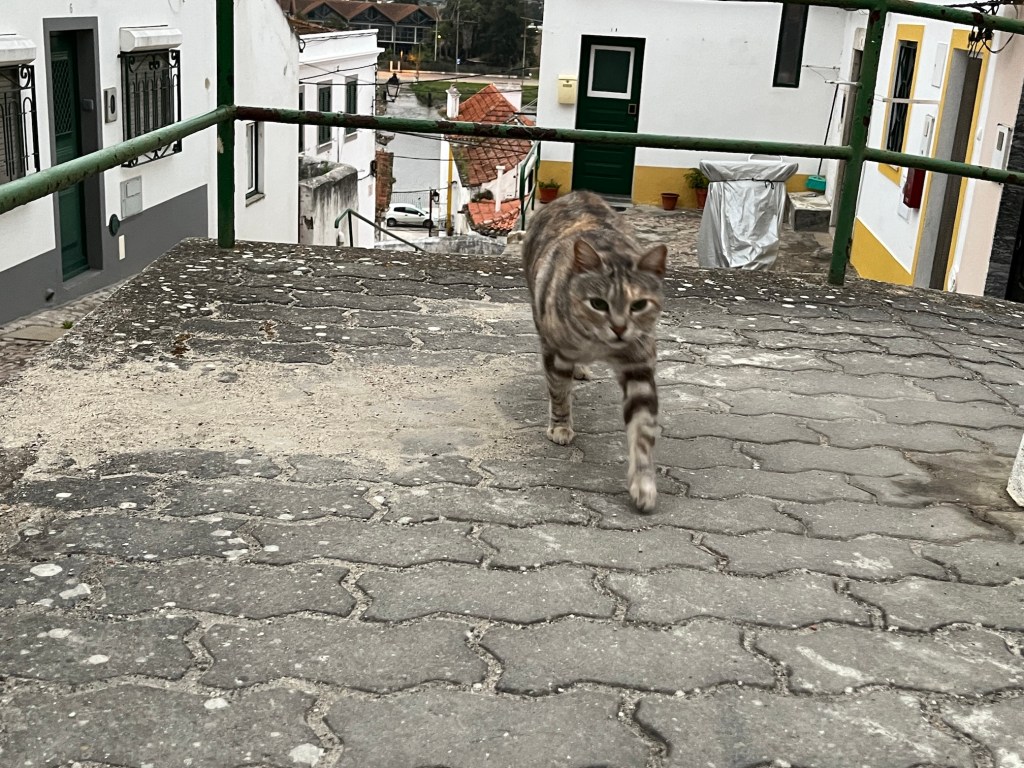
We’ve noticed that the cats are perfectly fine to ignore you unless you make an effort to acknowledge them – in which case they’re your best friends for the moment. When you get up and leave, they don’t follow.
There have been so many cats in Portugal – and we’re never exactly sure which are feral and which are family. Not many have collars.
Our time’s up and we need to get movin. The car is packed and Stasia waits for me as I lock up. We’re off to Vila Nova de Milfontes next for our last week in Portugal. Tchau!
 The Itinerant Three TnTs