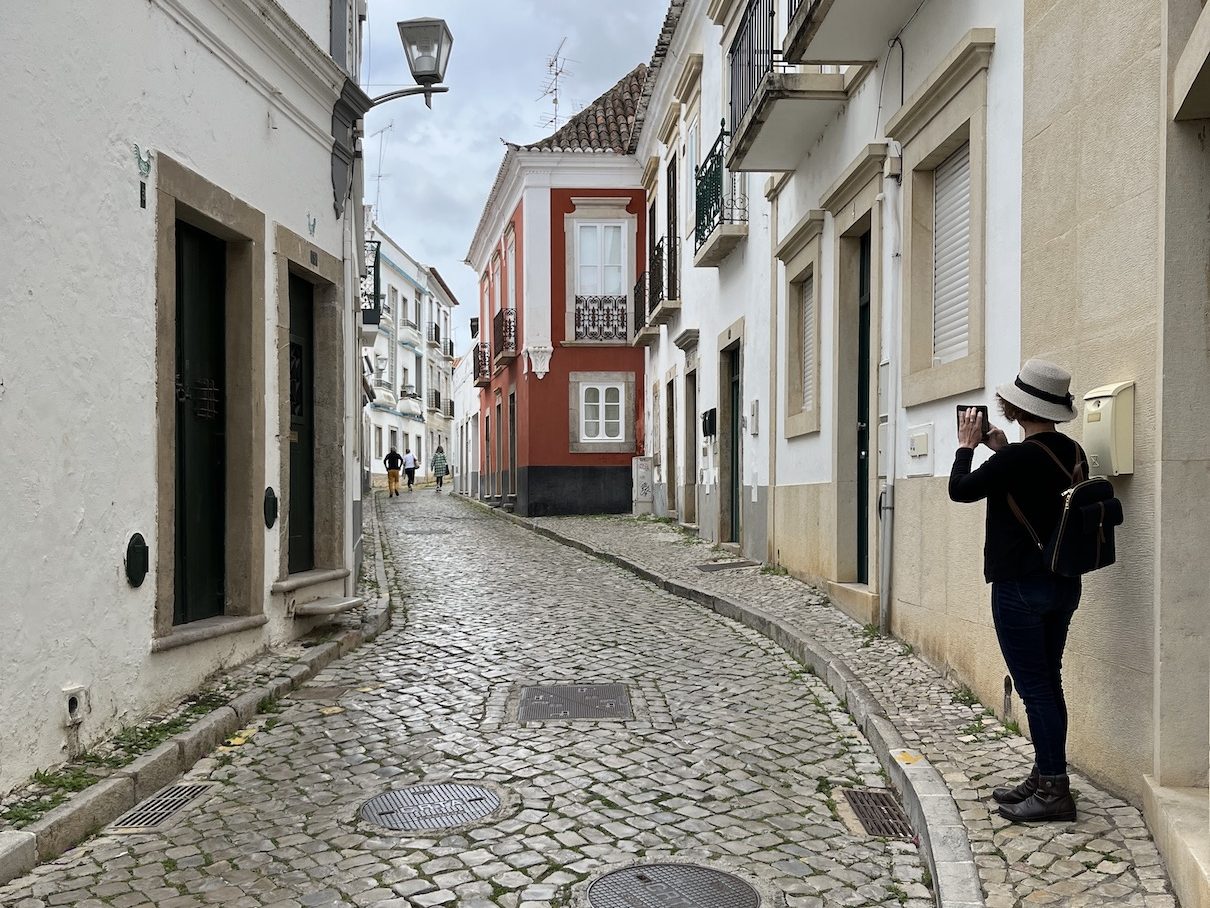
Our last 48 hours in Tavira find us in true form – eating, drinking, and digesting to the pulse of Portugal’s heartbeat, our ambitions ephemeral as sea breezes, the slow time spread like it might never end. Strangers though we were to this town not two days ago, we now feel as connected as so many setts in the cobblestone. It doesn’t take long for a love of Lusitana to take hold once you let it in.
An open letter to the lunch I am currently digesting
Dear Mr. Octopus,
I know you’re one of the smartest creatures in existence and believe me, I derived no joy (my mouth notwithstanding) from savoring your appendages, marinated as they were in some kind of umami ambrosia. I had an especially trying time considering your fate as I explored the mouthfeel of your tentacle suckers, those playful ridges tickling my tongue. As we sit here together, I like to think you would have appreciated the dichotomy of the crispy tempura shell against the buttery suppleness of your slow-cooked flesh… and oh, you would have laughed at the expression on my face when you were presented to me – my eyes widening in surprise – as thick as a teenage tree sapling you were!
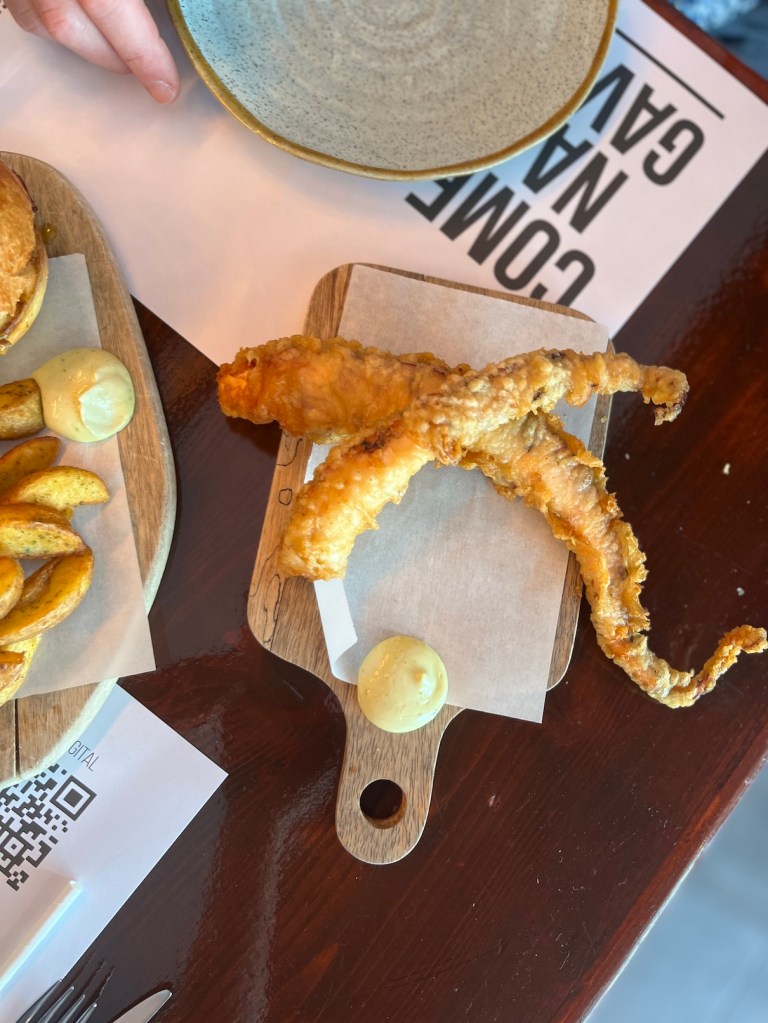
Now we are one, and together we’ll always cherish the piquant garlic/mustardo aioli you were kind enough to taste good with. I wish I could return the favor when it’s my turn to become someone else’s dinner, but we have so little control over these things.
The Devils Handiwork
On our way back from the beach, I spy a shiny-object in a distant shop window which upon closer inspection is revealed as a collection of sconce covers in the style of the devil’s handiwork. Not sure what that is? Just watch a season or two of The Great British Throw Down. While we’ve probably seen loads of this kind of thing in the past, it’s the first since we’ve become Throw Down fans and it has the effect of a celebrity sighting – there’s no delay, we must go in. The devil will find work for idle hands to do.

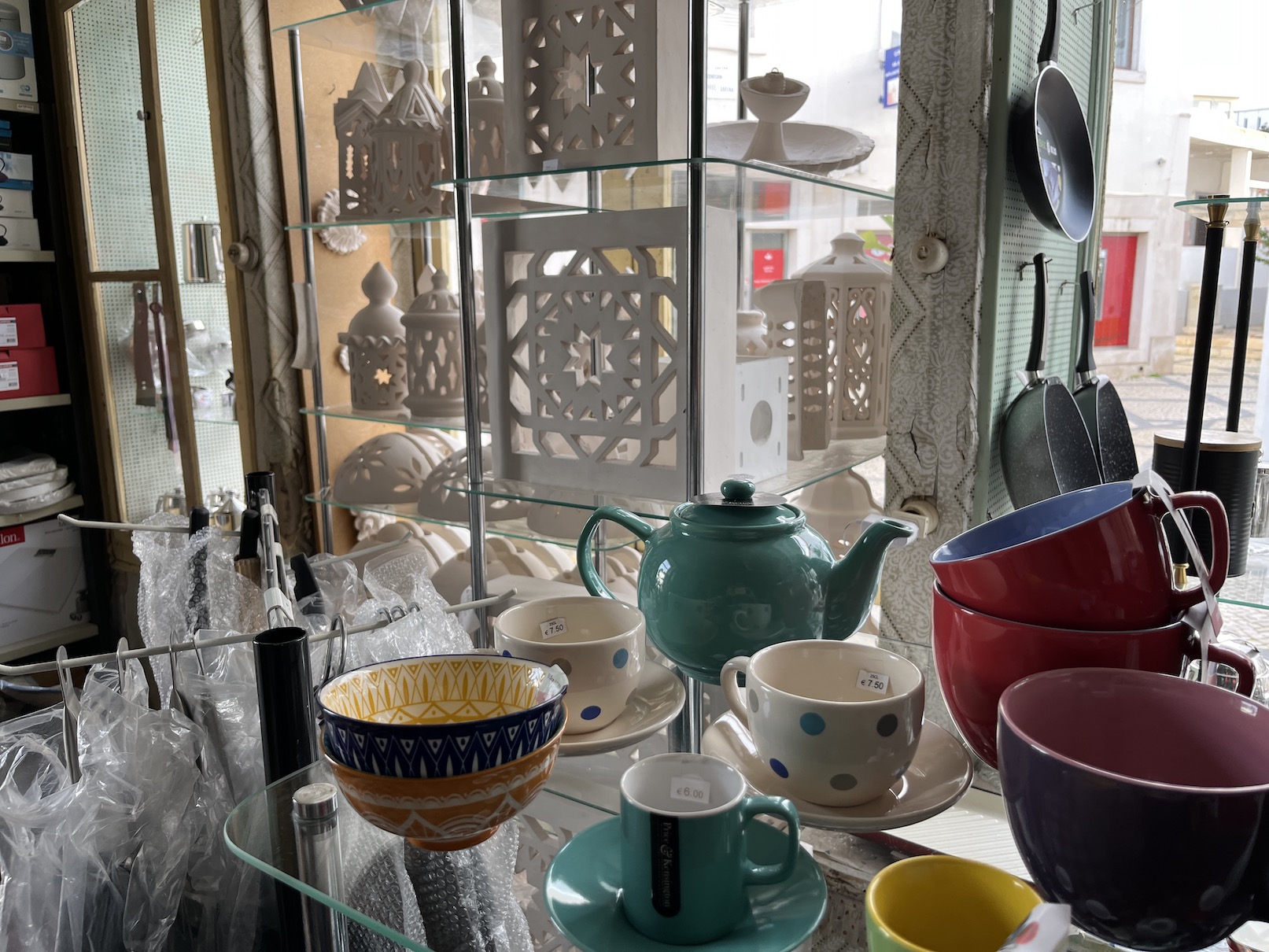

I know we’re in trouble when we enter the store – tiny as it is, the interior is a universe of stylish European housewares. Of special interest are the stovetop espresso makers. Our Coimbra flat had one and we loved it. The reasonable 25 euros it costs just flies out our pockets – and why not also get a set of those tiny spoons to go with the espresso cups Stasia plans on throwing once we get back? Another excellent souvenir we’ll use all the time and we feel a slight thrill when we see it sells on Amazon for double the price.
Raise a toast
Whoever designed the toaster in our flat is a mad genius. When it’s done, the mechanism rockets its cargo out of the heat cradles and into orbit, sometimes landing on top (2 points), occasionally a foot away on the counter (1 point). But it’s surprisingly satisfying and reminds me of catapults which further reminds me of my favorite scene from Northern Exposure. I’ve never been so entertained by a toaster.
Neck periscopes
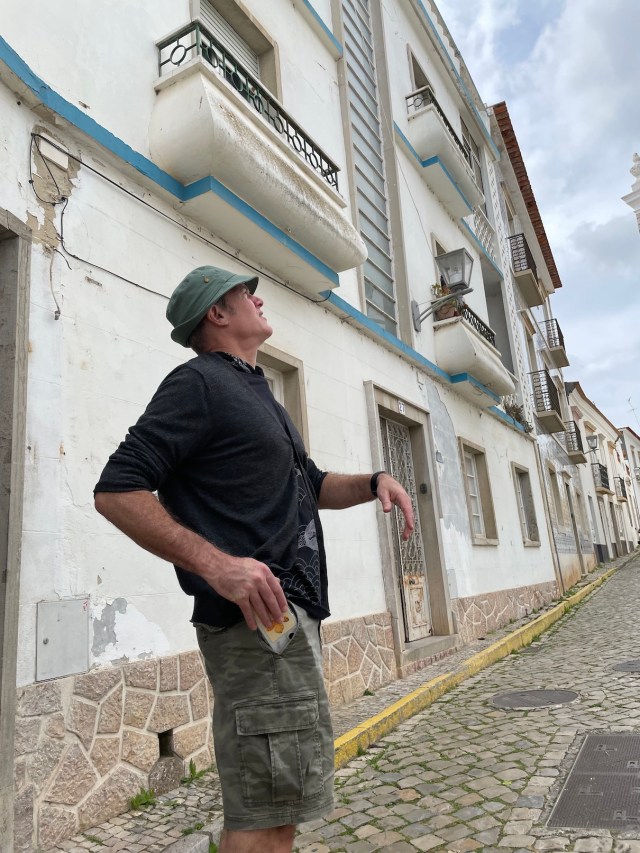
We’re ready to exit our domicile for a directionless meander. As a matter of self-preservation, we don’t dare step out without first hazarding a look in each direction – just the head popping out mind you – to check for any traffic. This is old town and there’s hardly 18 inches of sidewalk betwixt door and street (which itself is extremely narrow). If you were to just walk out the door, there’s decent odds you’d have a Certs-encounter with a pedestrian, bike, scooter, or worse.
Striving for nothingness
We’re striving for vacuity today, the relaxed, structureless state that leaves us empty vessels ready to be filled. My pens and pads would attest that I am the Lord of the To-do List – but now I’d like the exotic feeling of aimlessness. Everything will be a surprise because what else could it be when we don’t have a plan.
Come Na Gaveta
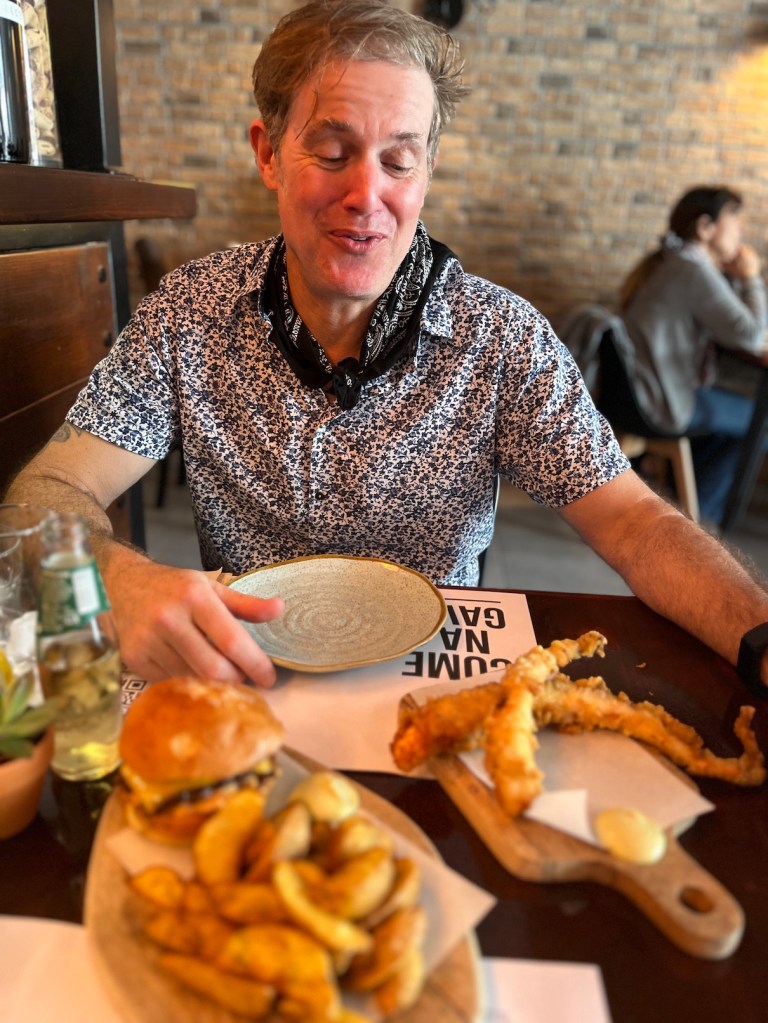
Our first surprise after leaving the flat is pulling in for a bite at Come Na Gaveta. It’s a surprise because we’d just eaten a sizey breakfast at home and aren’t particularly hungry, but this place looks hoppin’ and well, foodies. We supplement our home-cooked breakfast with raw-fish tacos, chestnut soup, and a sparkling sangria (oh gaawd, please don’t say it again) that is (here it comes) the best we’ve ever had (groan).
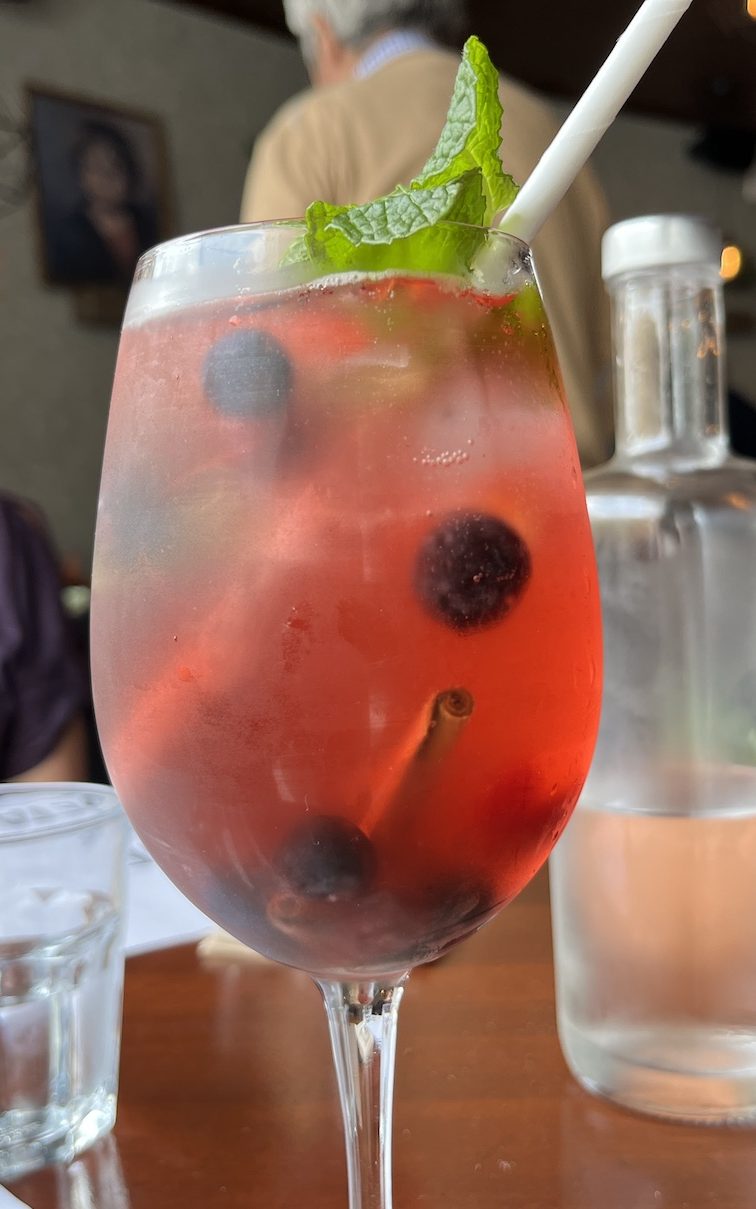
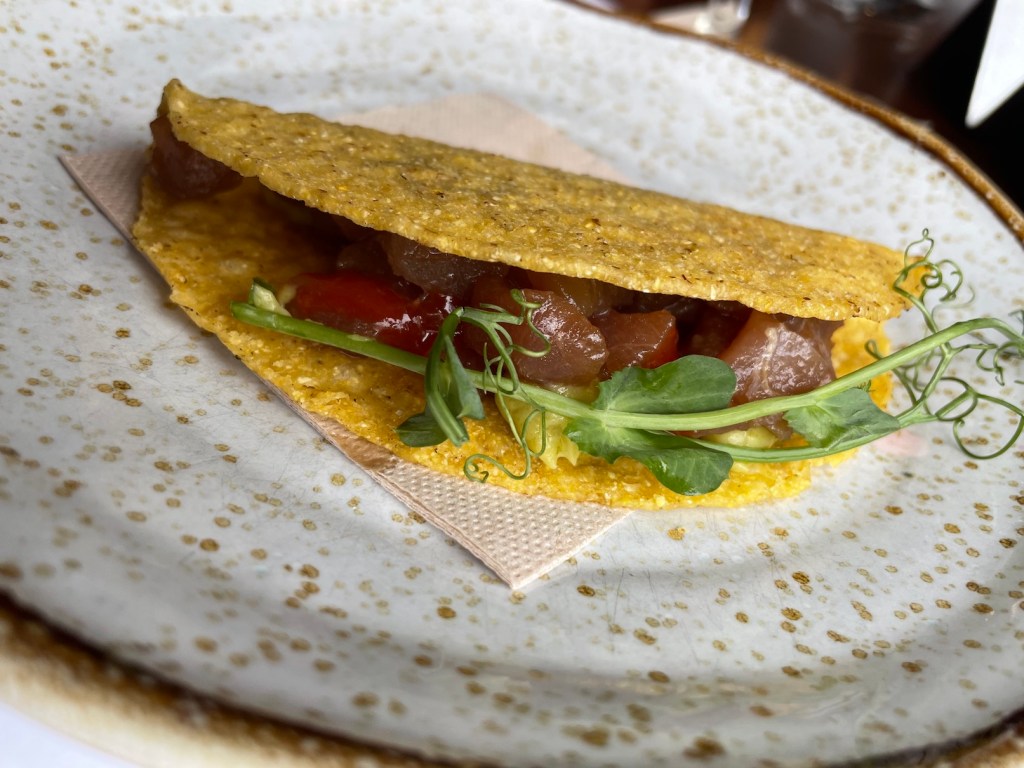
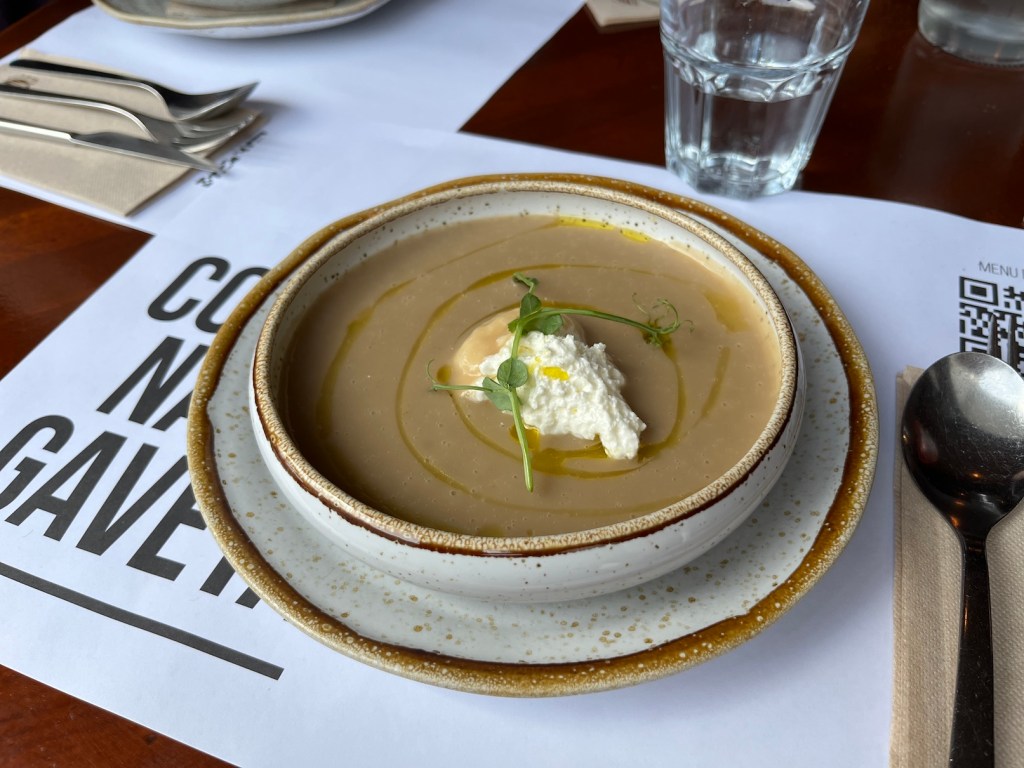
The tacos are a sort of poke-style preparation with tender cuts of cod and tiny diced onions in a spicy soy marinade on crisped corn tortillas. With a squeeze of fresh lime, it’s good, real good, and Stasia is going bananas for it, but my interest is this chestnut soup with the cheese foam – wow. A wholesome vegetal broth thickened with roasted ground chestnuts and sporting an island of salted cheese mousse on top (they call it a foam but I’ll reserve that term for other things like rabid dogs and shaving cream, never found it to be an appetizing word). For afters, our taste buds inform us that chunky sea salt on top of chocolate mousse approaches godliness.
The surprising castle
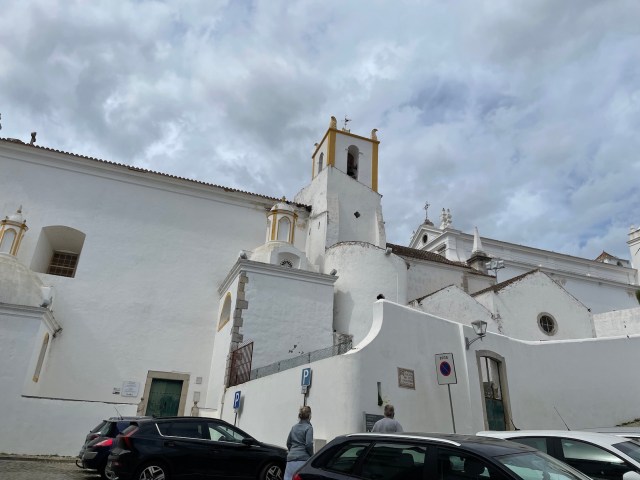
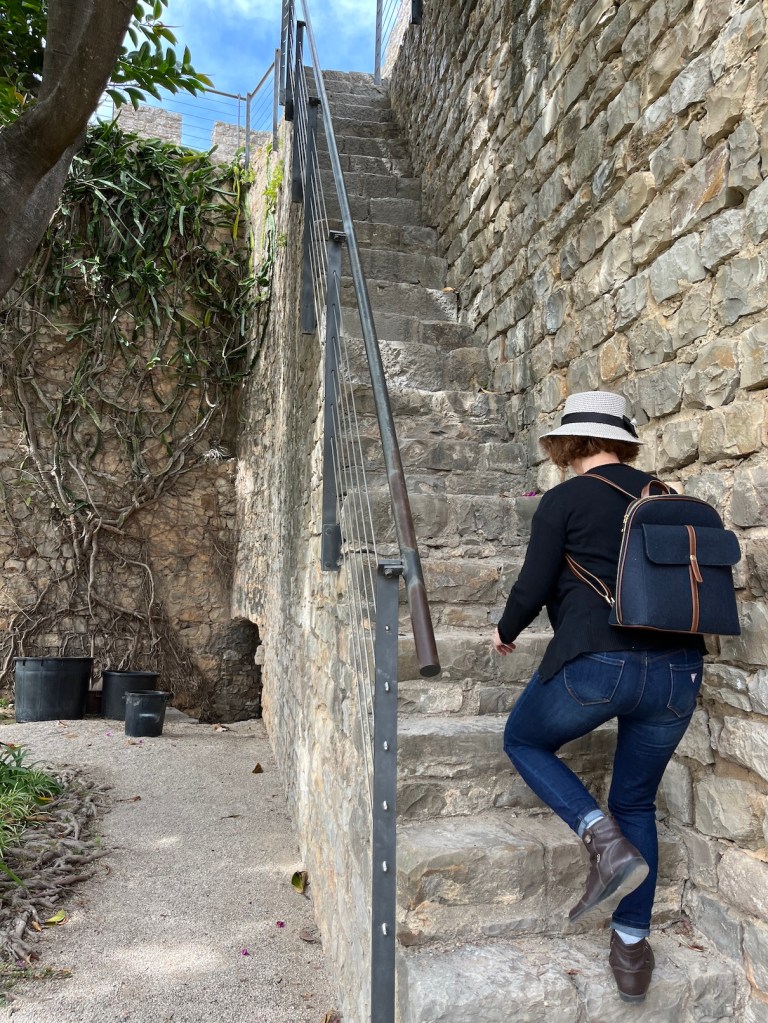
Pointed in a general direction, we stroll through serpentine streets, marveling at the unique doors everyone has. Around a bend, we come face to face with a massive church – or at least the bottom of one as it seems to be piled ever upwards – something Islamic about the architecture. It’s intriguing and there’s nothing for it but to scale the 6 flights of stairs (I mean they’re not going to climb themselves) and you know how much I love hills. Stasia is not the world’s biggest hill fan, but we’re in this wanderlust together and so ascend.
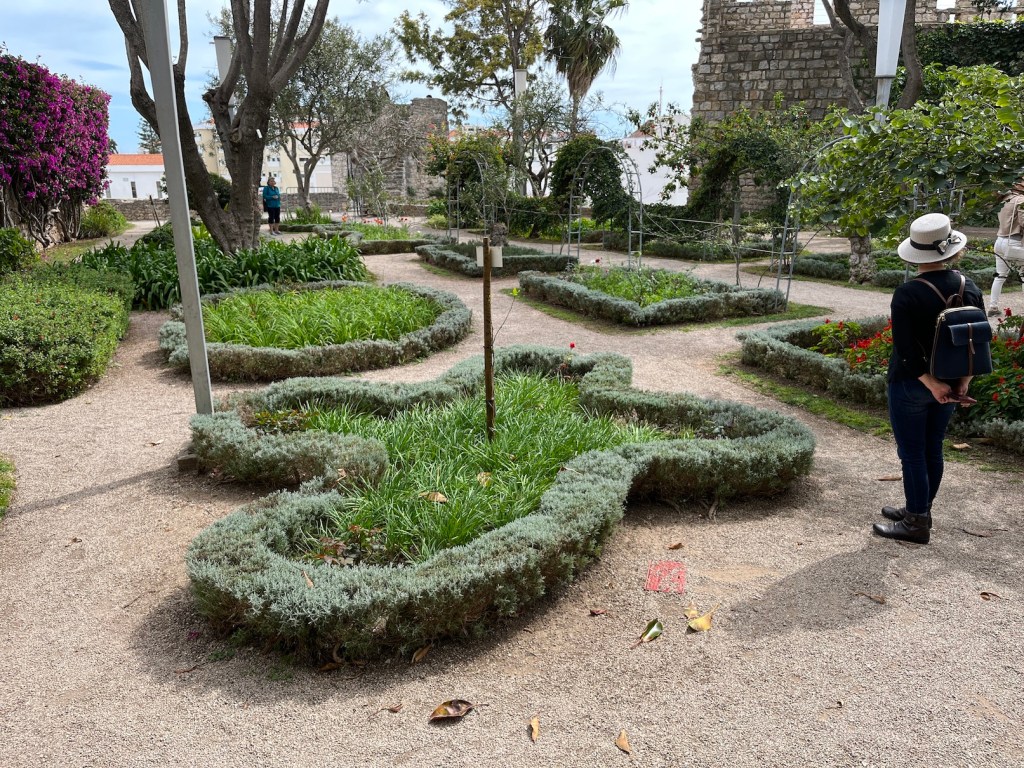
At the top, we’re surprised to find the remains of Castelo de Tavira, the mighty fortress now reduced to a set of ramparts framing a colorful garden. As we breach the portcullis, perfumey jasmine welcomes us in. A massive magnolia off to the left towers overhead emanating health and prosperity while the guy twanging his 6 string under the kumquat tree provides a wonderful soundtrack. He’s whistling and singing beautifully and upon exiting, we compliment the songbird with euros of gratitude.
The surprising church
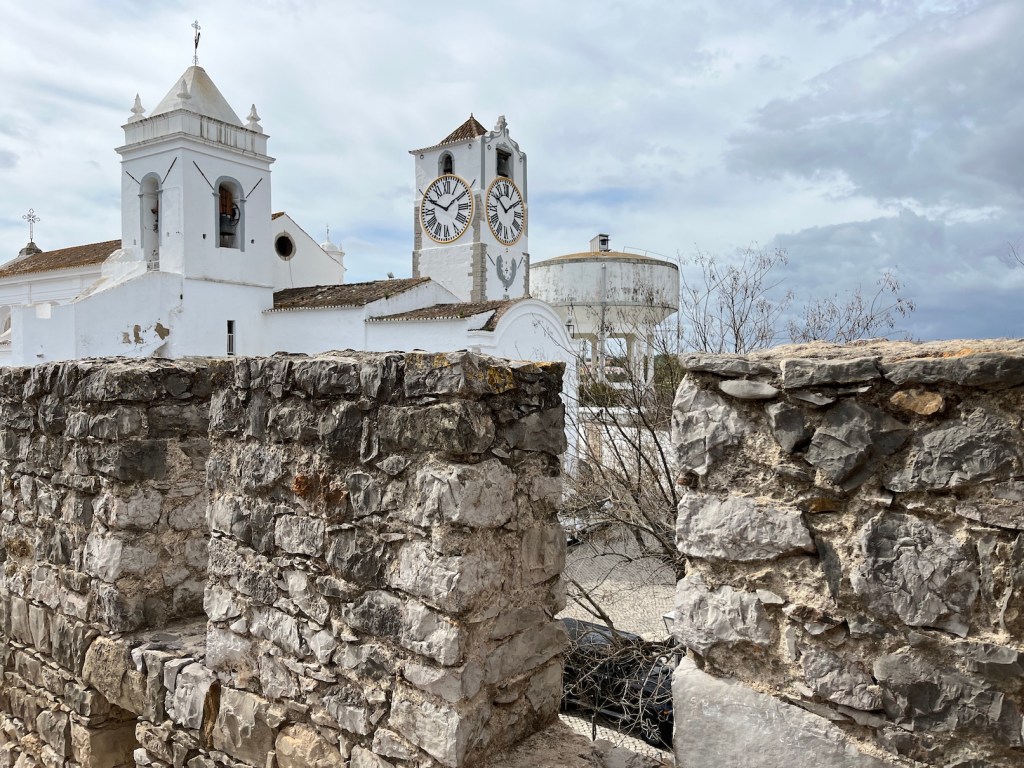
Next door is the aforementioned biblical behemoth. You’d be tempted to think these old catholic megaliths are all the same and maybe most are. This one has some interest though. Inside, artisans are repairing and restoring 16th-century artwork and statuary.
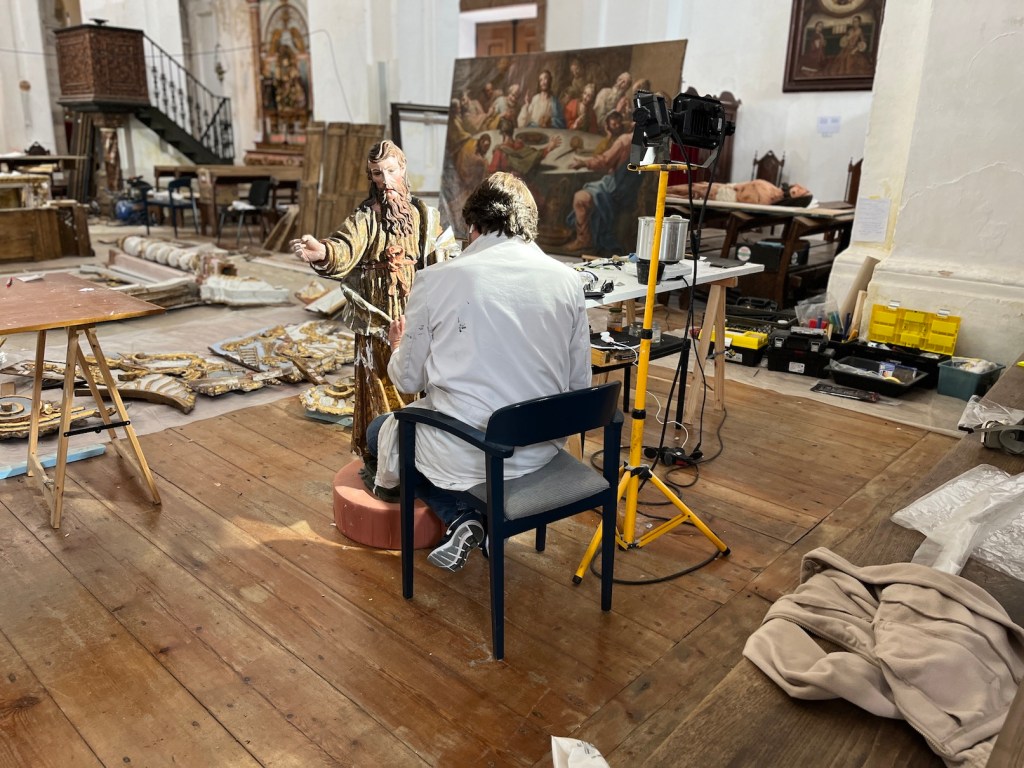
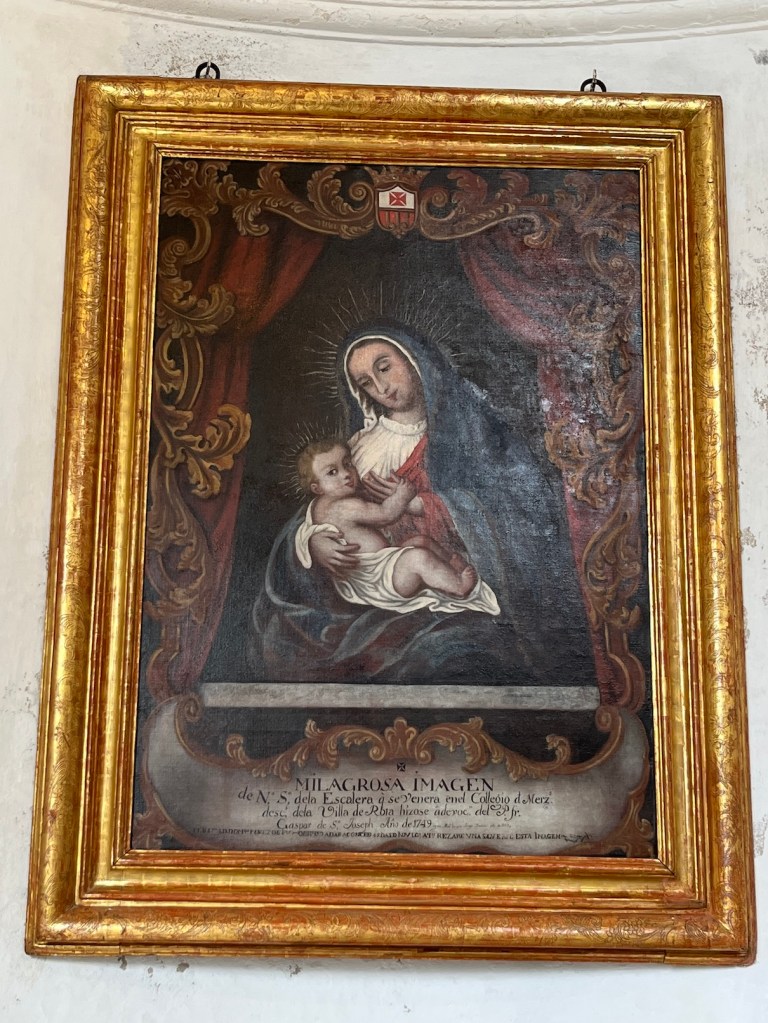
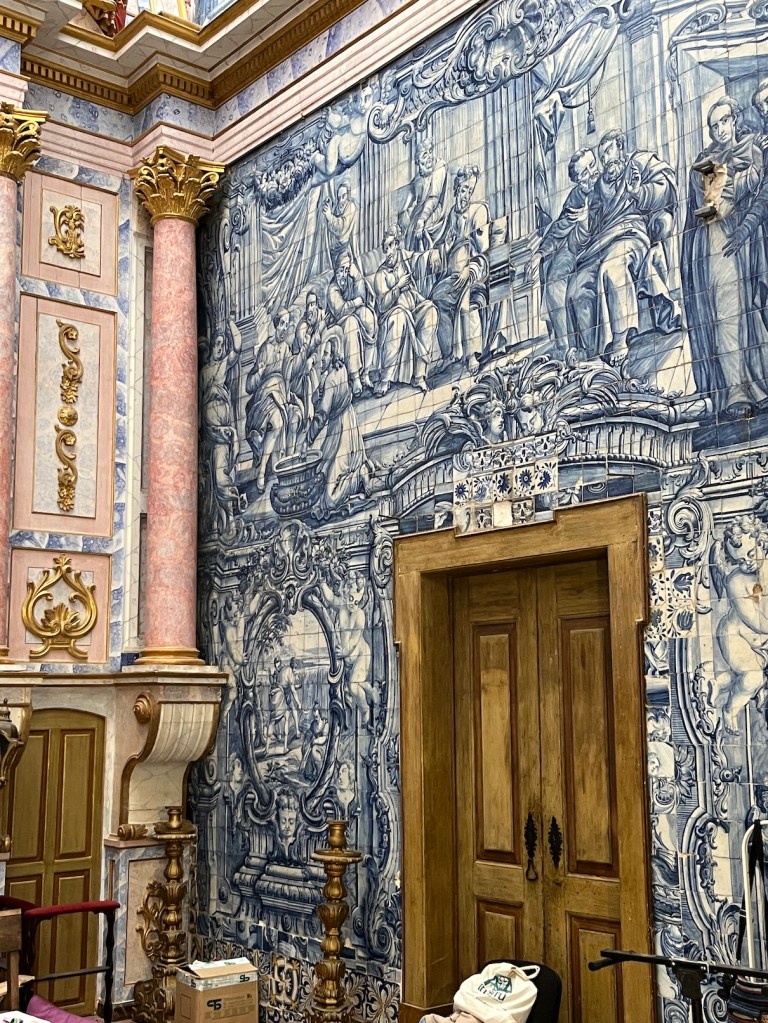
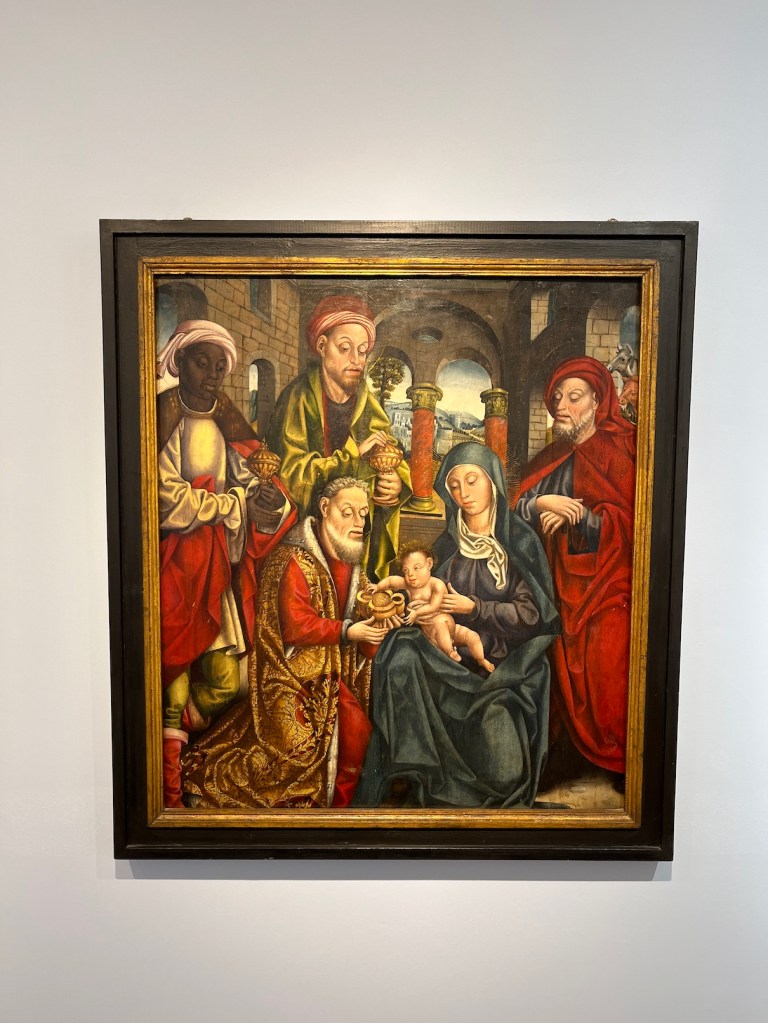
The storytelling is also unique (to me anyway). The painting of Our Lady of the Milk portrays Mary breastfeeding baby J in a way that would make a great poster for the La Leche movement. Another frieze depicts a celestial courtroom of sorts with Jesus as judge and St Michael as bailiff, the people below burning in hellfire pleading to be forgiven. Blue tiles of the last supper and early attempts at tromp l oeil complete this symbolic smorgasbord but there’s one more surprise to be had here (no, not the really ugly baby Jesus painting).
It’s a bottle of locally made honey mead. I ask the guy why it’s for sale in a catholic church gift shop and expect to hear that it’s made from holy water or by cloistered monks in the Serra Estrella. It’s nothing of the sort, but it’s a beautiful bottle all the same and reminds us of good times with my mommo and Rick, who introduced us to the stuff ages ago.
The surprising camera obscura
There is a giant camera obscura here, looks like a water tower storage tank – and surprise, they’re not open despite these being open hours.
Stasia does dinners
Restaurants are great in a pinch, but we are really home-cookin’ folk. Our VRBOs all come with kitchens and finally, after two weeks, we’re putting them through the paces. I say ‘we‘ but it’s really Chef Stasia chopping the cebolas and mixing the molhos. (I get to be the market-gopher and royal-food-taster). One night, she gets scrappy and makes a cravable, creamy primavera using leftover vegetables, then sends it over the top with the addition of crispy, slivered salami.
Love at the local loja
We get our groceries from a tiny loja (store) around the bend. If you weren’t paying attention, you’d have no idea the wealth of fresh produce, dairy, butchered meats and fish, fresh bread, and a great wine selection glowing within its modest interior. There is decidedly non-grocery-store branding outside its plain white exterior and looks like any other space, save that a cat hangs out front waiting for lap donations.
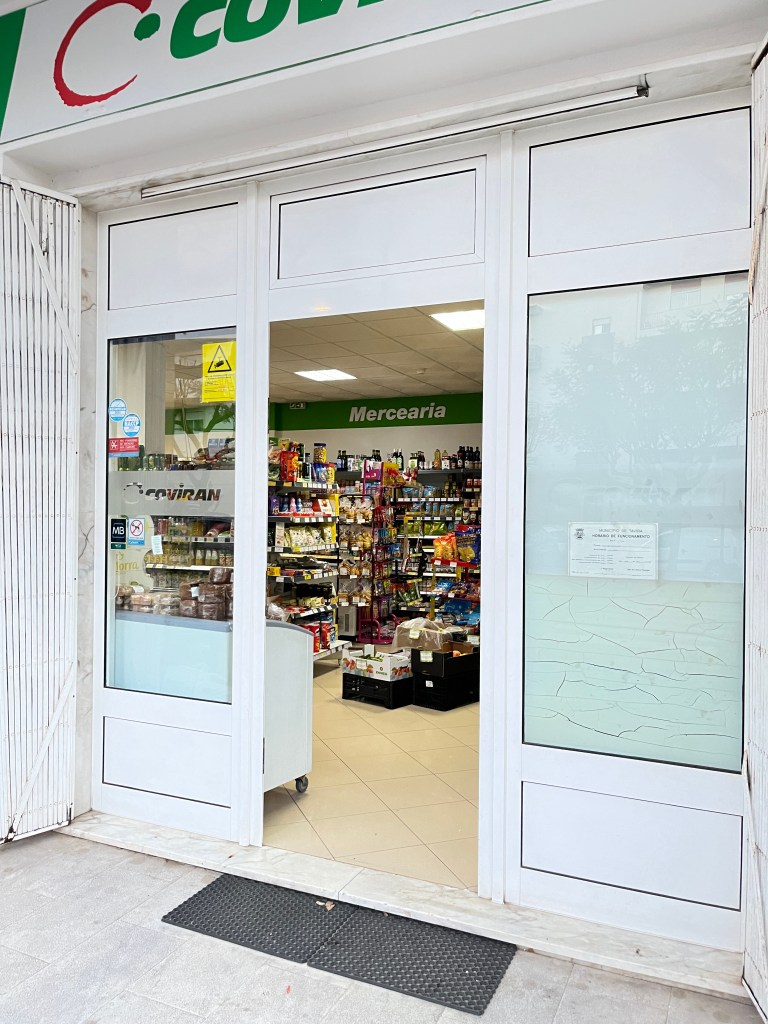
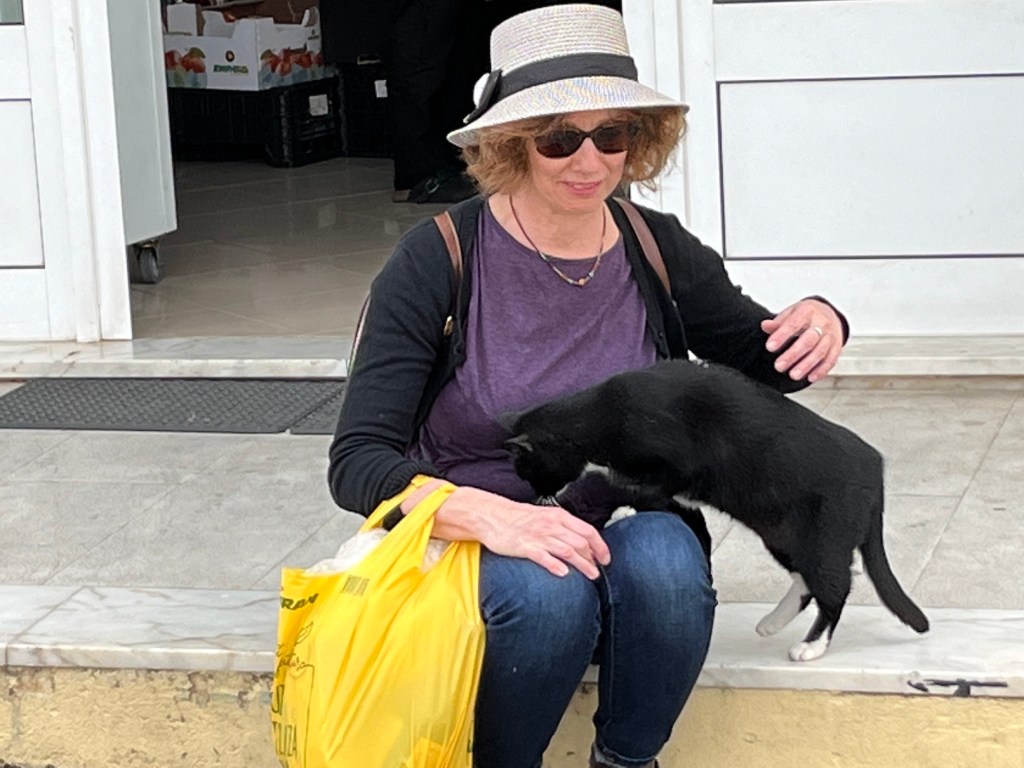
Completely mono-lingual, the lady who works there is very nice and when I practice my Portuguese she is attentive and helpful. She makes me feel like a nephew. Interactions with someone so present as to make you feel like family are quite meaningful when you’re a stranger. It’s a reminder from the universe to give one’s full attention to others when engaging. I would trade in all my sightseeing for personal interchanges like this, moments that make you feel seen and cared for despite culture/language divides.
Dairy no care-ee
Milk and eggs are not refrigerated – a factoid we first picked up from Nuno in Porto and are now seeing in the markets. Eggs aren’t chemically treated (Nuno says occasionally they’ll have some poop on them but you just wash them before using) and so have their protective enzyme barrier intact and the milk.. well, I don’t know – I just go with the local flow.
Shame on you Ronald
Before we got here, we read that the nation’s breakfast is a cup of espresso and perhaps a baked good. You won’t find hearty skillets and ‘Moons over my Hammy’ anywhere around here. A certain creepy-looking, floppy-shoed clown is subversively working to change the culture, and it makes me feel guilty by association.

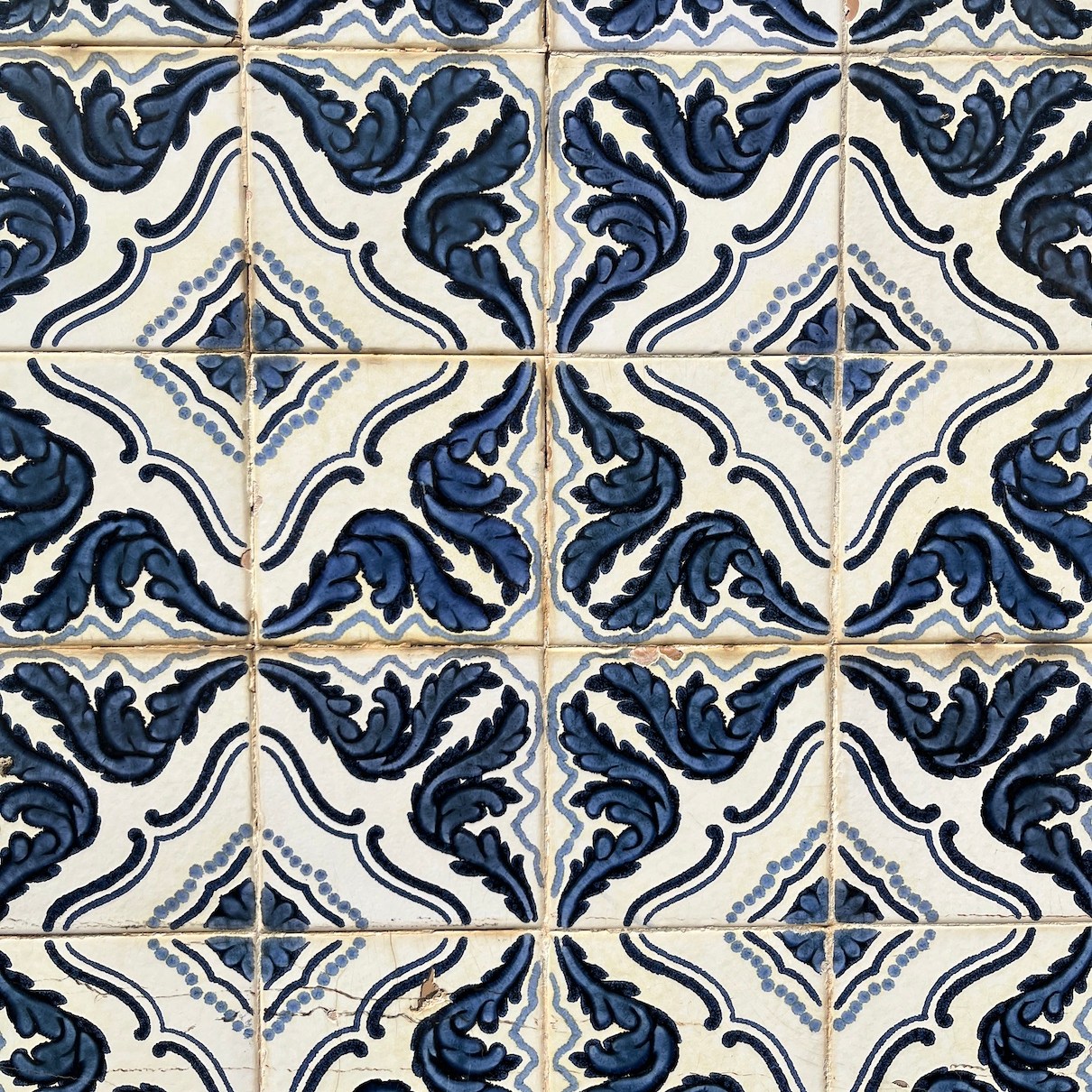
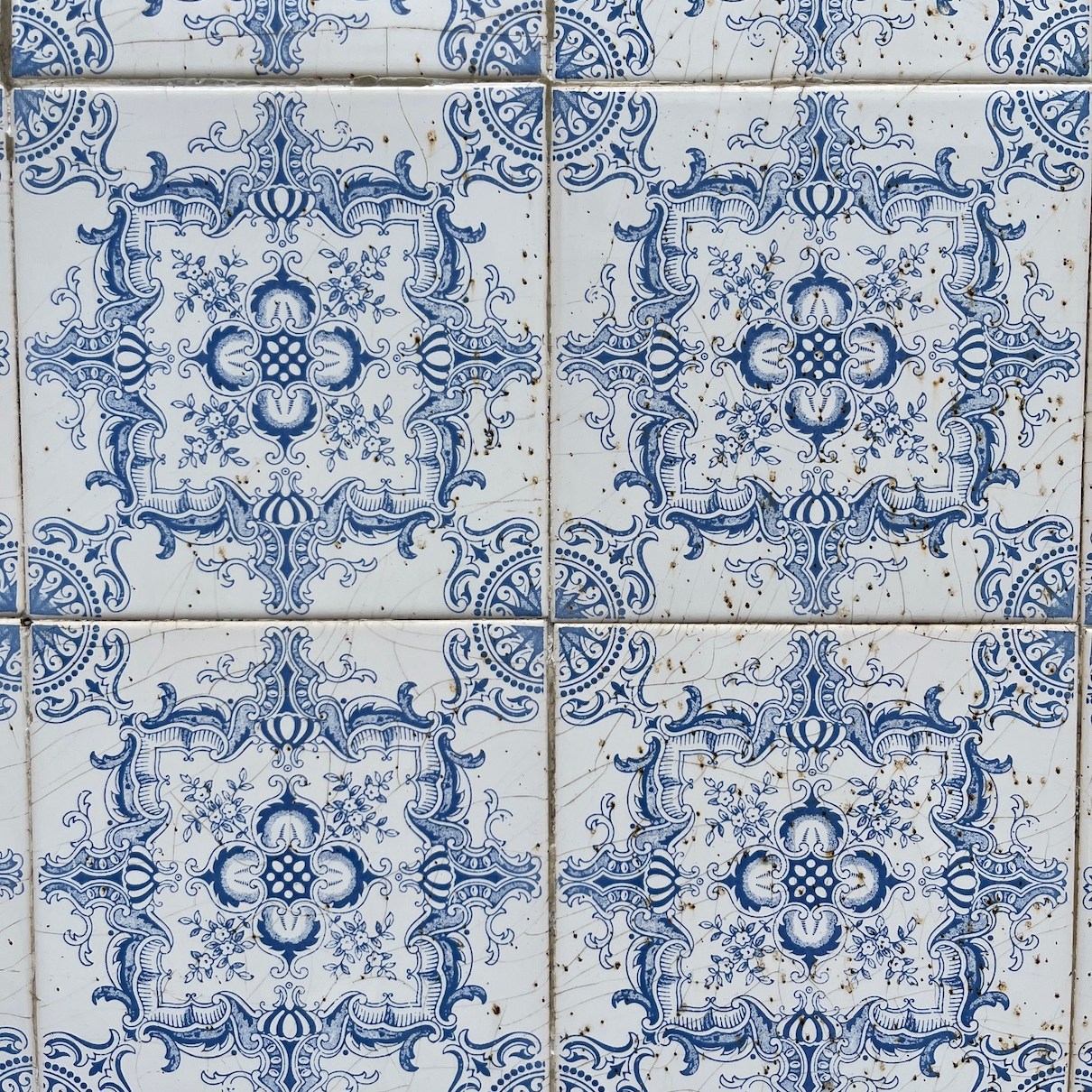
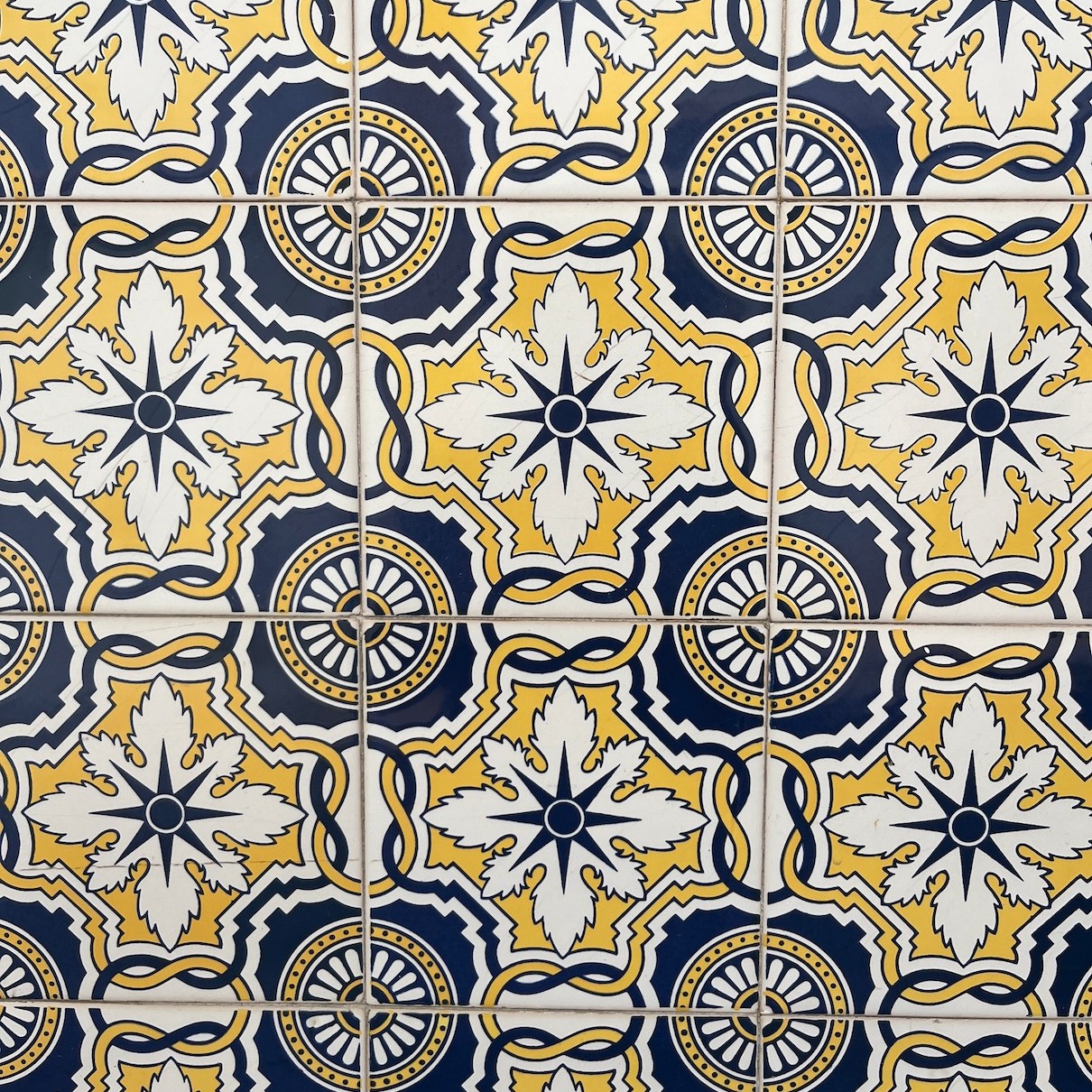
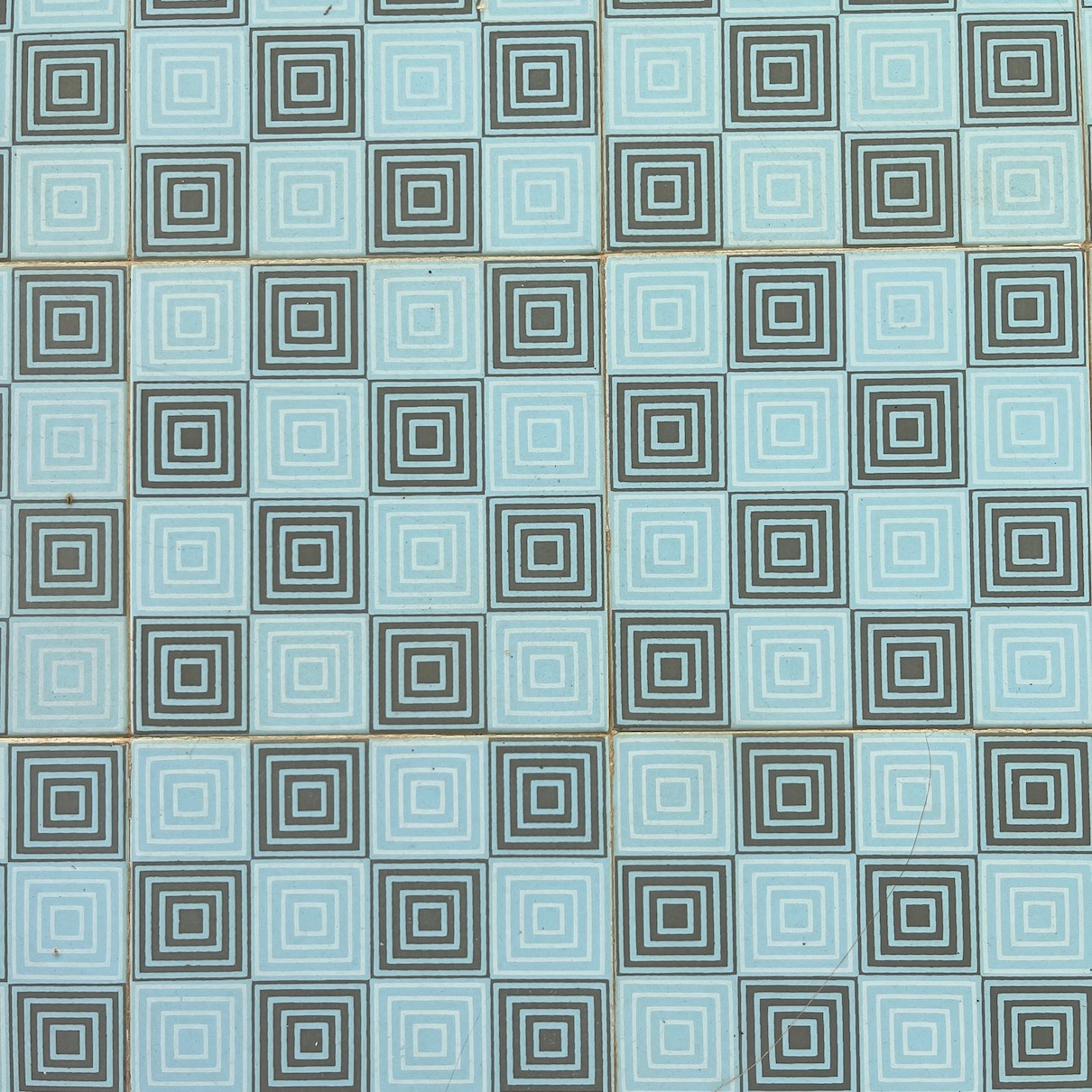
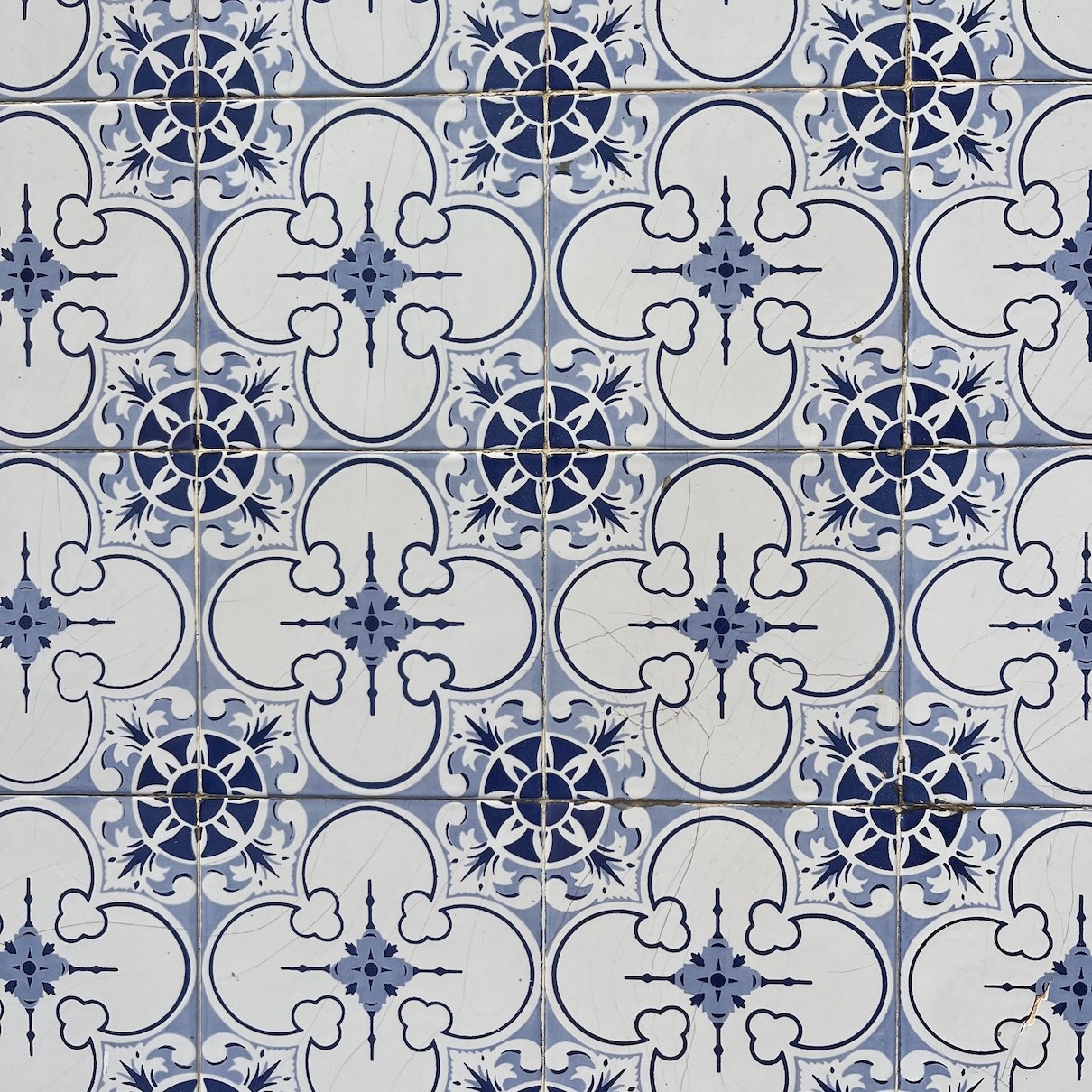
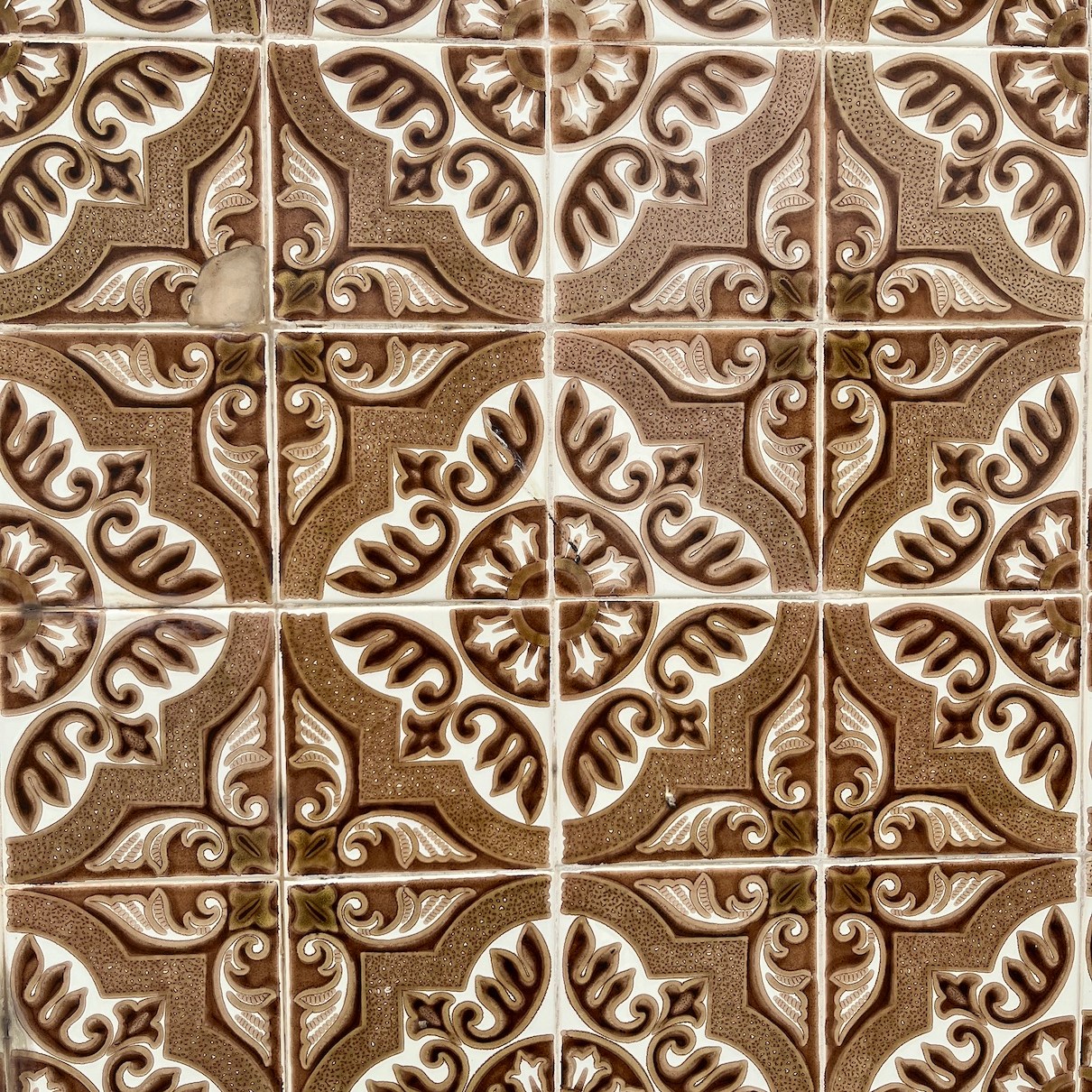
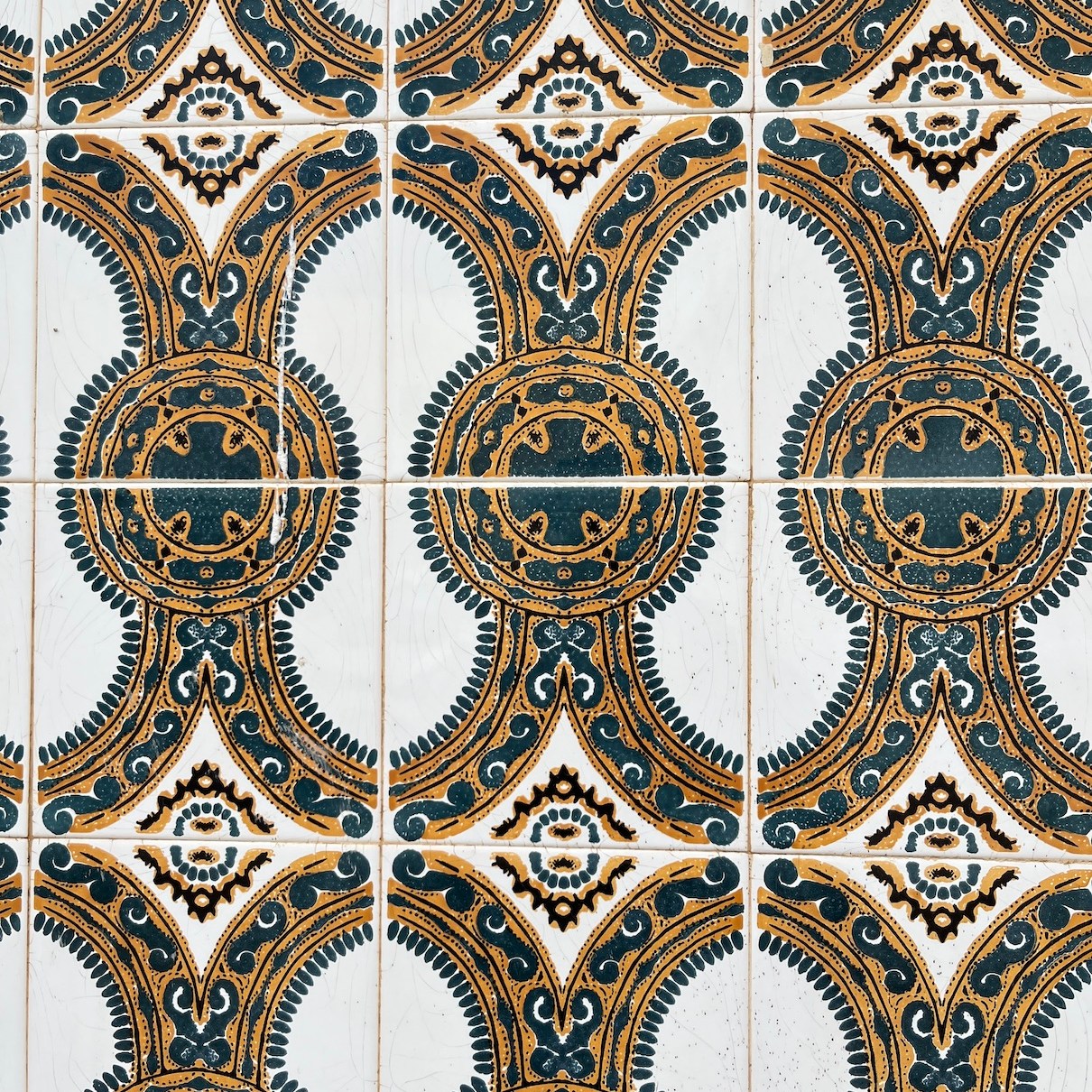
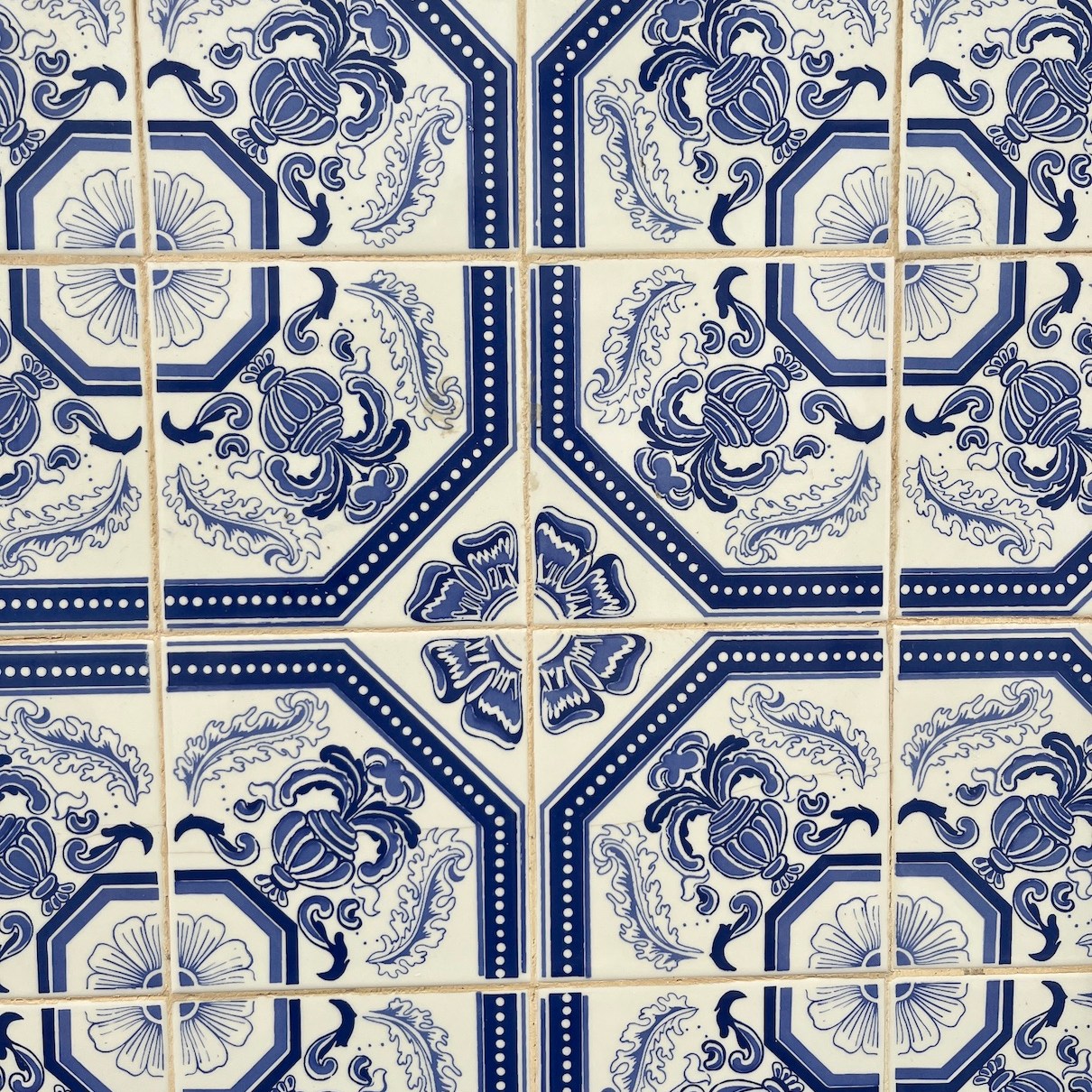
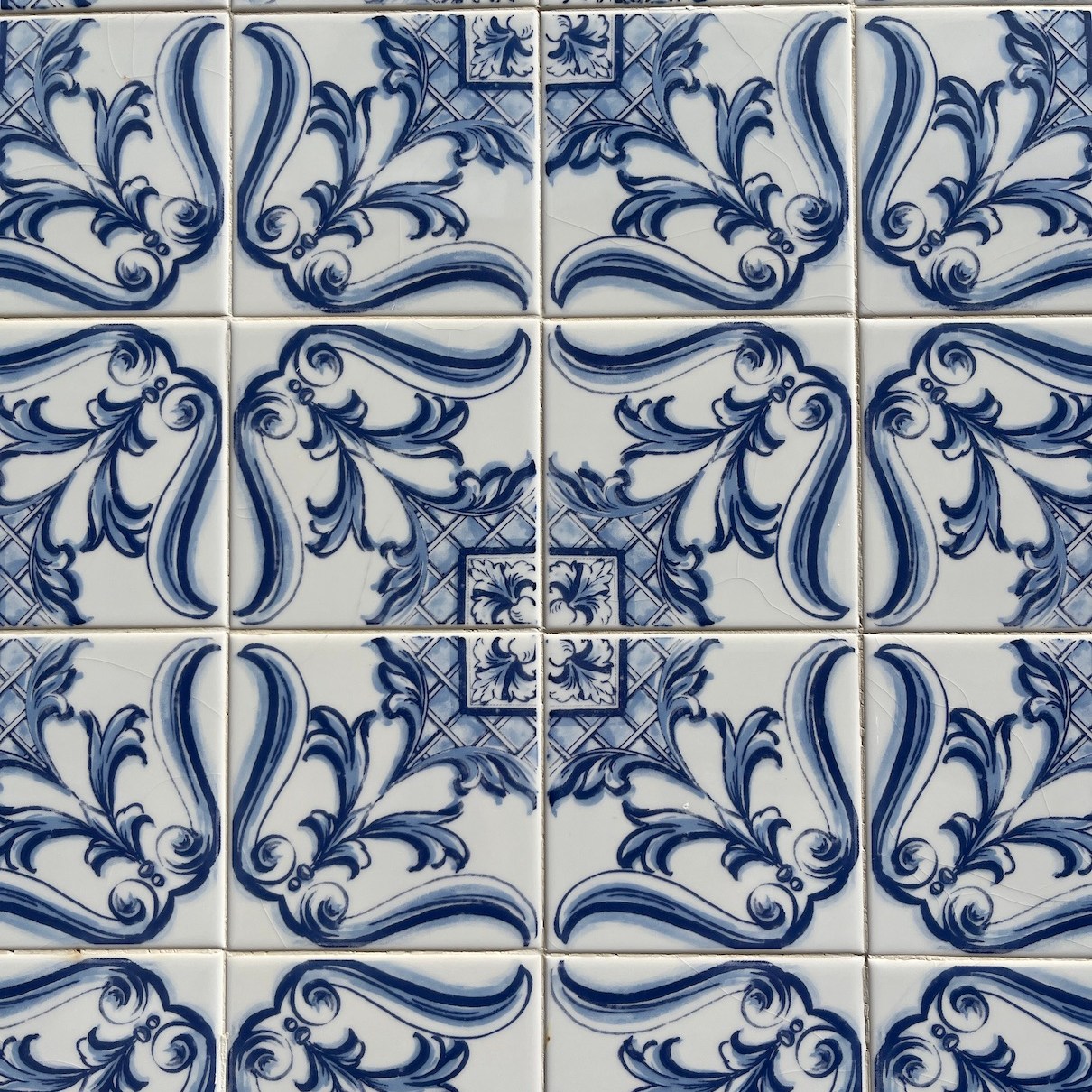
Miles of tiles
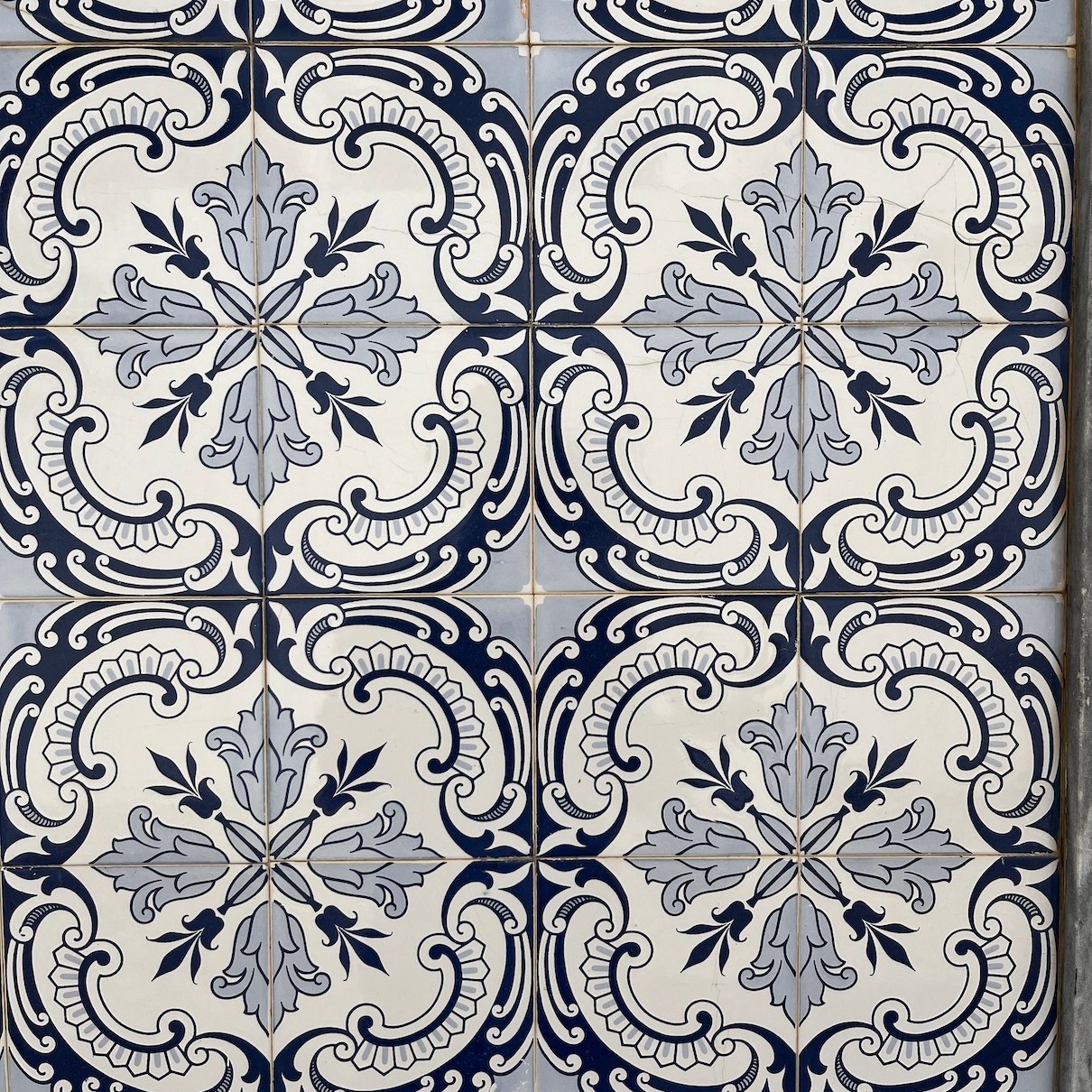
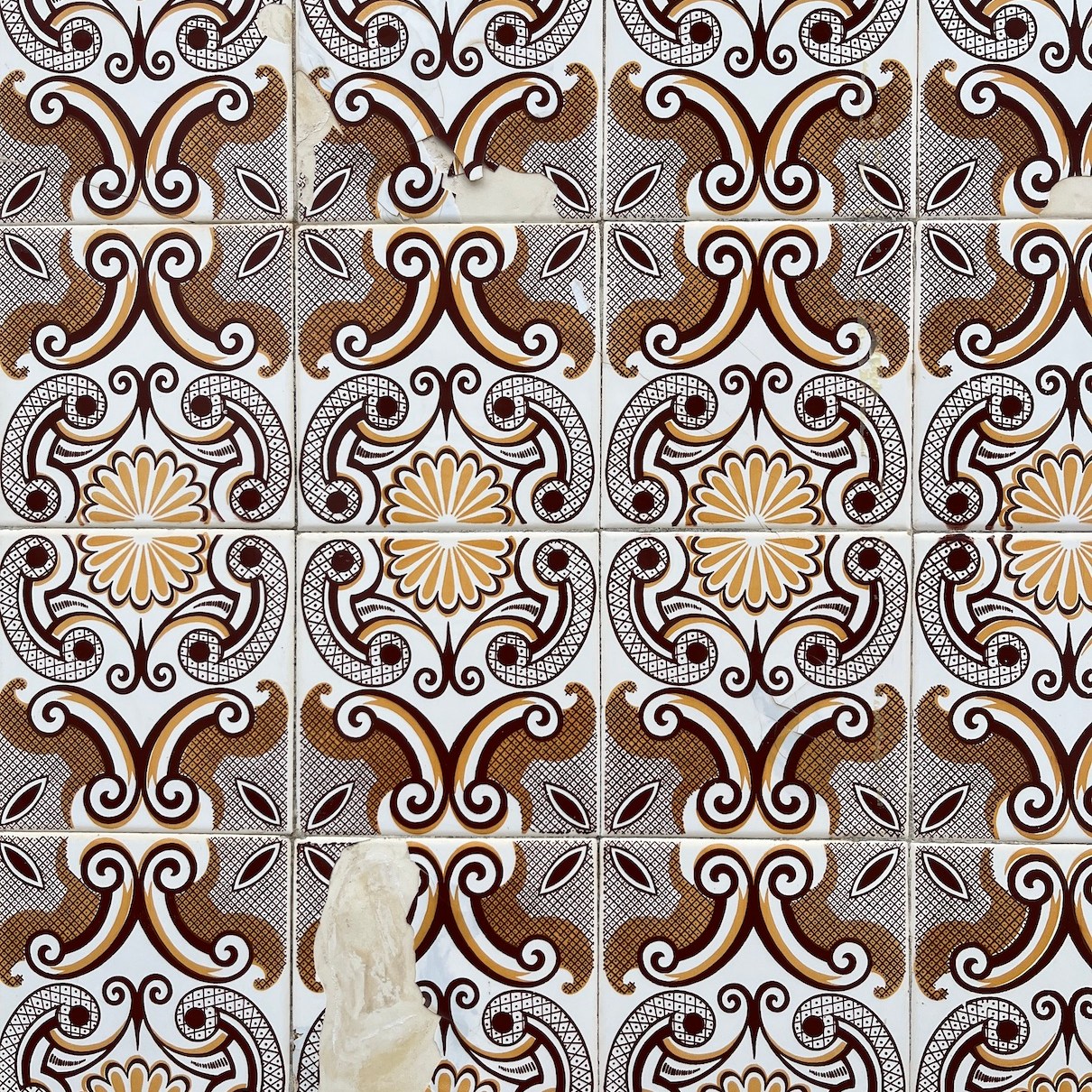
I wasn’t a huge fan when I first saw houses bedecked in these (slightly LOUD) tile patterns, but now they’re part of the Taviran visual flavor.



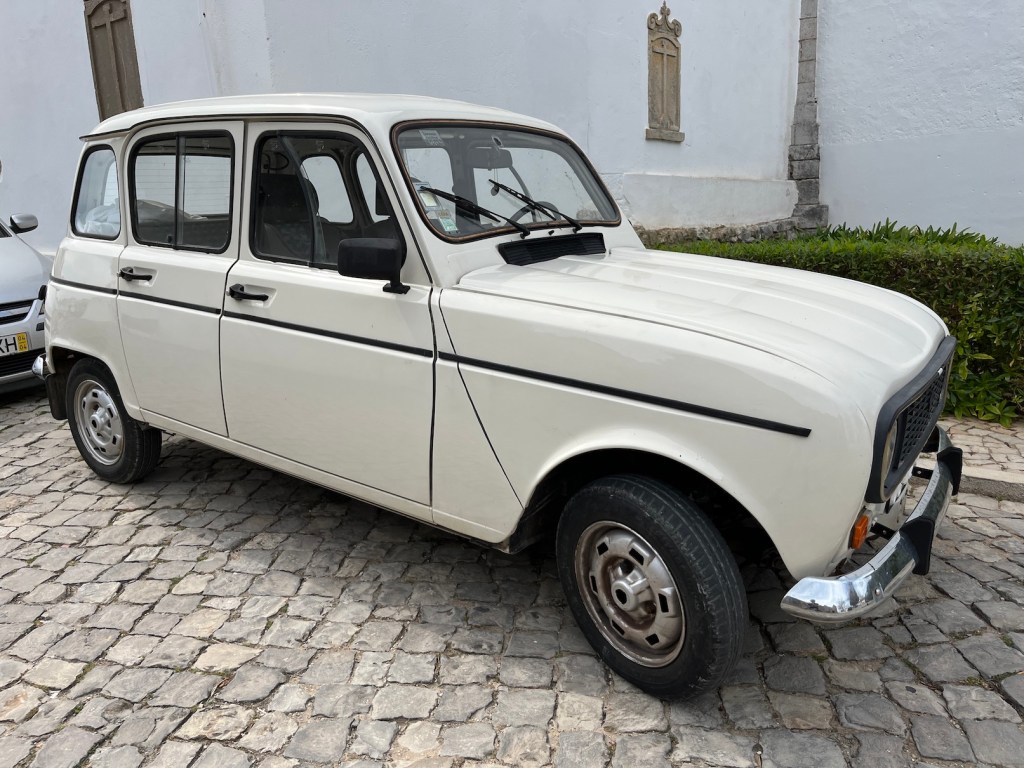
Dear Santa
Please put one of these Renault 4 GTLs I keep seeing all over Portugal under the tree this year. I promise to be mostly good.
Where anchors go to die
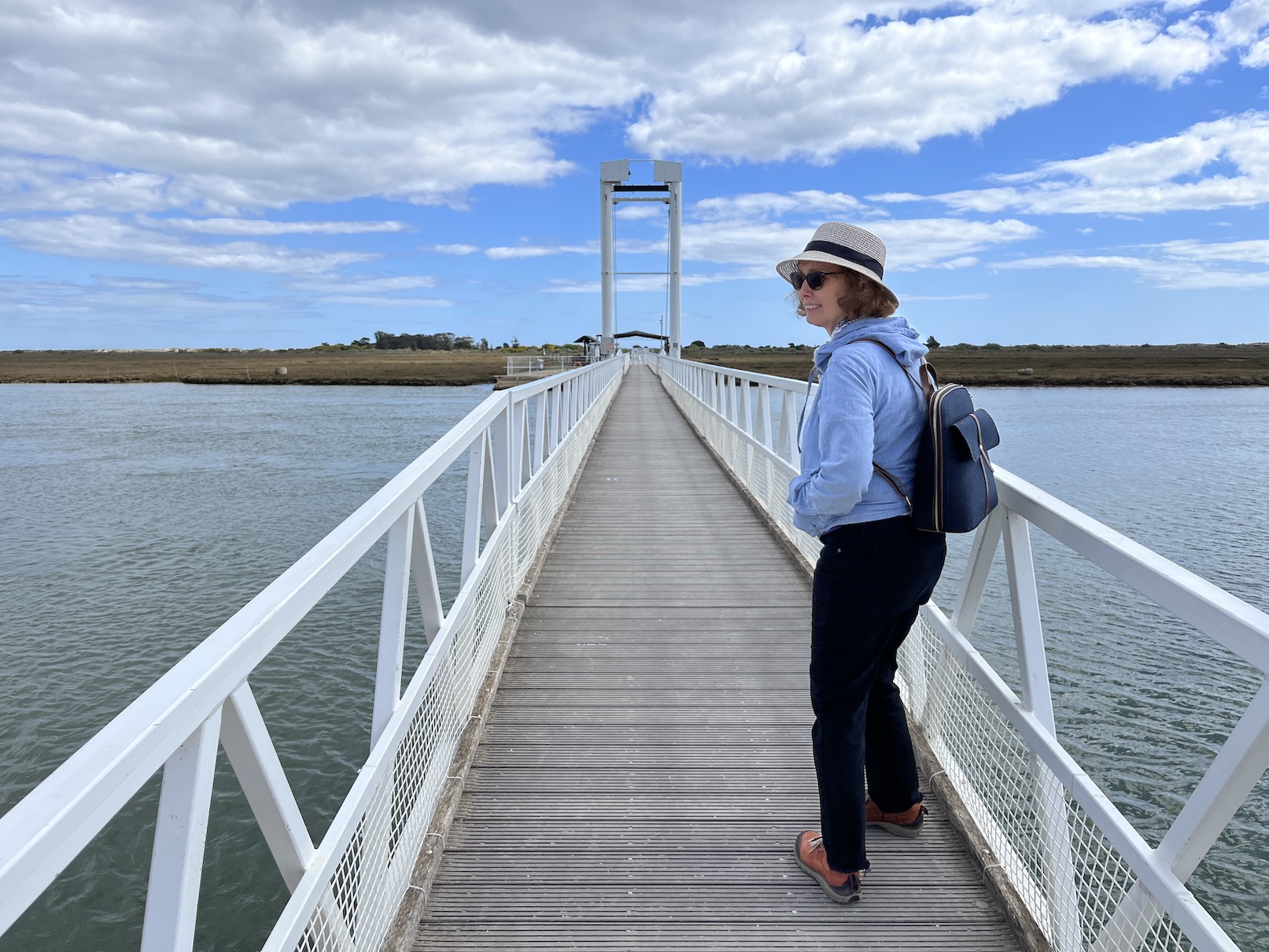
Escaping the old town, we find outer Tavira to be beautiful, peaceful, tourist-less. Just a mile or two outside the city center finds us in the subburb of St Luzia where we park the car and begin a scenic walk to Praia do Barril, the Anchor Cemetery.
We stroll over a bridged causeway before being delivered onto the main path parallel to train tracks, all the way glimpsing visions of desert and ocean via a vast marshland.
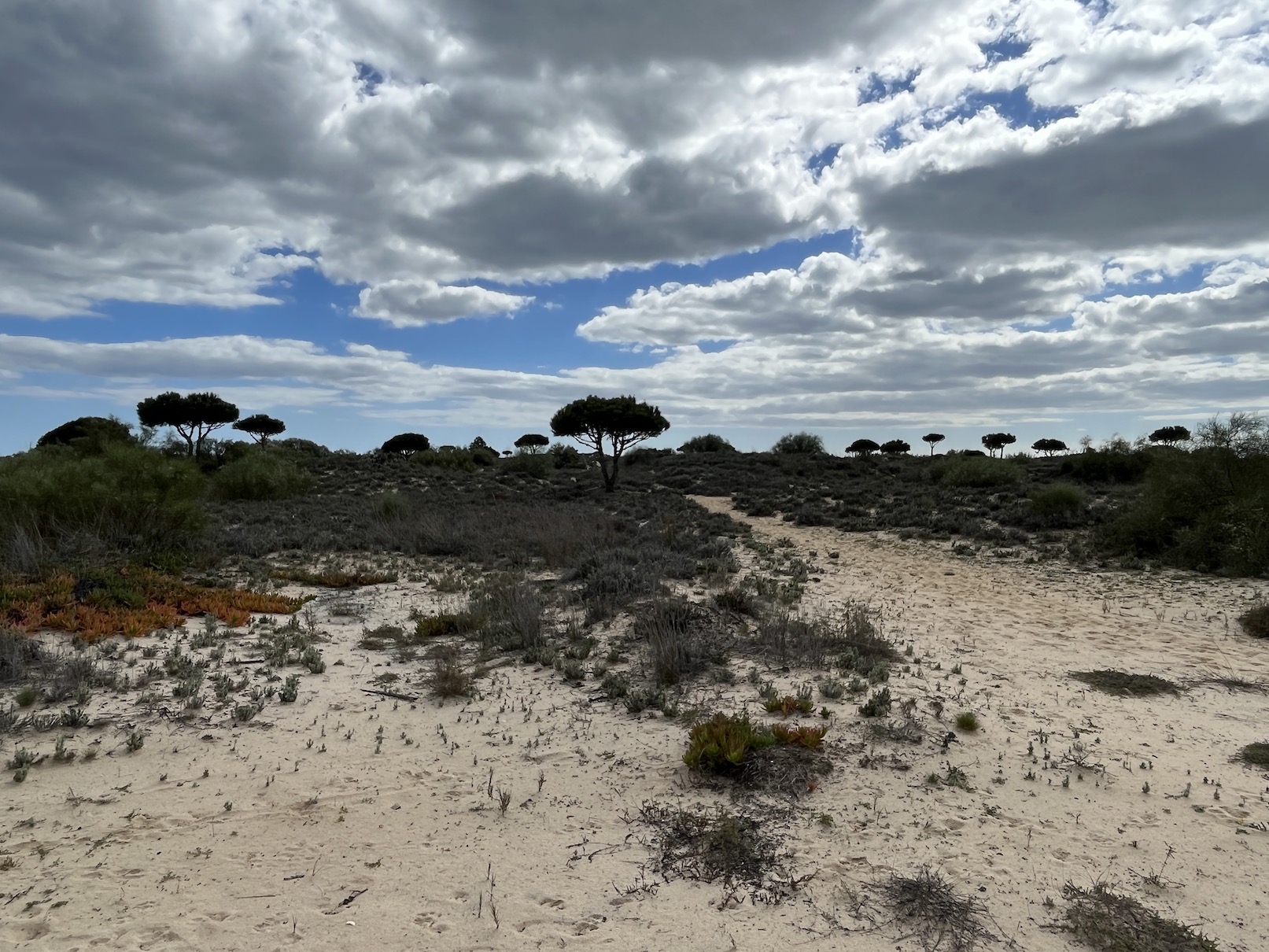
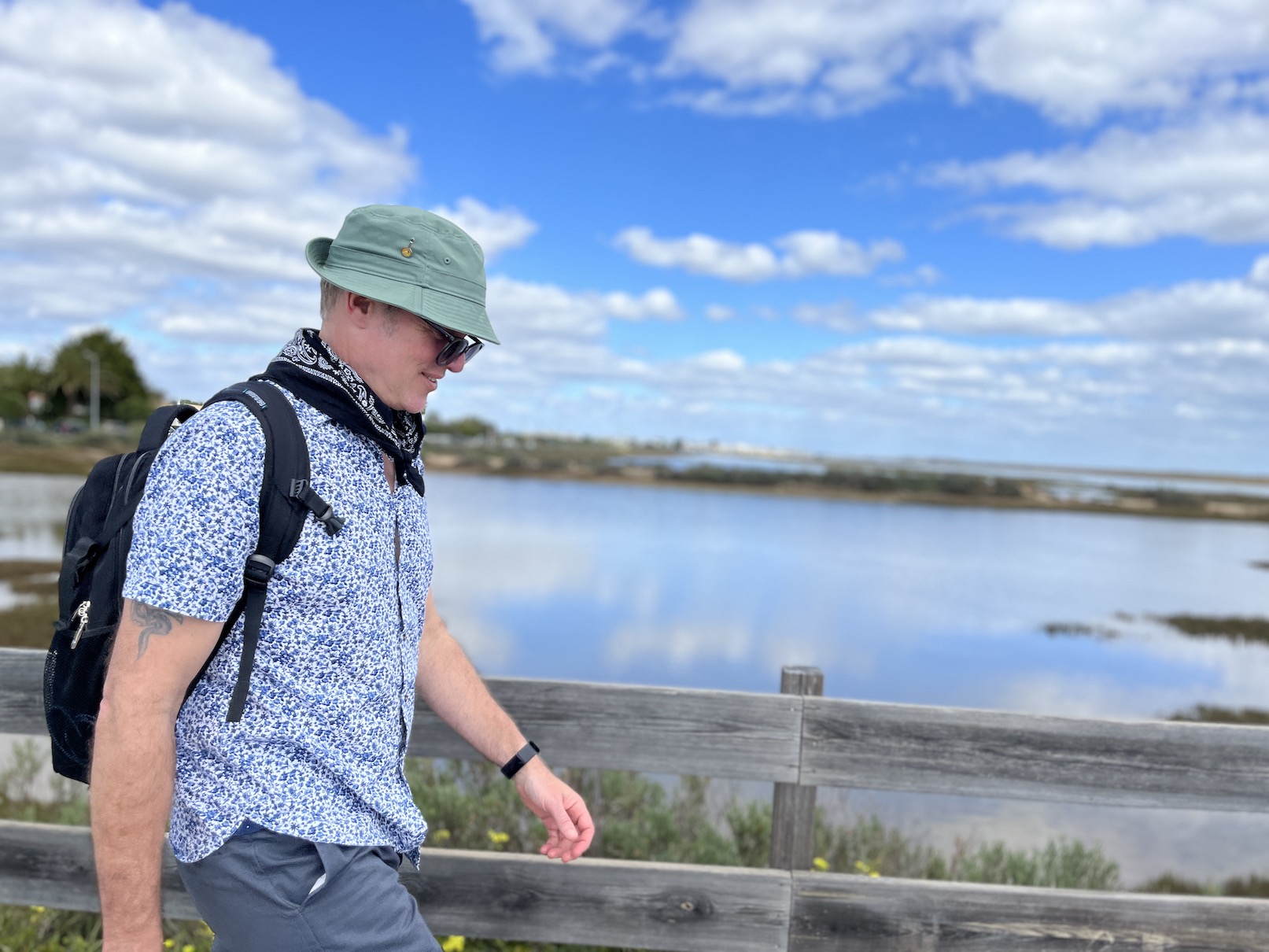
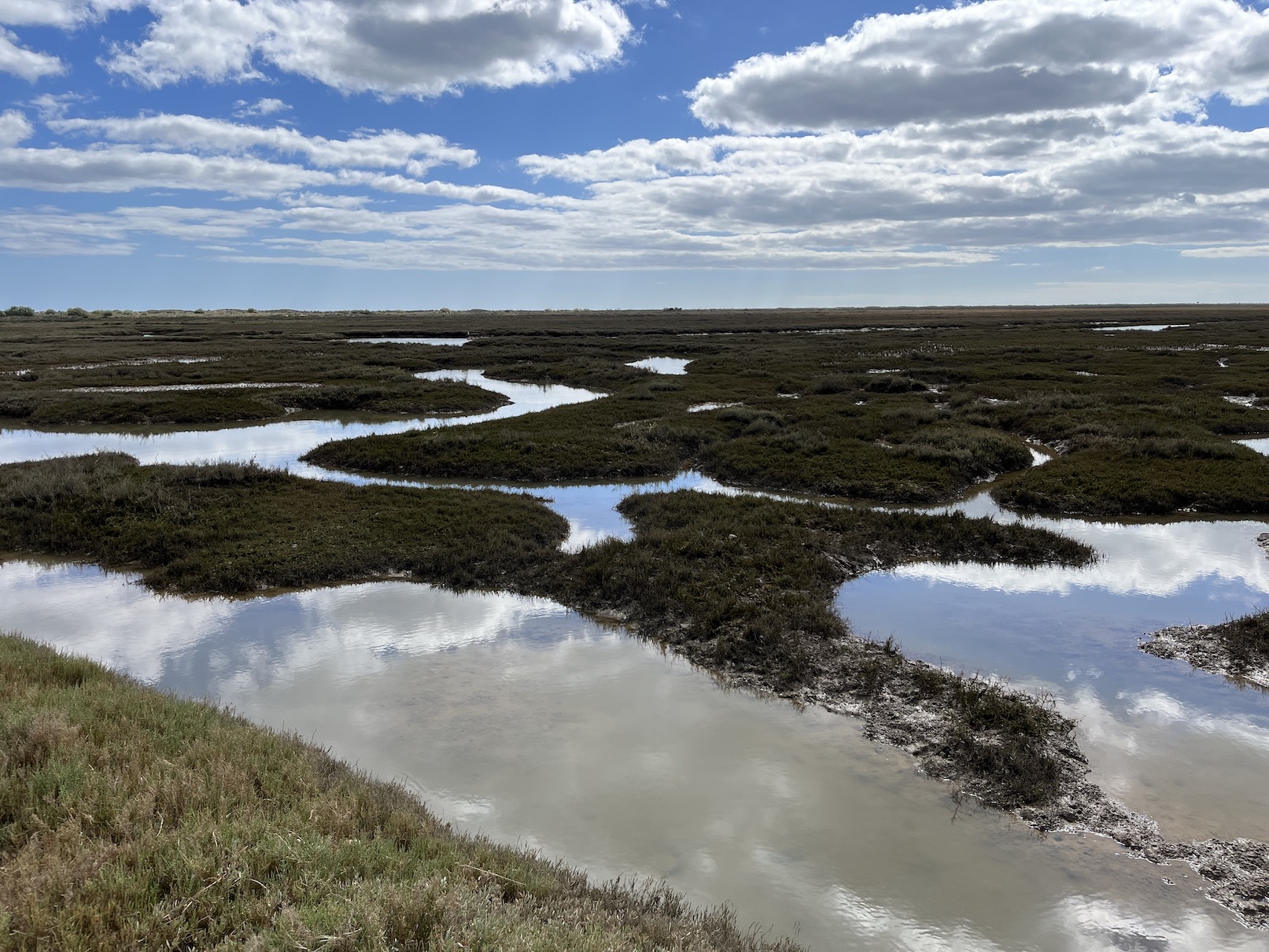
Our destination is another beautiful beach with a collection of anchors stuck together, half-buried in the sand. These massive paperweights were once used to hold down fishing nets back when this area was a hub for tuna fishing.
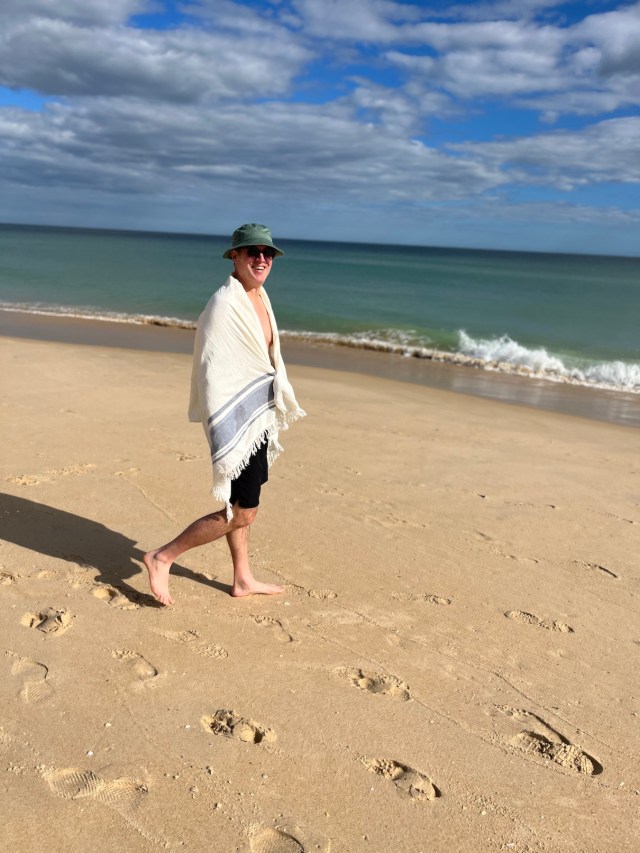
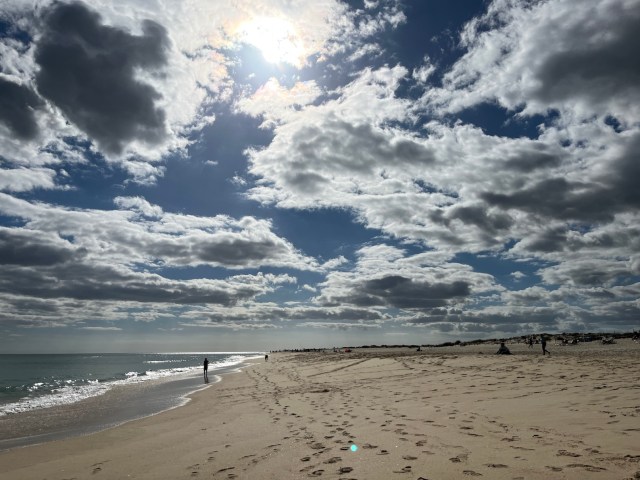
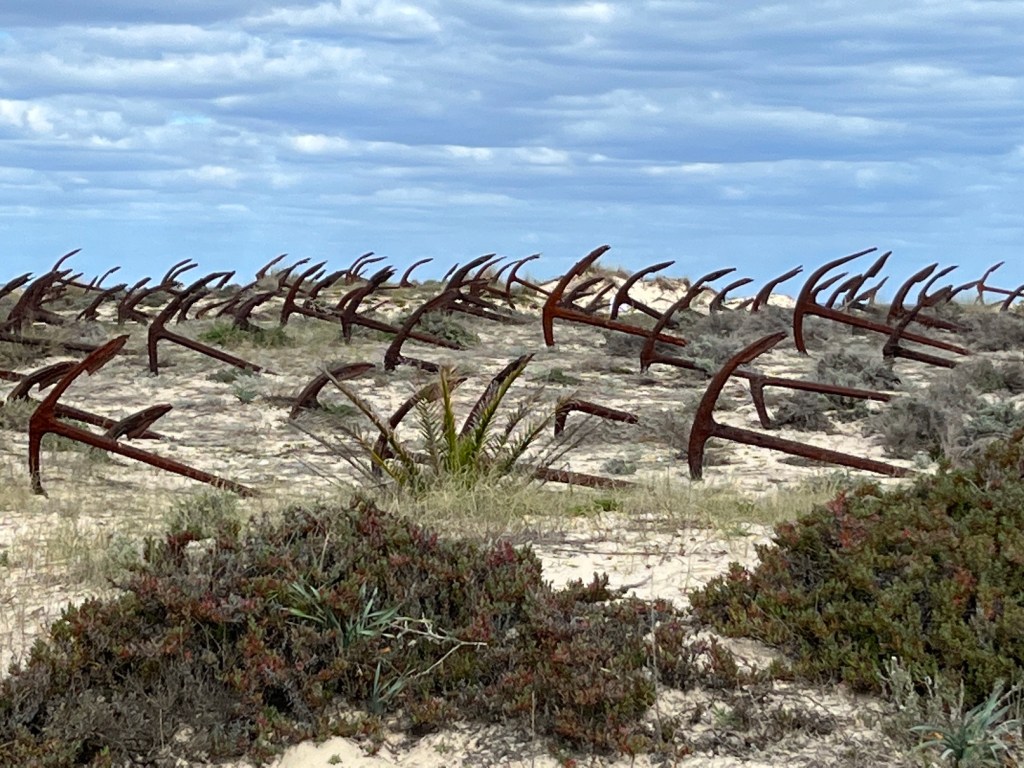
The sky is showing off again and the sea looks like it’s taking a nap so I tiptoe in and grab a dunk before it wakes up. Stasia and I linger and chase each other about with cameras. We’re so giddy by now – like so many river pebbles polished and shined by the water. Oh, Portugal, you’ve got us entranced, please be a kind master.
WTF
After strolling back from the beach, mellow as yellow, we get on the freeway to head to our next destination. I’m passing someone and as I move to get back into the flow-of-traffic lane, I notice a motorcyclist coming up behind us like a rocket. He must be going twice as fast (like 130 MPH). It’s all I can do to get my ass out of the fast lane before this death angel roars past – DOING A FREAKING WHEELIE at subsonic speed – and the wheelie goes on, unlevelled until he’s disappeared in the distance. The sound of his engine was so loud and the visage of his stunt so extreme, our hearts skip two beats and Stasia sums our feelings up, exhaling a slow motion “FFFUUUUUUUCCCCCKKKKKKK!”.


 The Itinerant Three TnTs
I have to say everything looks so clean! And even though everything there is âoldeâ, there seems to be no paper or leaves (or dirt) congregating in doorways. Itâs really refreshing. Do you ever see old bent ladies out sweeping? And the tile is too much! I knew the Portuguese used brightly colored tilework so itâs nice to see so many examples. Using tile alleviates the need to paint and repaint your place I guess. It seems the cobbled streets last forever. They must be hundreds of year old and still look great.
LikeLiked by 2 people
It is clean! No trash either. I don’t see sweepers but other than people not making messes to begin with, I’ll bet people take pride for their areas.
LikeLiked by 1 person