Relaxificationism
It’s a watershed moment in a vacation when you can spend a whole day in repose, unhurried and unworried about ‘getting it in’. Our stay in Porto has struck a good balance – measured, but active – and today we’re going to chillax – a painting salon for Stash and a reading/writing day for yours truly. We need to top off our batteries and allow time for the absorption of our previous adventures.
A danger of travel is that we see things at the wrong time, before we have had a chance to build up the necessary receptivity, and when new information is therefore as useless and fugitive as necklace beads without a connecting chain.
Alain Botton, The Art of Travel
There will also be a double-backpack laundromat expedition which will result in my having an exchange of single-word observations with the diminutive elderly woman folding her clothes next to me. She smiles in a shy, cute fashion and it occurs to me that this is a travel memory for her too, despite it happening in her town during a routine errand.
Summoning the muse
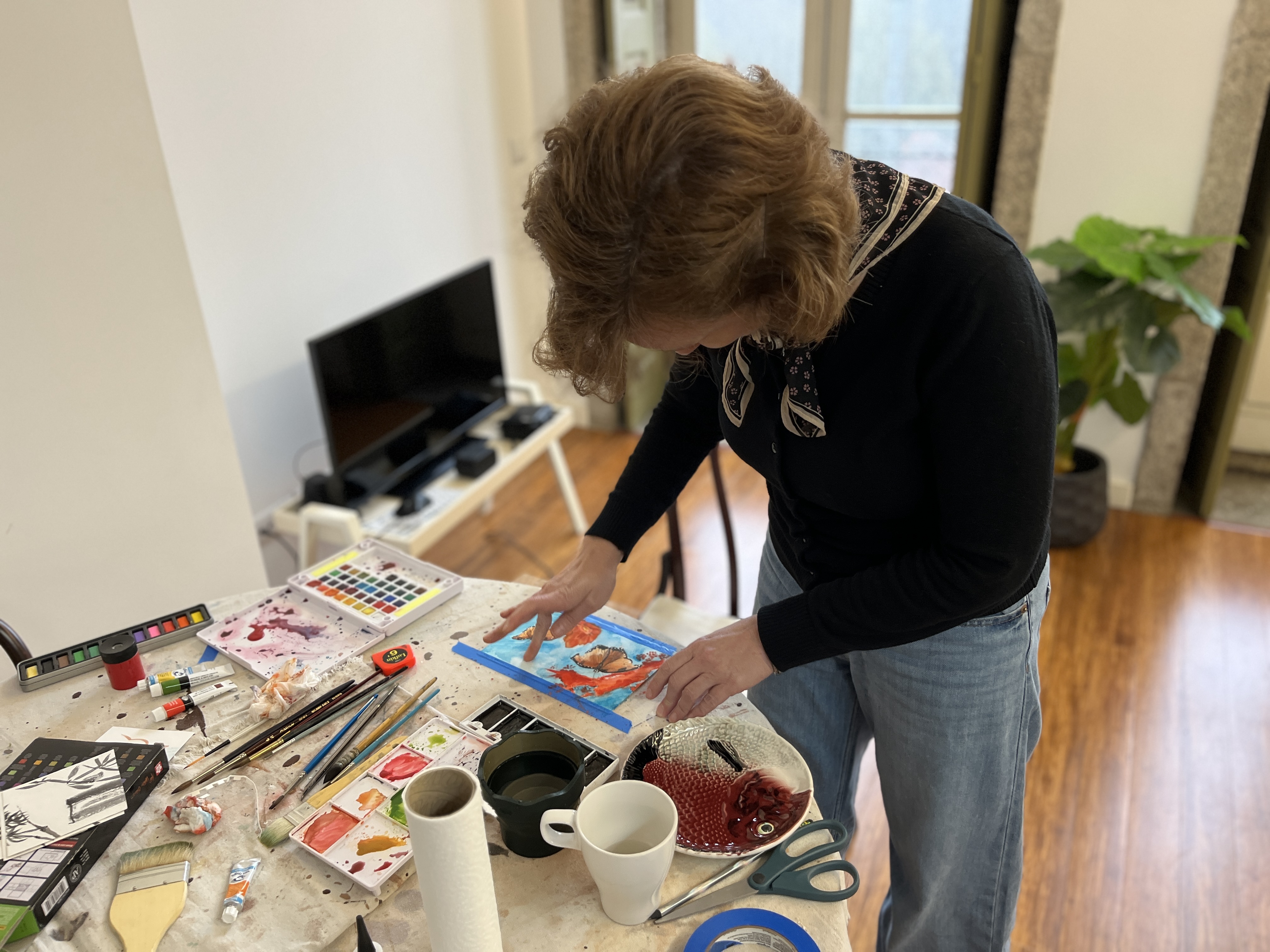
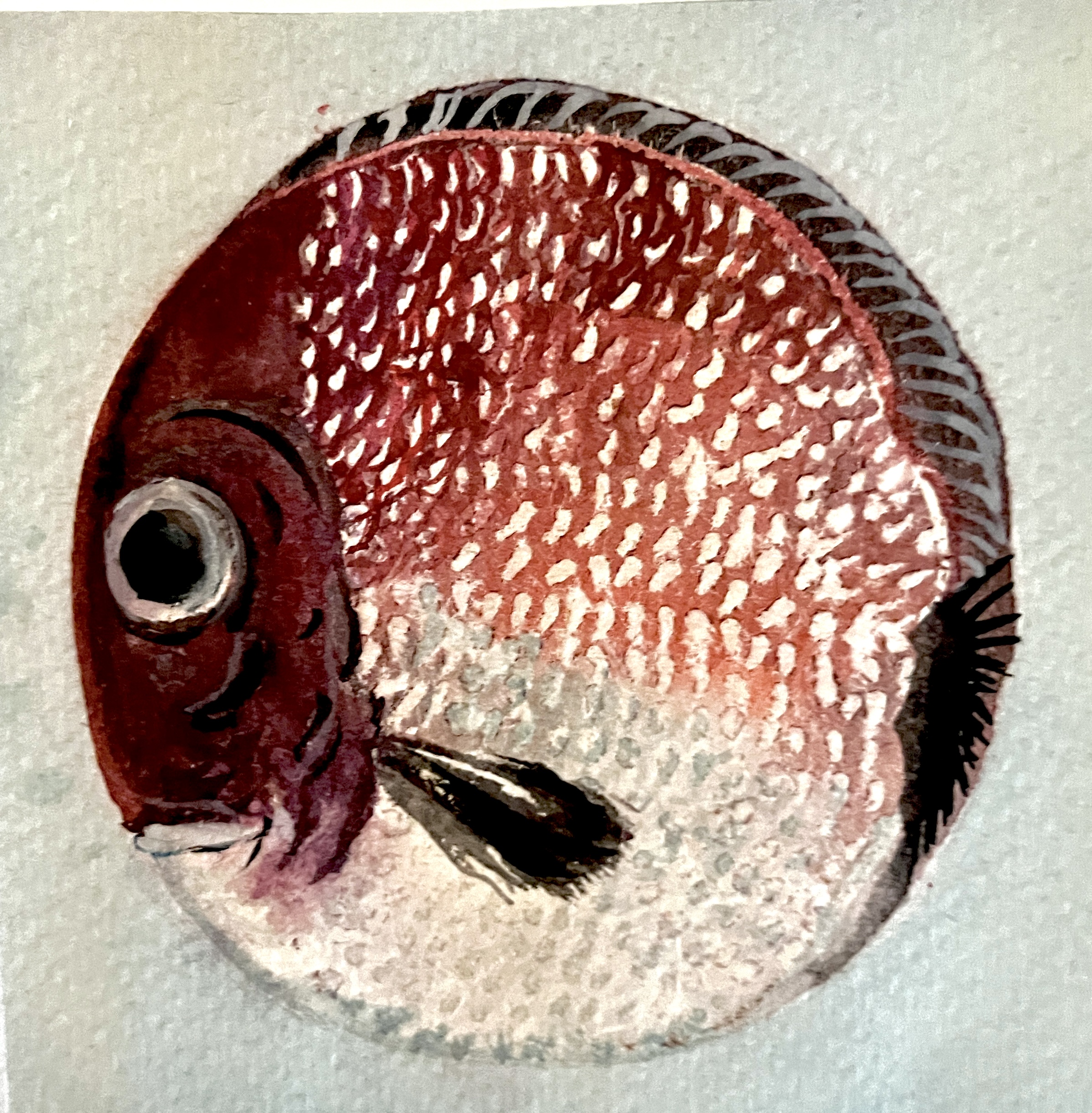
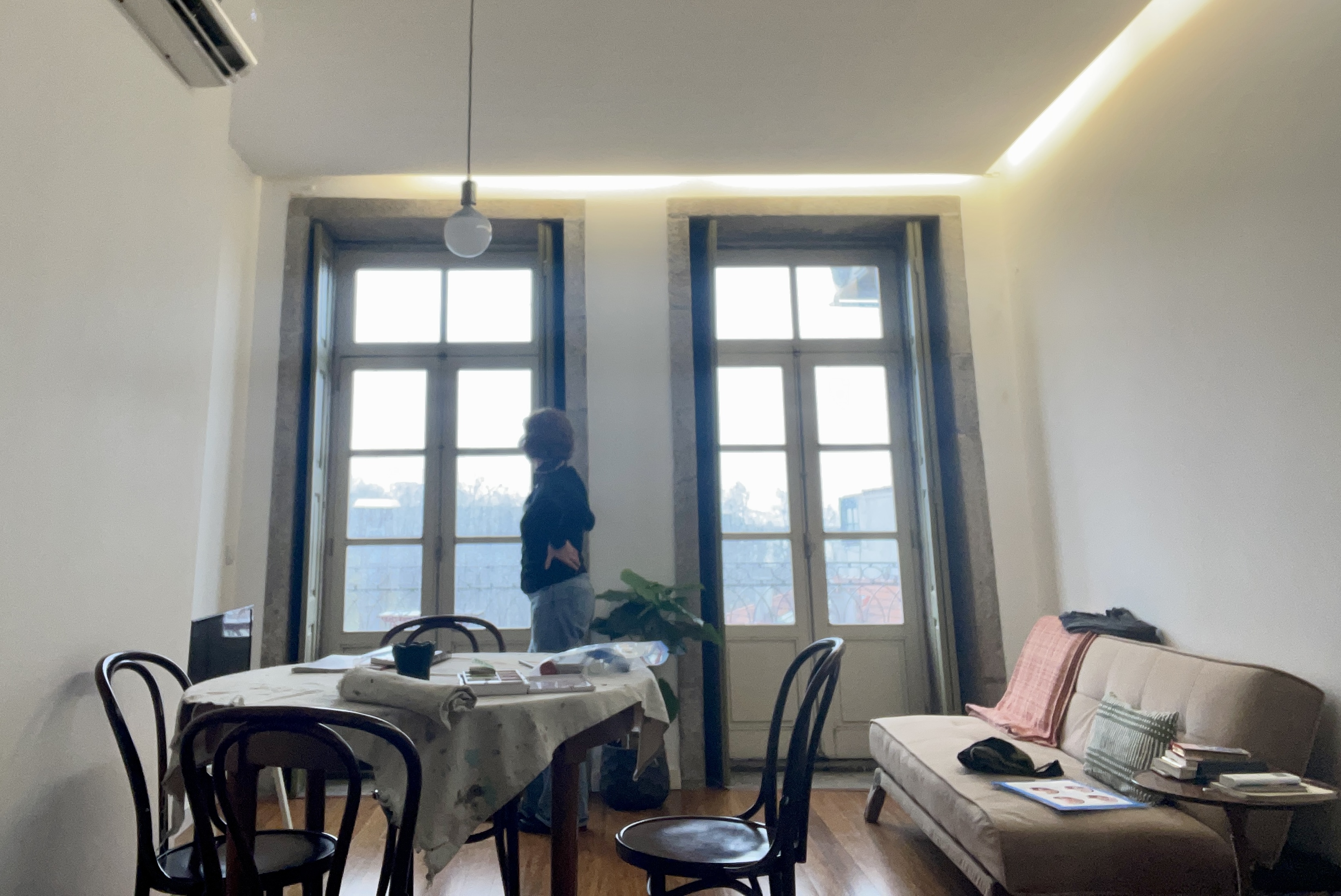
Starting a few days back, Stasia began to create the atmospheric mindset that would give her the headroom to paint. It’s not a faucet one turns on and off but more of a living energy – nurtured and cultivated. She’s primed the pump and is ready to channel her muse in the parlor, natural light flooding in from the french balcony doors and an eclectic soundtrack in the air.

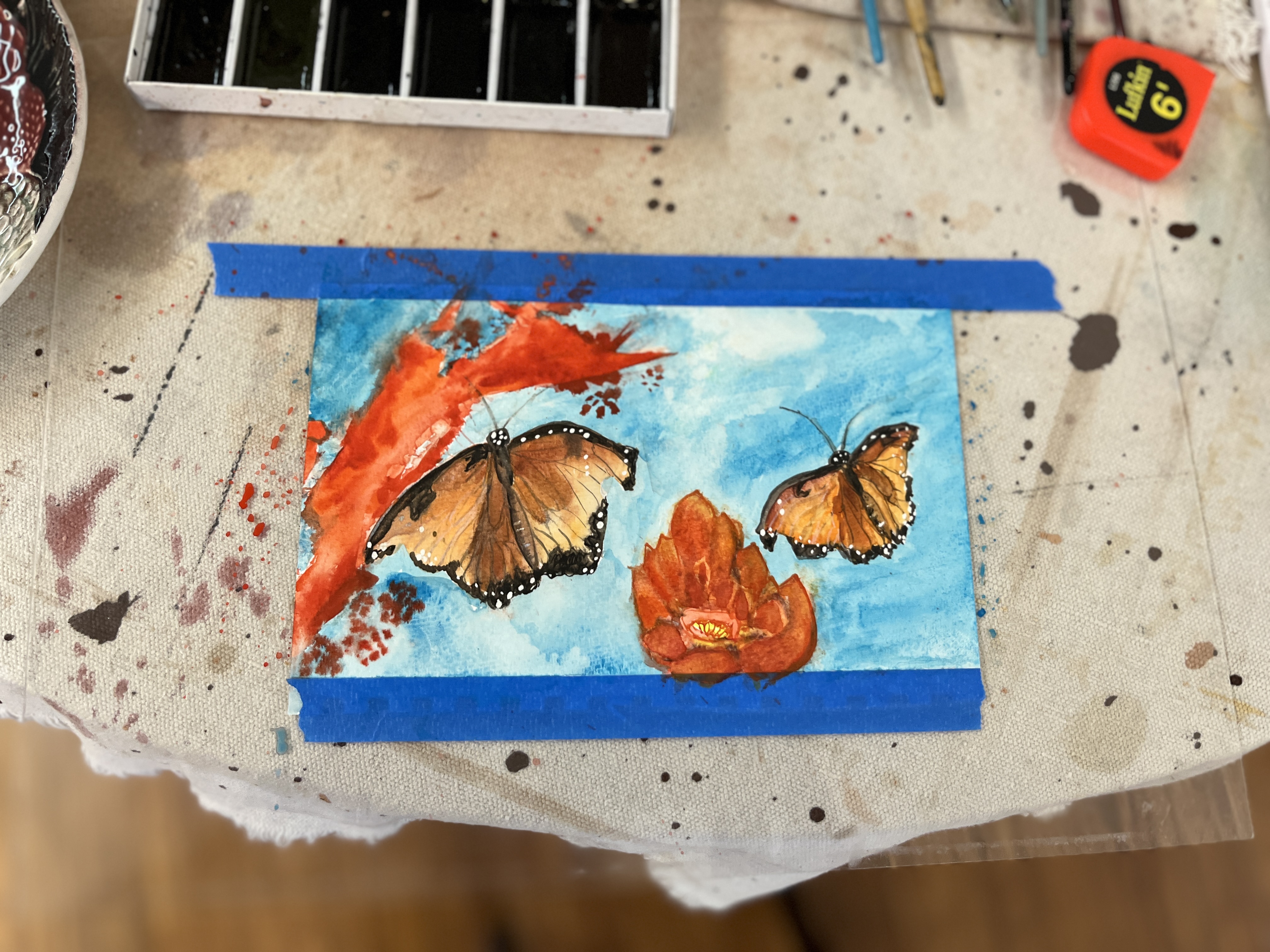
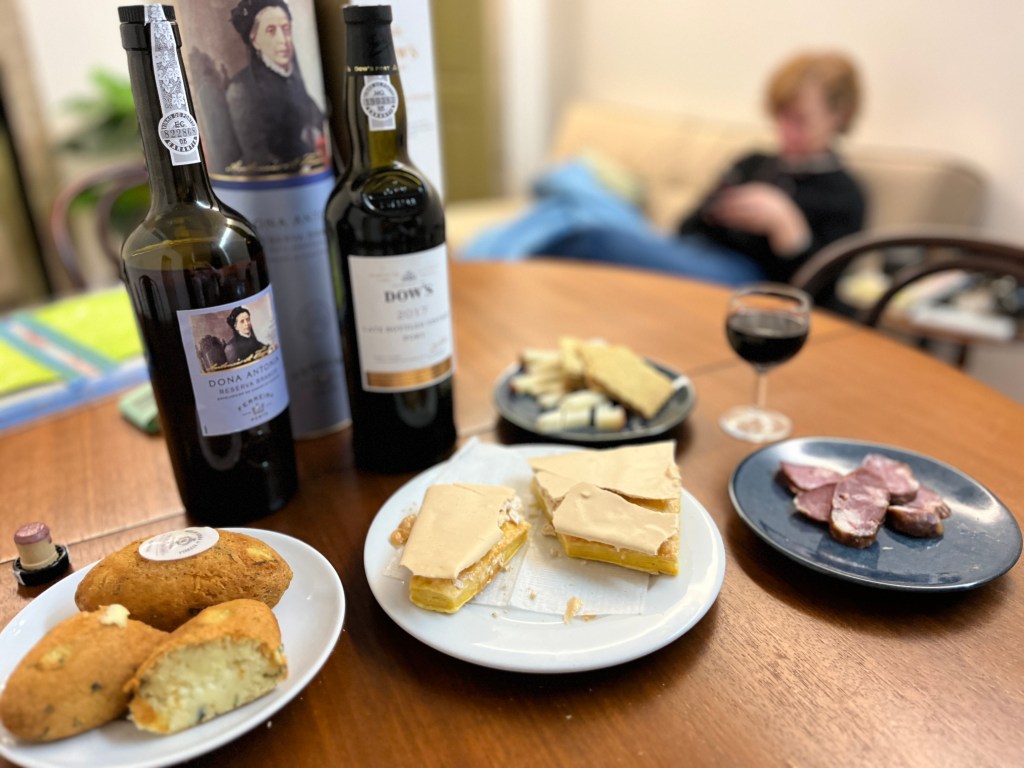
Never too early for a snifter of Dona Antonia
I’ve returned from my blustery, rainswept outing and am ready for a much-deserved respite. Good time to test my theory that this snifter of port and I would like to fall back through a reclining chair and into the Renaissance with Camôes as my companion. An ideal opportunity to inhabit the tiny solarium accessible through a hallway window.
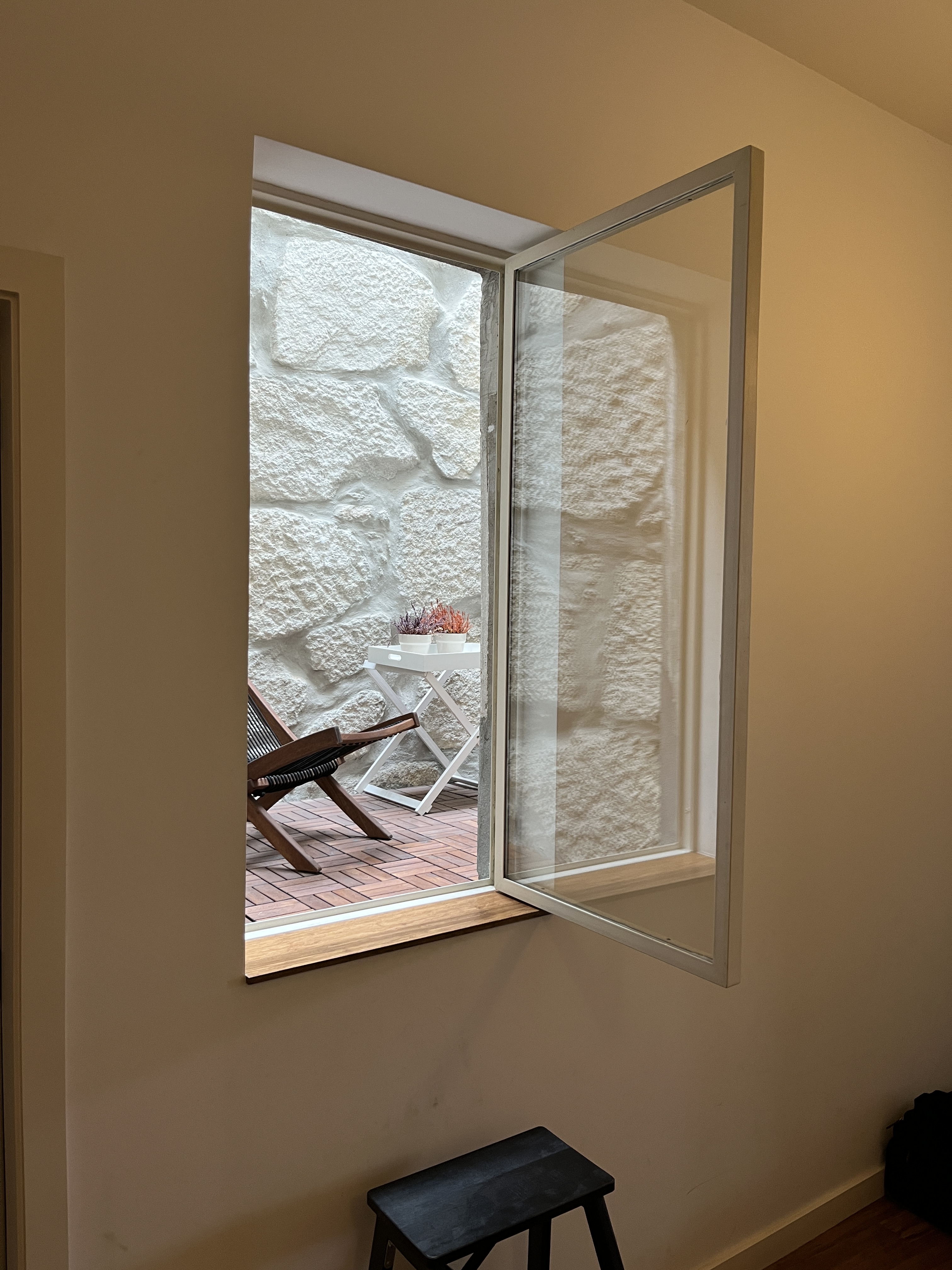
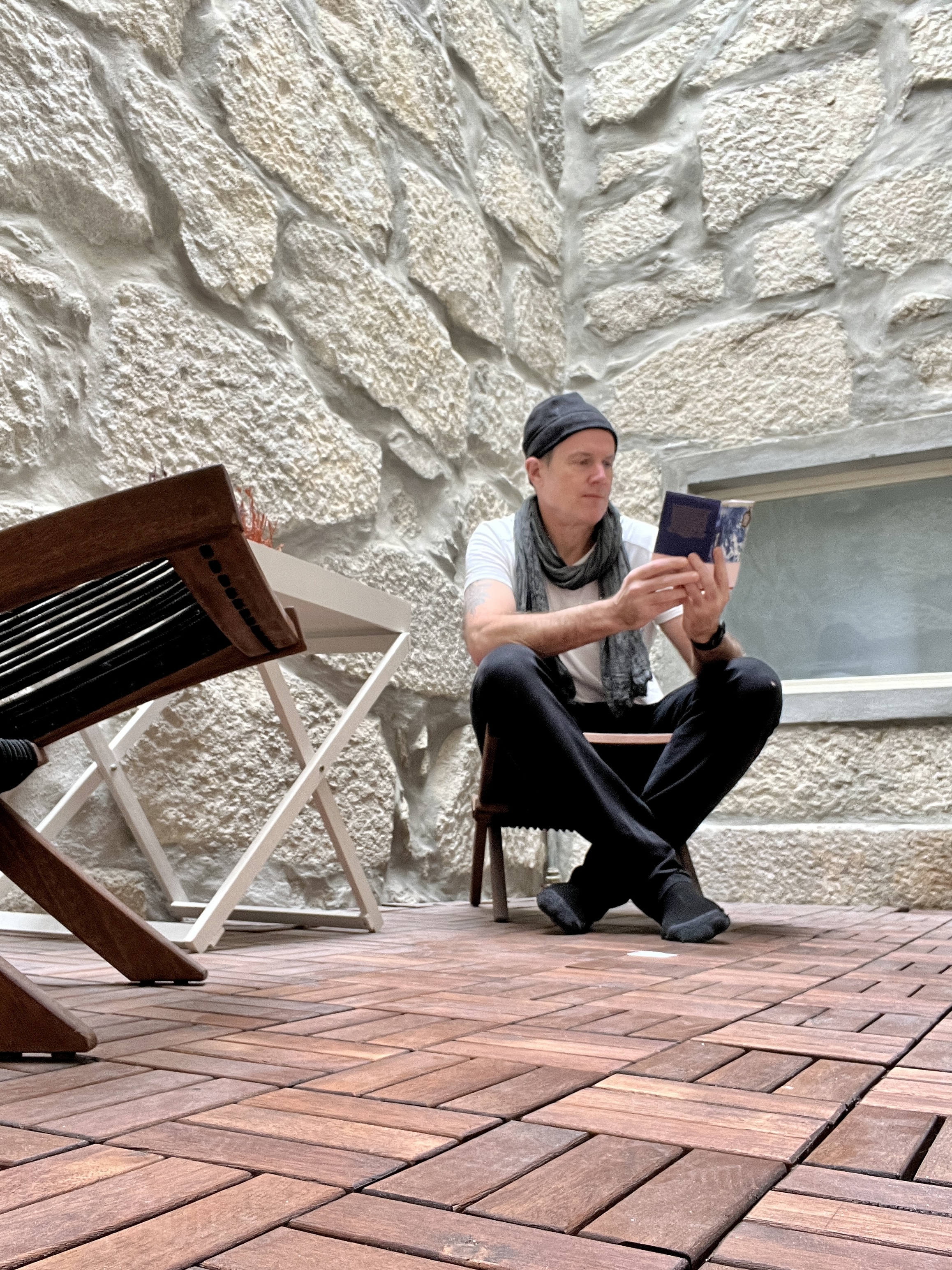
We while away the afternoon, the three of us, savoring the slow, languid hours. It’s not a quick task to calm the mind when it’s so constantly stimulated. Some patience and quiet time helps quell the mental agitations, allowing them to settle below the tranquil, clear expanse of the you.
A Little Eiffel
Pioneer of aerodynamics
Little Eiffel, The Pixies
They thought he was real smart Alec
He got big and they called it a phallic
They didn’t know he was panoramic
Little Eiffel, Little Eiffel
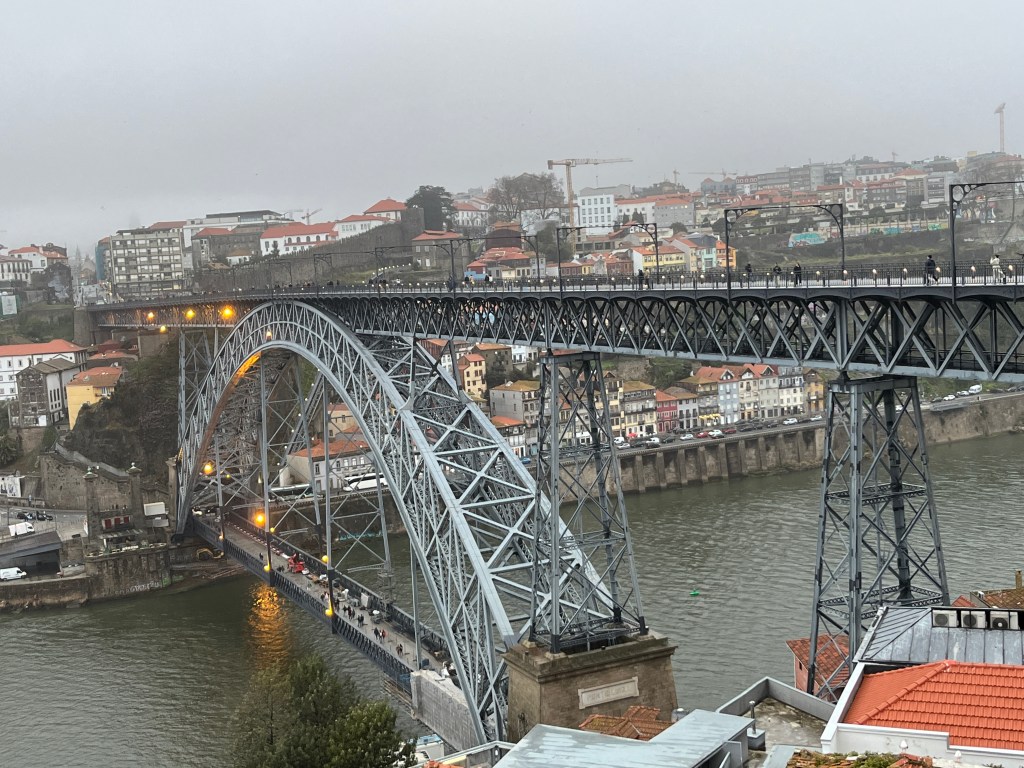
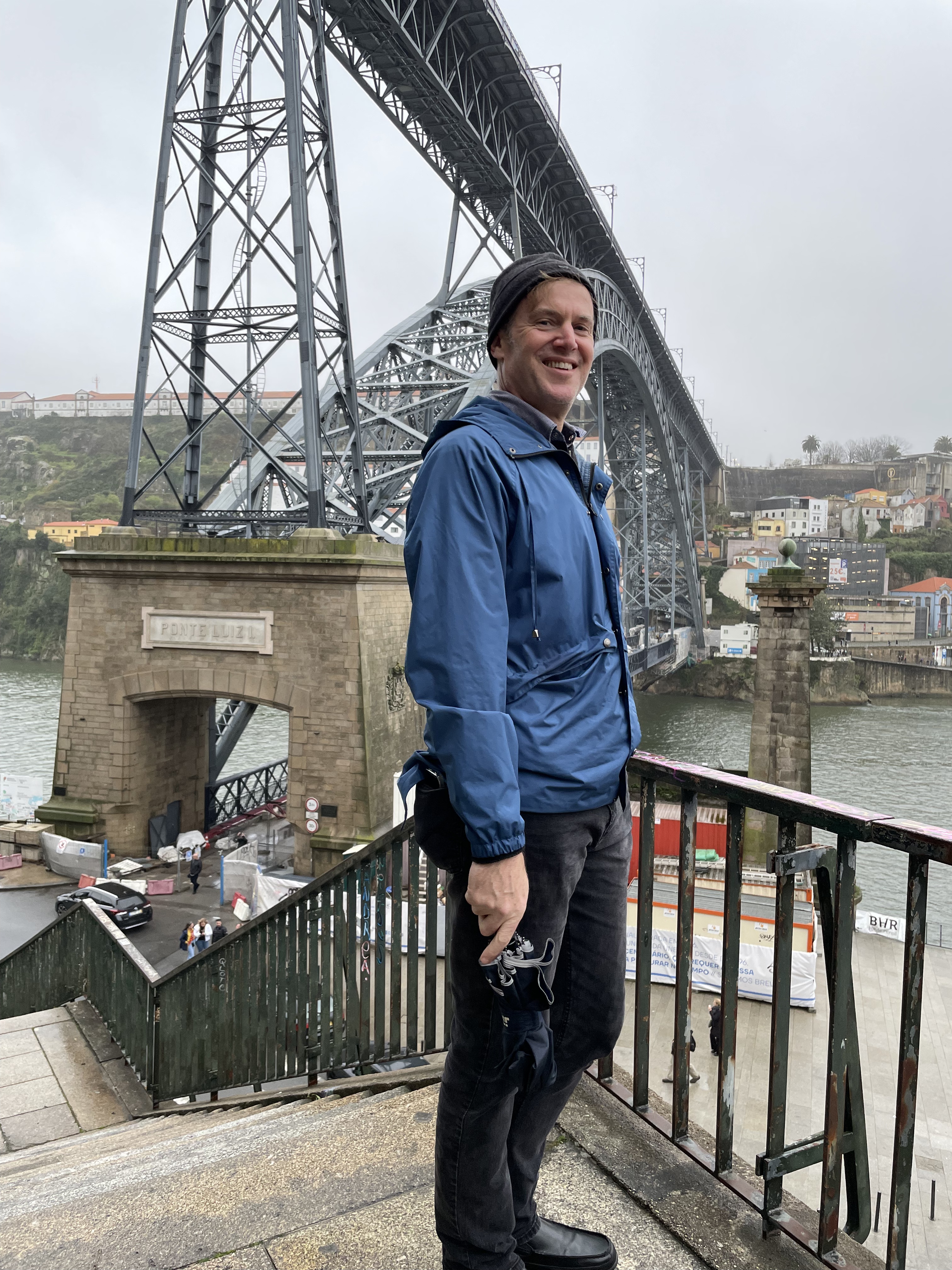
With a main event scheduled for later tonight, it would be nice to stretch our legs. We’ve been wanting to cross the iconic Ponte de Dona Maria Pia bridge, designed by Gustave Eiffel, that connects Vila Nova da Gaia with Porto. It’s getting close to sunset so we beckon an Uber and serpentine our way to it.
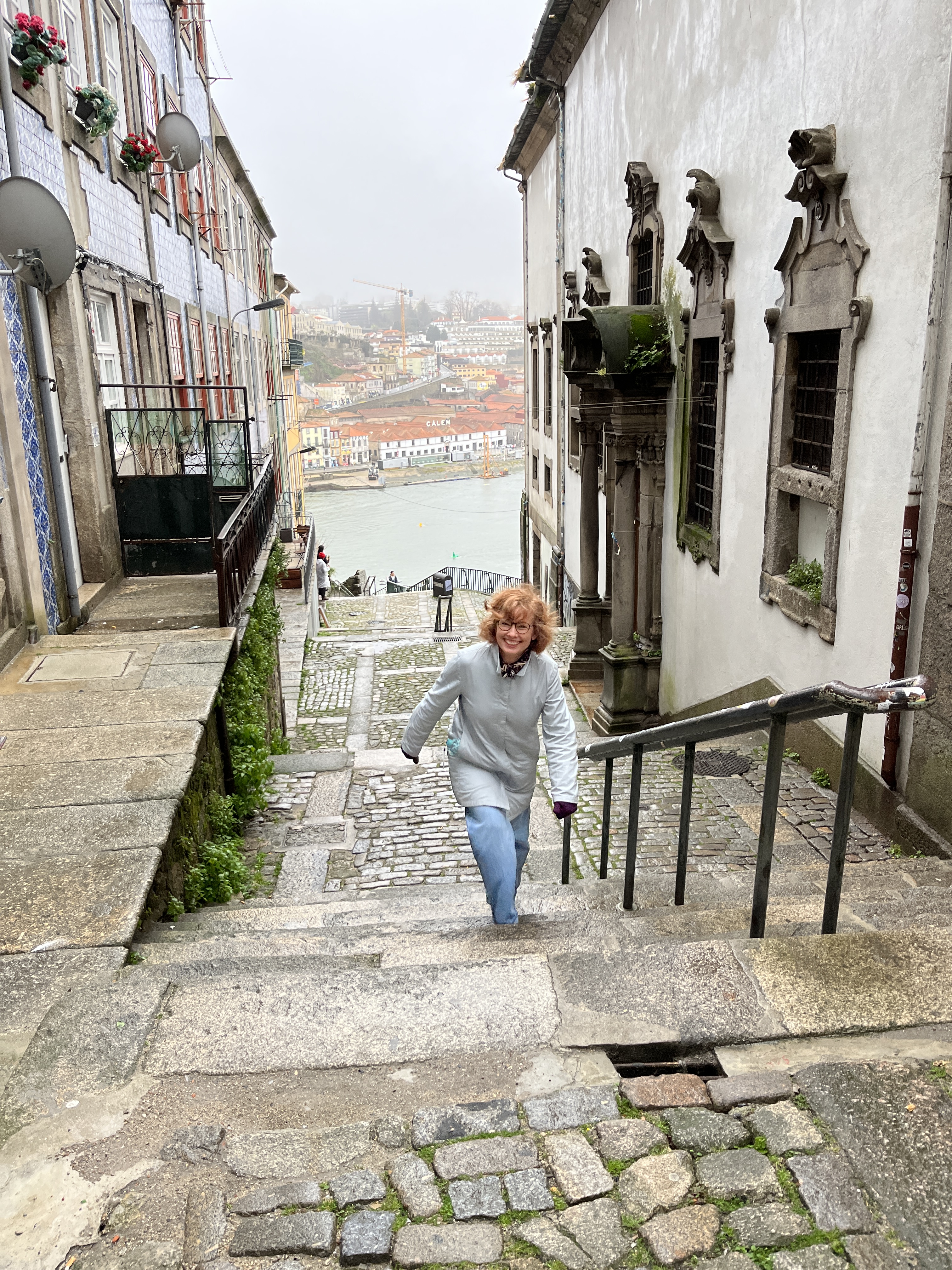
We observe it has two spans: the one in front of us (lower) and the one way the heck up there. Nothing gets the ole ticker pumping like stairs, lots of stairs, and these are some of the most scenic we’ve experienced. With the Douro river and distant Gaia on one side and thousand-year-old stone houses on the other, we hardly notice the effort.
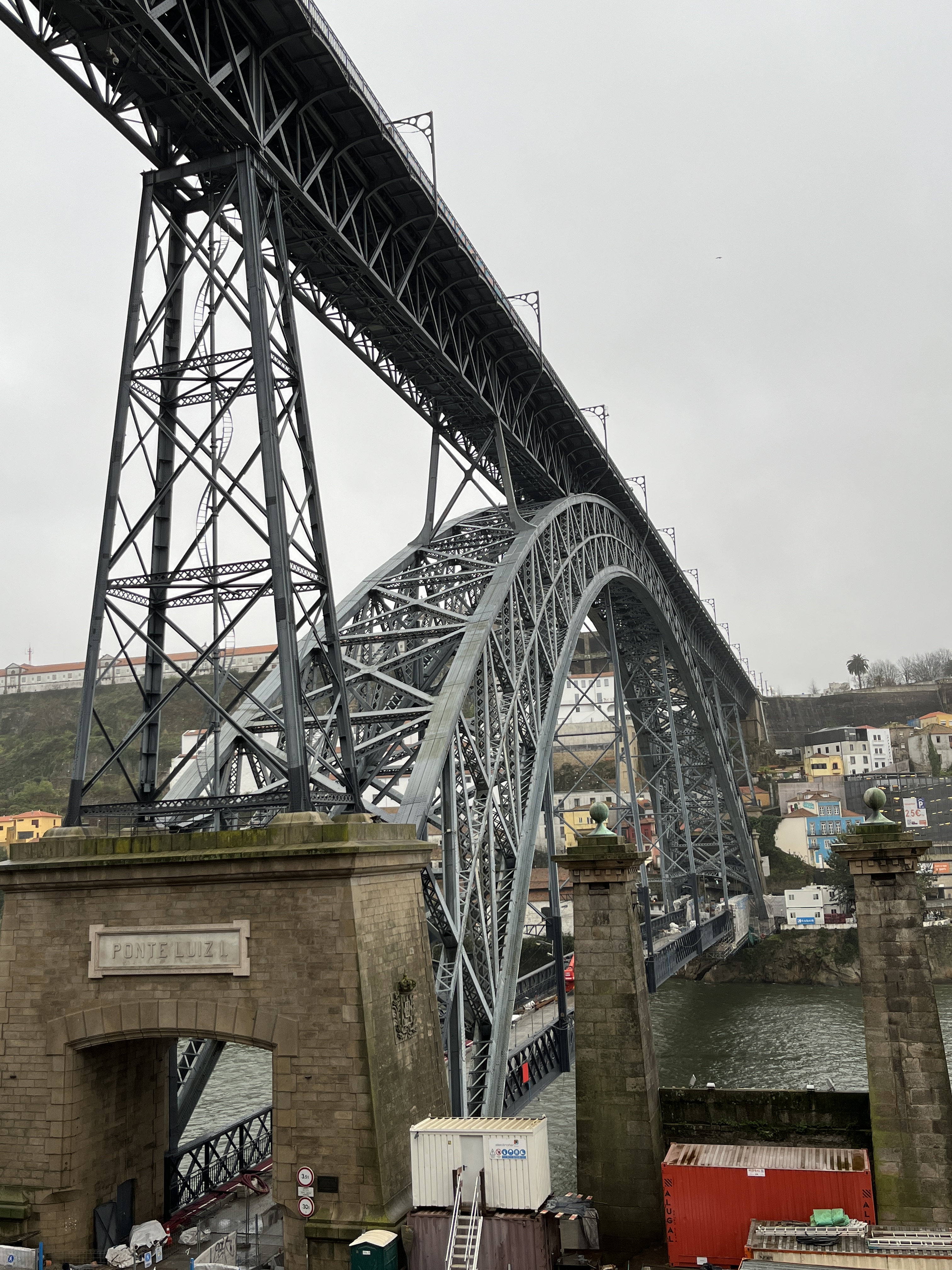
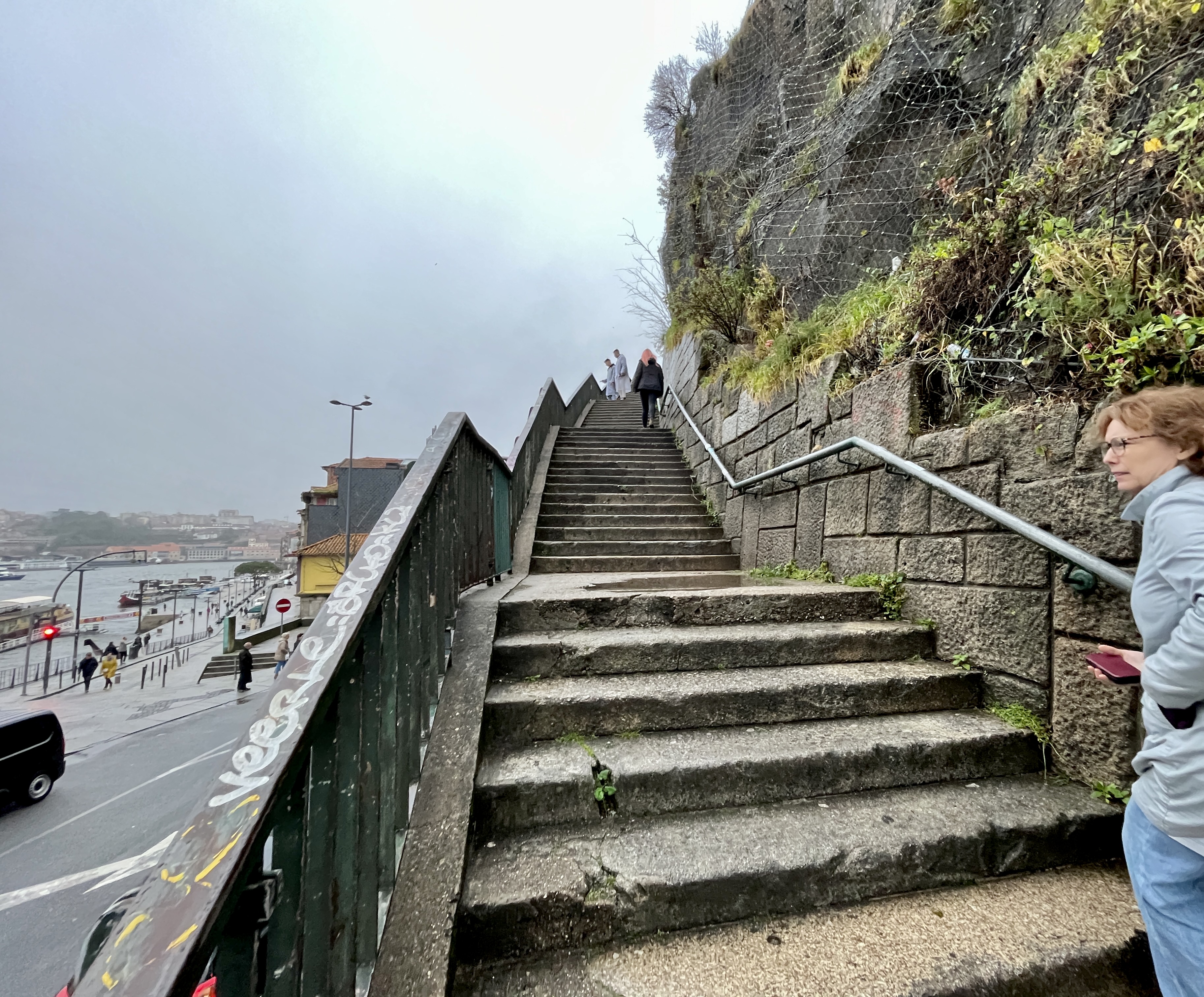
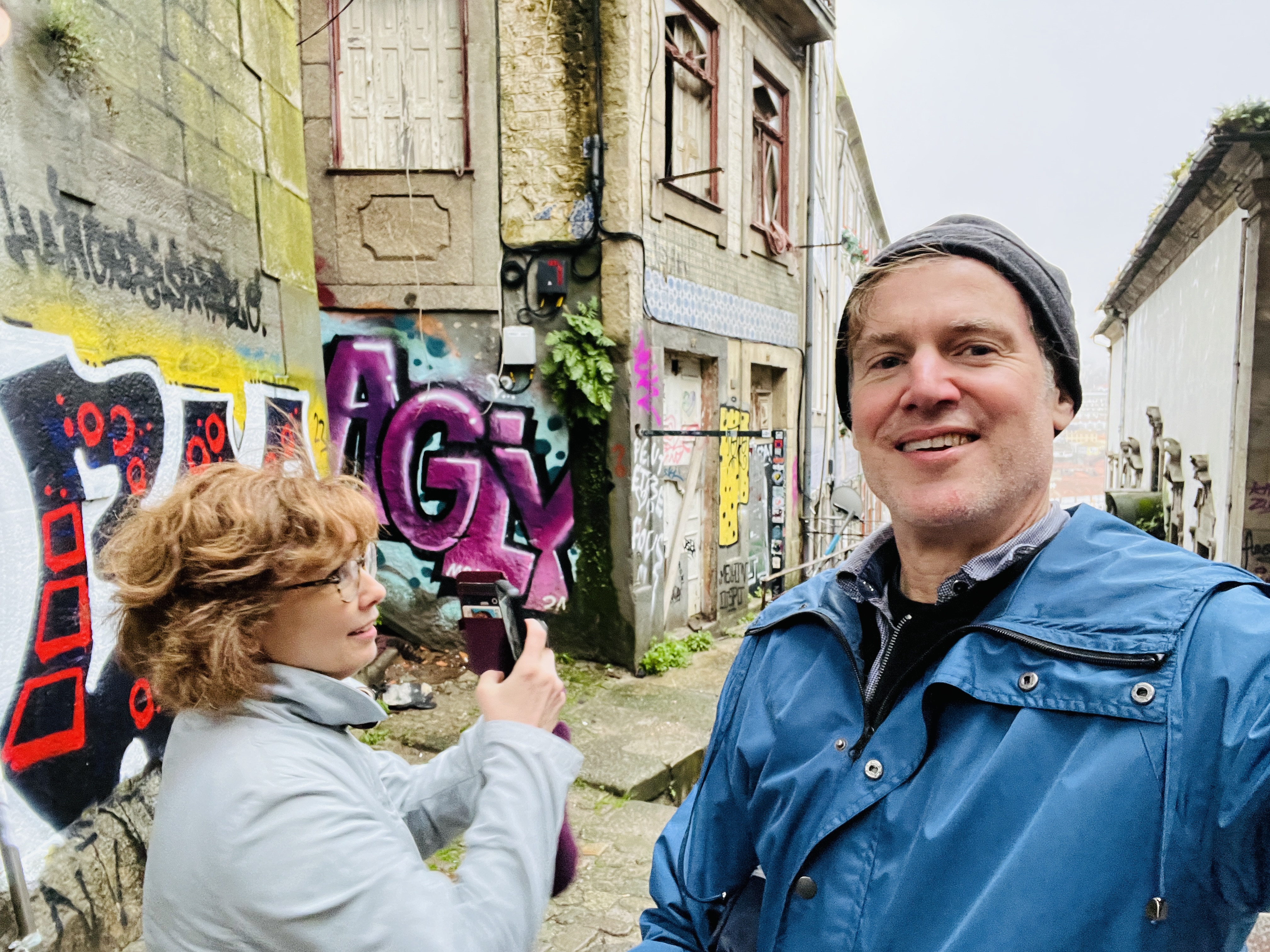
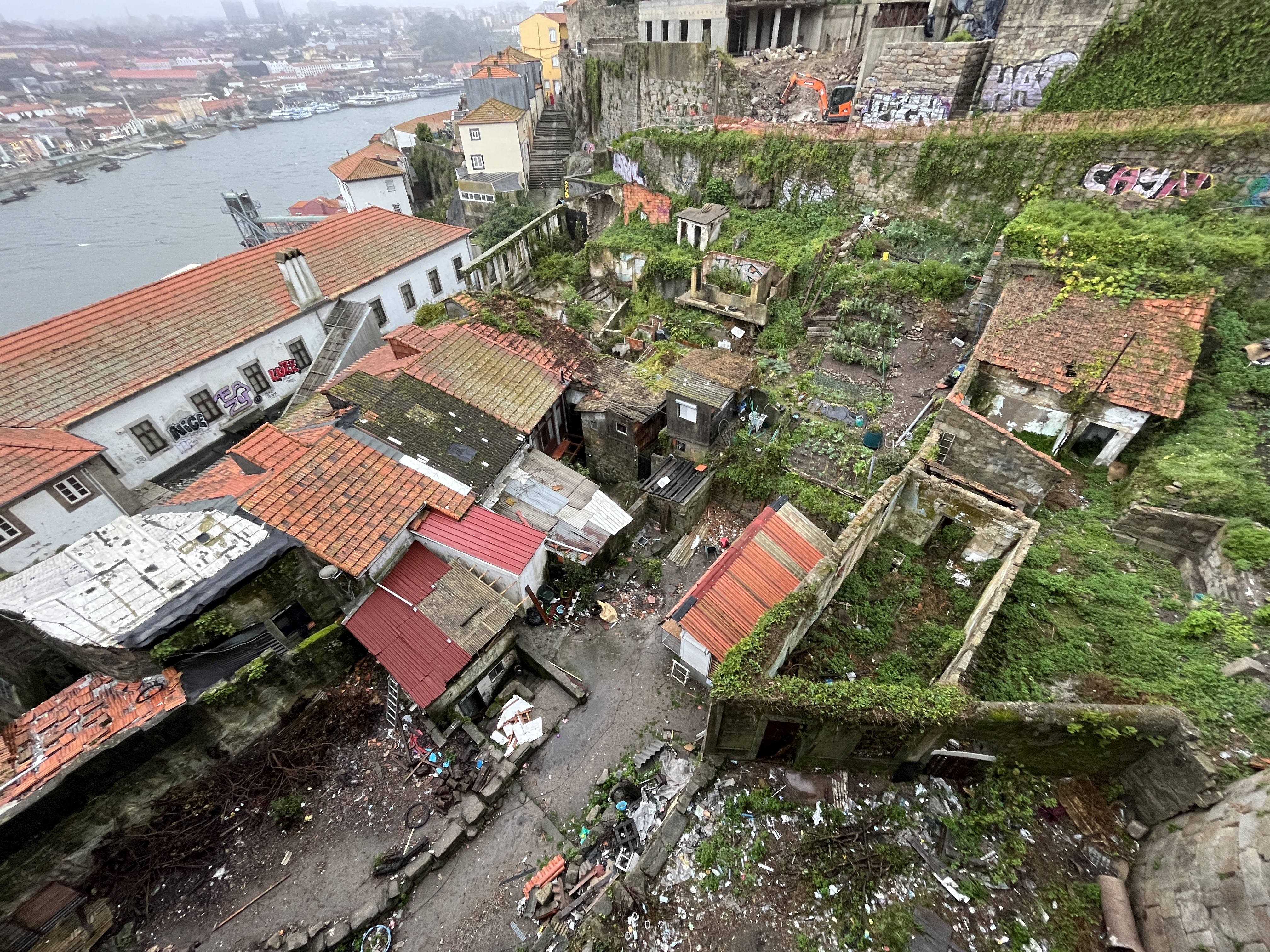
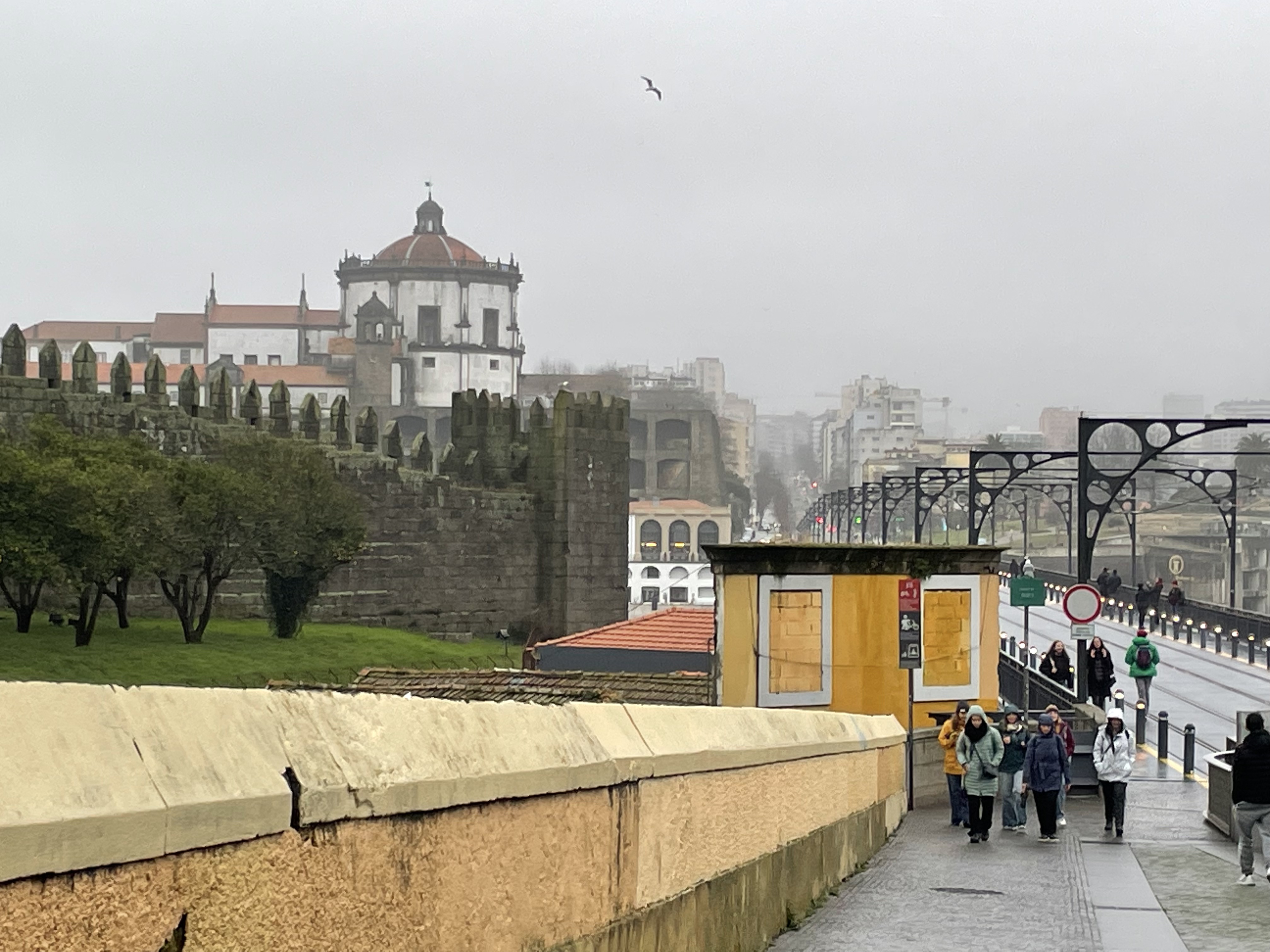
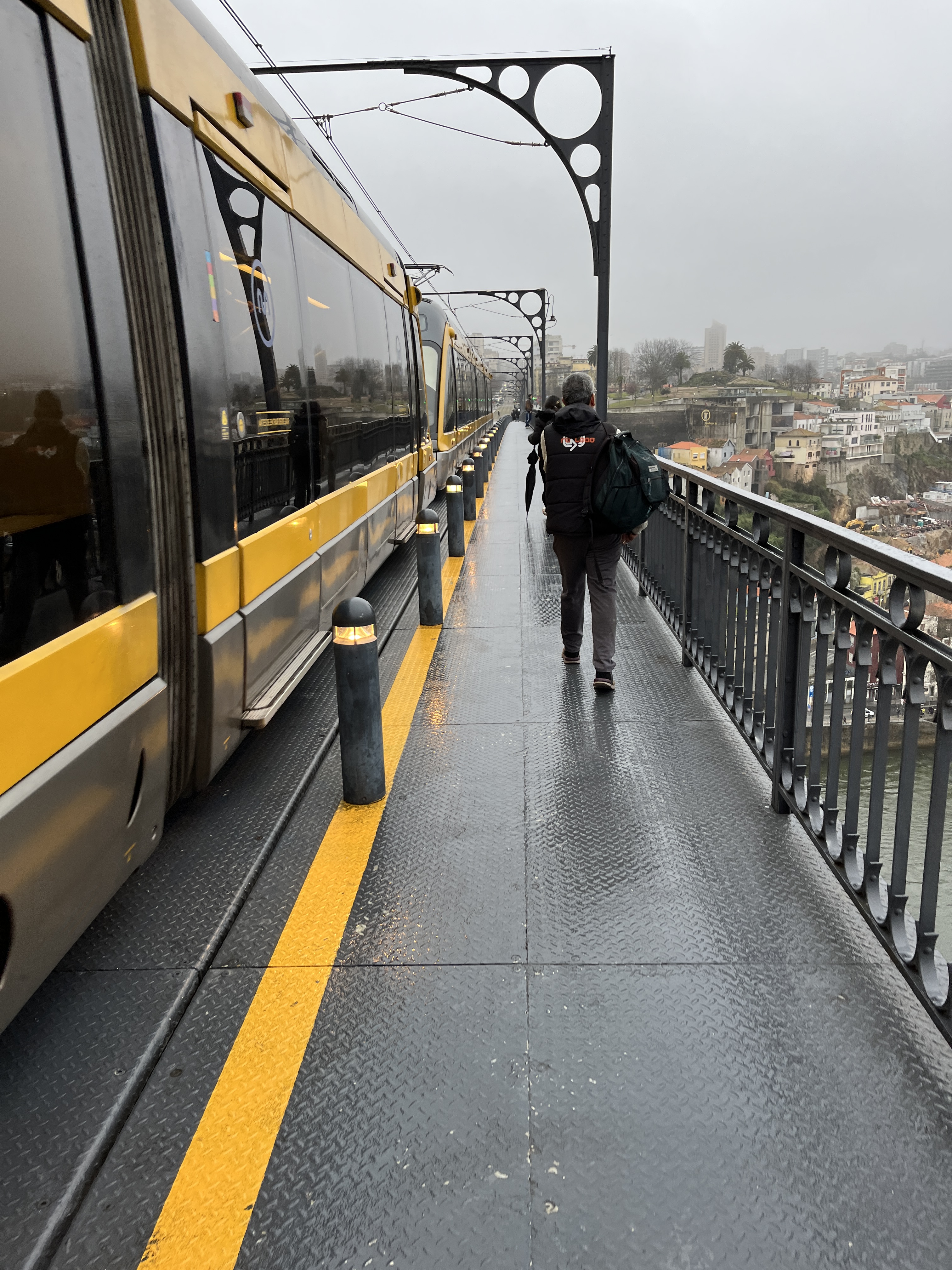
The top level of the bridge is pedestrian/tram only, and I observe the only thing separating you from the passing trains are some small posts about 6 feet apart. No rails, no ropes, no warning signs. It’s almost as if they trust people to use common sense. It’s an amazing concept we should try in America someday.
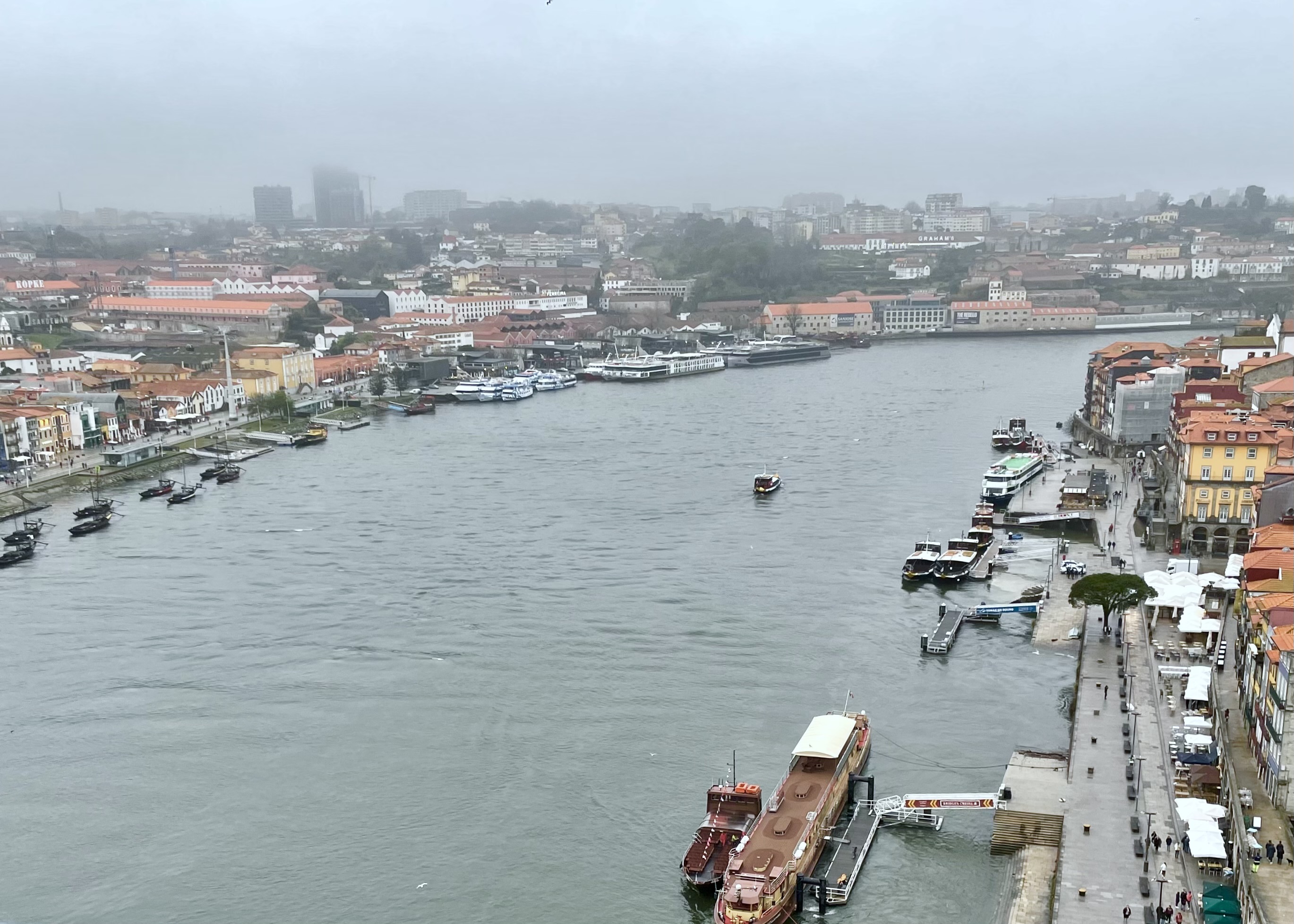
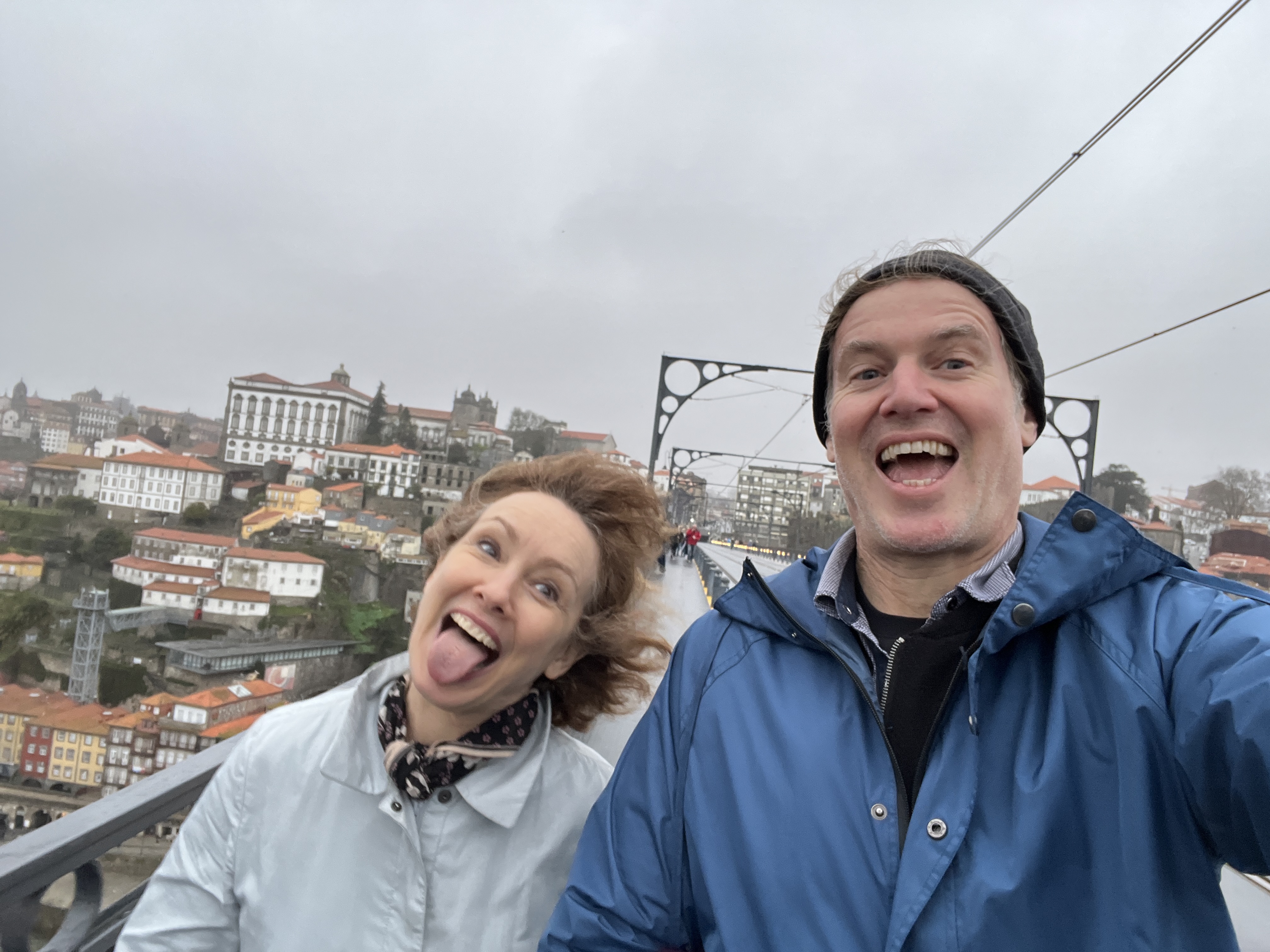
It hardly bears mentioning that an arm-in-arm stroll across a historic bridge is the stuff of romantic poetry. Flanked by colorful riverfronts, ancient city walls, stone battlements, and well-designed, unobtrusive modern conveniences (elegant funiculars and sleek trams), it presents a continuous, unbroken narrative. This is the power of design – not to make pretty things, but complete, holistic experiences.
With a few minutes to spare before closing, we hop on a gondola for an aerial view of Porto from the Gaia side. It’s raining and not prime photo opportunity but it’s all the more precious for it.
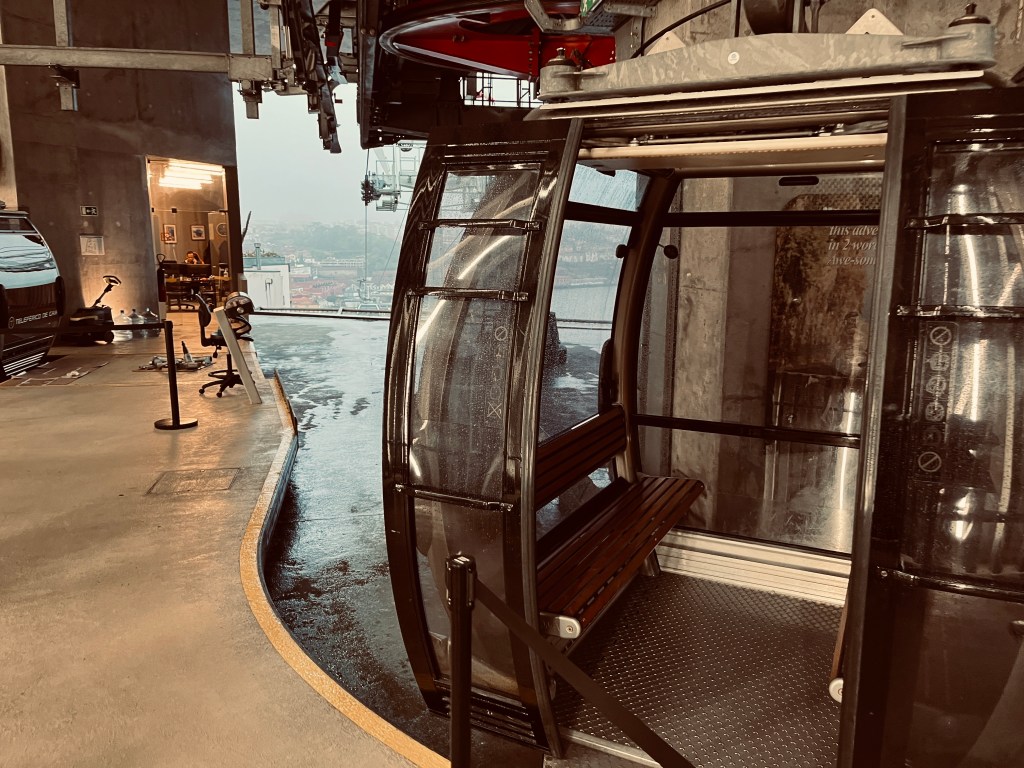
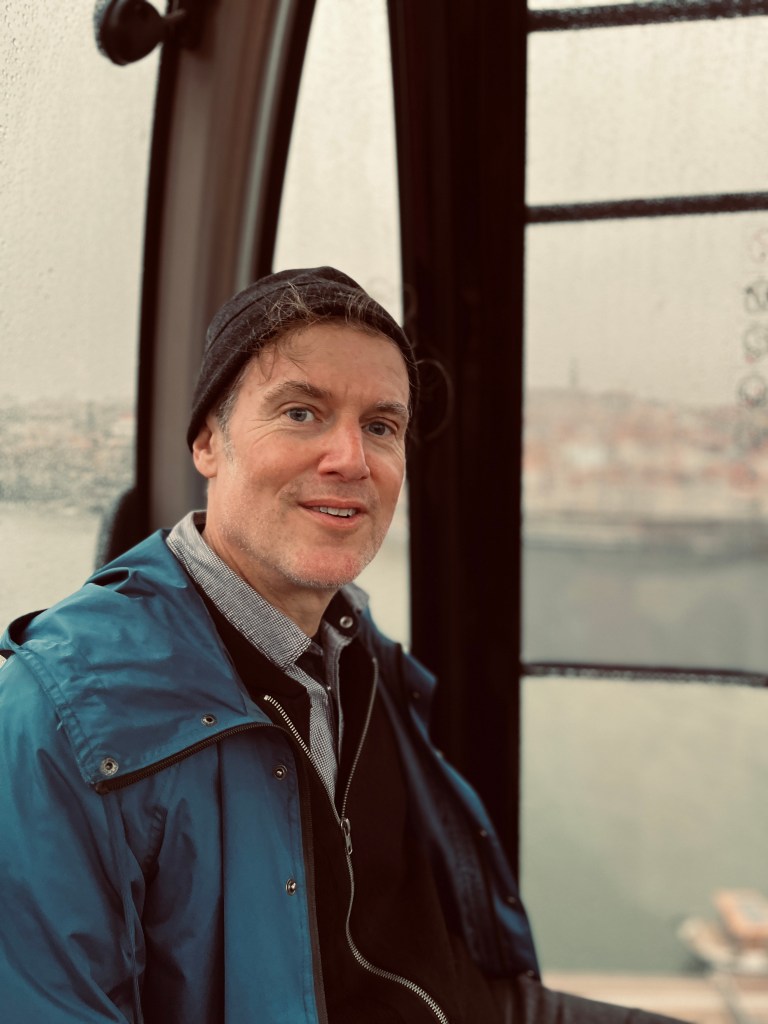
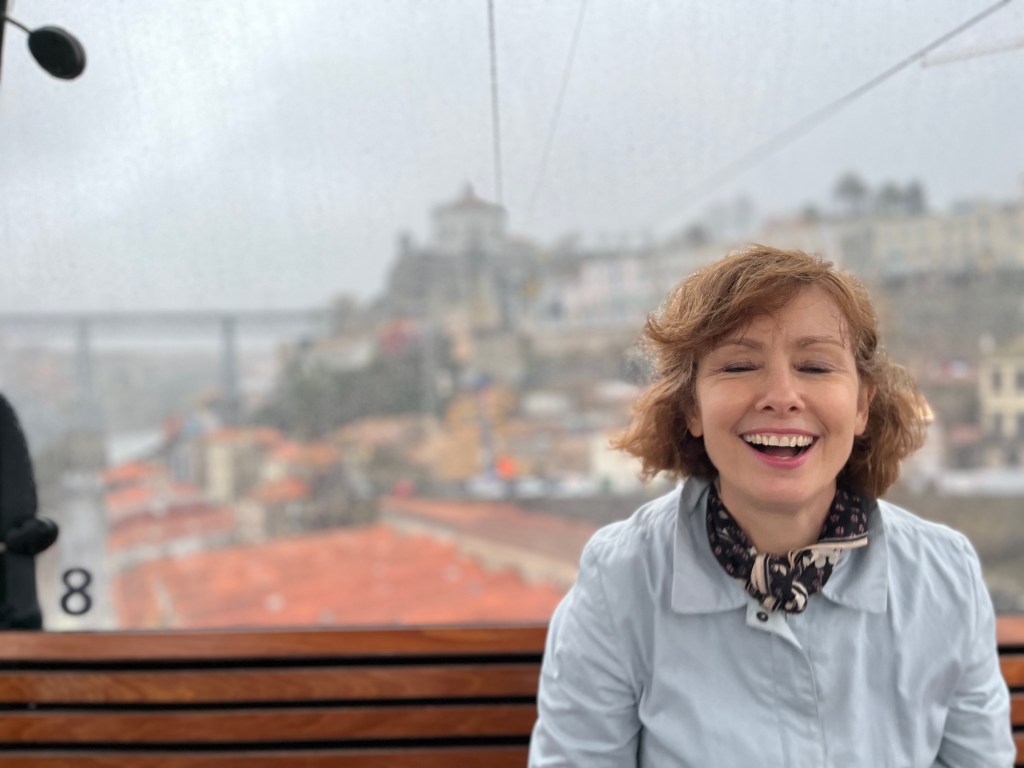
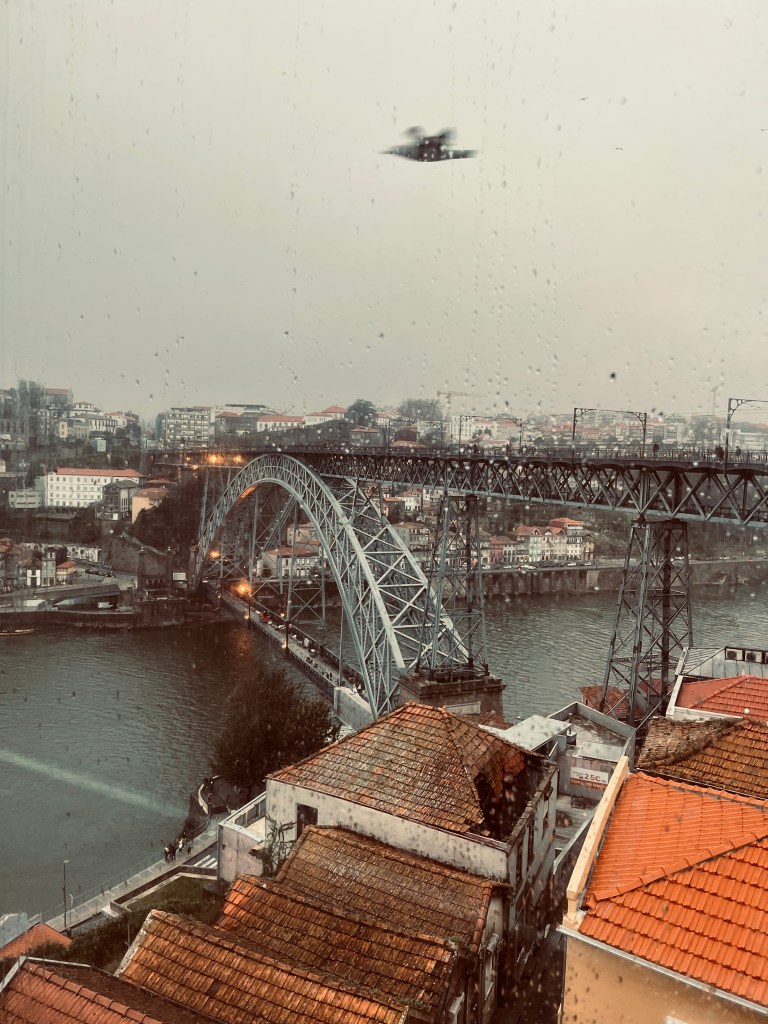
Capturing memories on film is great for sharing but removes you from the process of observation. As one of our favorite books, The Art of Travel notes, the goal of seeing is observing, and the ability to describe what the eyes see is the goal of observation. It forces one to articulate in words, paint, graphite, sculpture, etc. This leads to breaking the visual down into constituent parts, which further self-enlightens. What is it about that building I like/dislike and why does it effect me so. What does it remind me of… and so on. Many people make the mistake of thinking it’s about aesthetic accuracy or skill – but you don’t need to be good at it. The process of description is one that builds on itself, forcing you to refine the words, mark-making techniques, or colors in an effort to understand your relationship to the world.
The Imperial McDonald’s
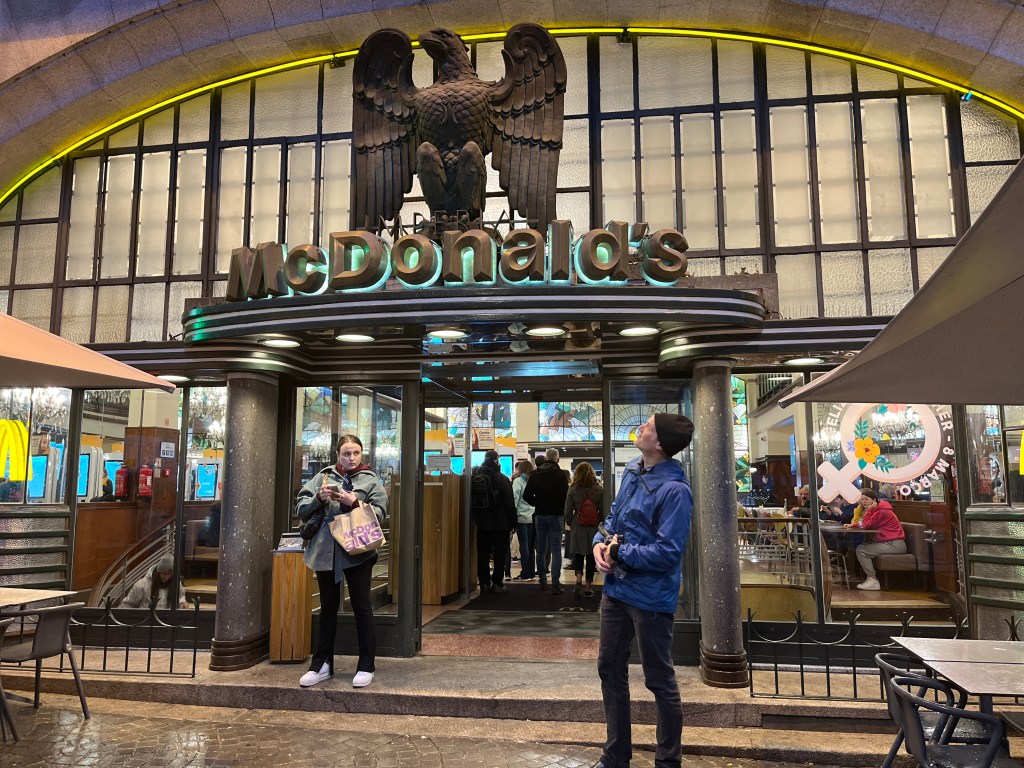
We love McDonald’s. There, I’ve said it. Throw your stones but you probably have a guilty pleasure somewhere and we forgive you for it. It’s more accurate to say we love the one thing we always get when we go to MickeyD’s – it’s not exactly a tasting menu.
In Porto, there lives such a thing as the Imperial McDonalds, a gussied-up version of the home product where one can get a Majestic Mushroom/Truffle Mayo burger with an Ocean Salad (like I did) or the good ole McRoyal with Cheese and side Salada Misto (like Stasia did). Of course we got the fries, I’m surprised you asked. Fries are the main act at MacaDons and here you can get them with a garlic aioli dipping sauce. The spoon and knife that came with our meal were made of biodegradable composite wood. While Stasia loved her McRoyal (but no mustard which is odd, mustard is a thing here), I should have gone with the one thing I love – a Big Mac – because I didn’t care for any of my food except the fries.
The Zephyr and Quincy Show
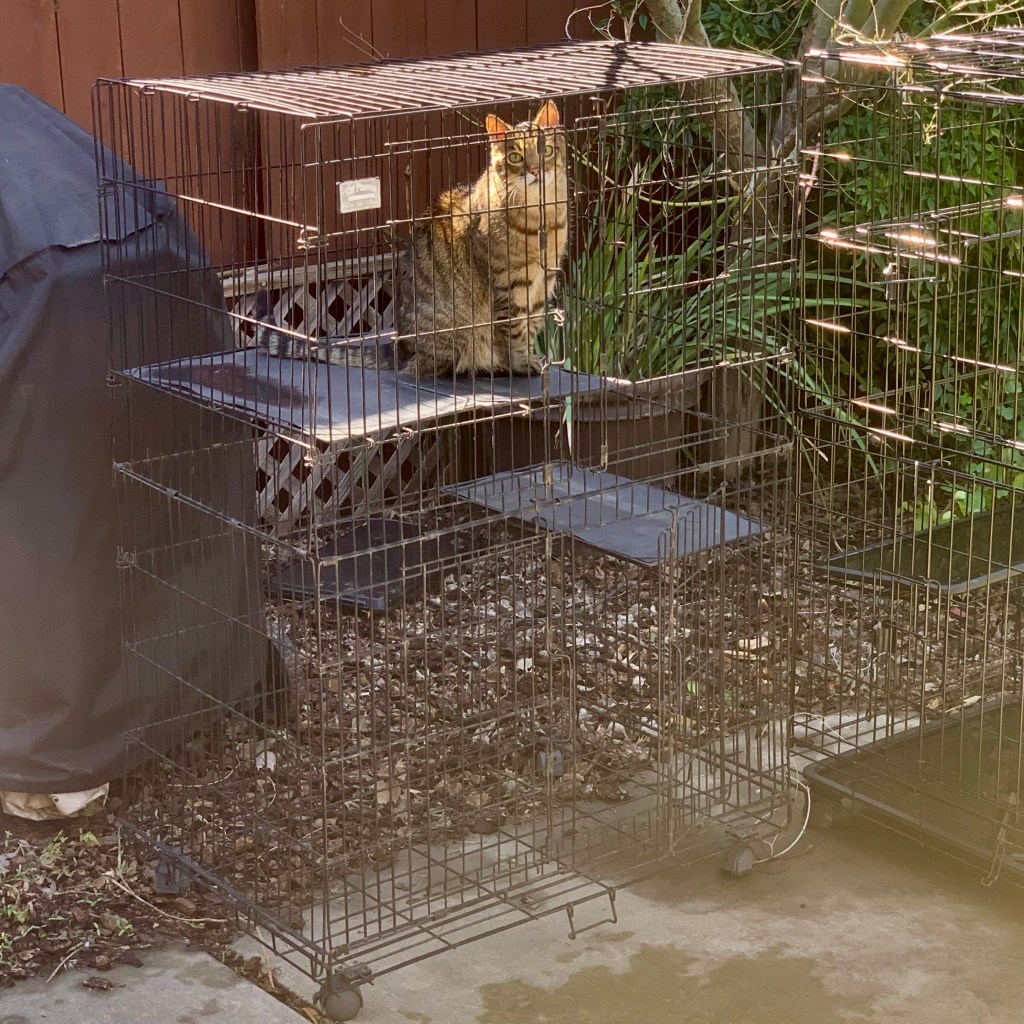
We have a family call with Zephyr, who’s covering for us while we’re away. He’s the man of the house and his generosity is making the difference in our vacation, not just in cost but also security. It’s heartening to know our beloved fish and felines are in his care. While we talk, Quincy Jones runs out back, makes a beeline for the cat cage, and sits there waiting for his best buddy to close the door. What a cutie!!
Casa da Musica
A Jawa Sandcrawler has gone missing and I think we’ve found it.
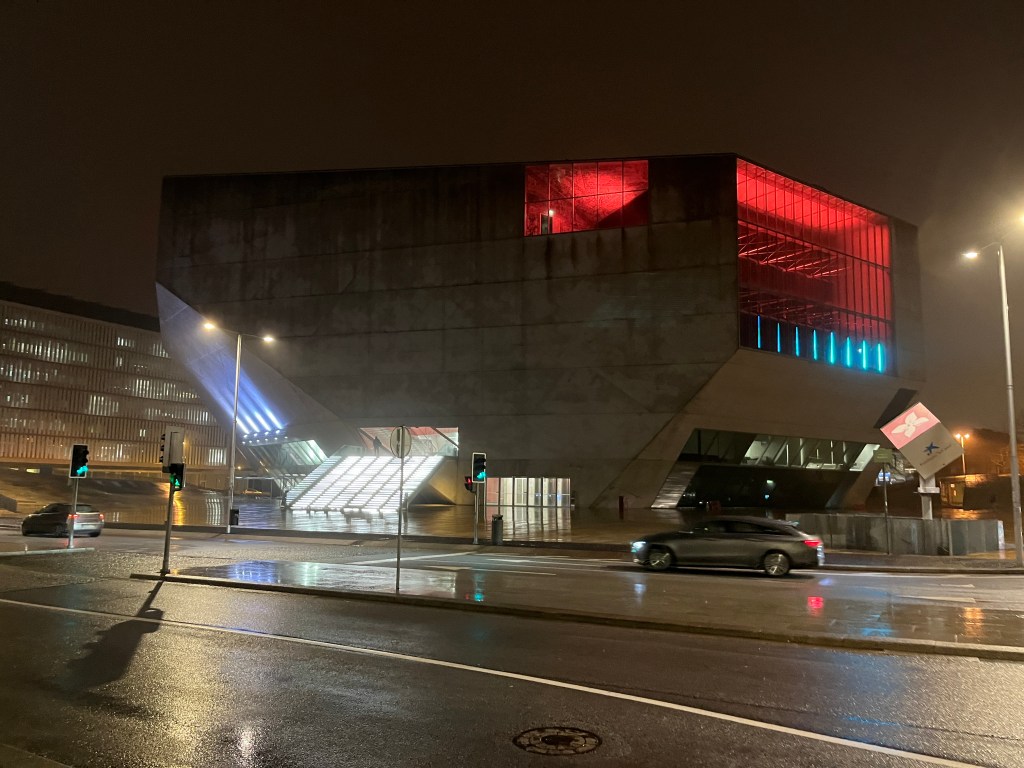
In this ancient city, Casa da Musica strikes a perpendicularity that elevates the eyebrow and cocks the head. Maybe the aliens have finally arrived. Even the stairway entrance is reminiscent of some first-contact story. I am enamored with timeless architecture/futuristic forms – one look at its imposing angularity and I’m ready to sign up for an abduction.

The performance we’ve come to see is António Zambujo & Yamandu Costa, a well-known Portuguese singer/musician, and a Grammy-Award-winning 7-string guitarist. We’ve not heard them before – in fact, when I stumbled upon the venue and the show, there were only a few seats left and I just snatched them up without researching. The rest of the trip occupied my mind and so never went back to investigate. It’s fun to be surprised.
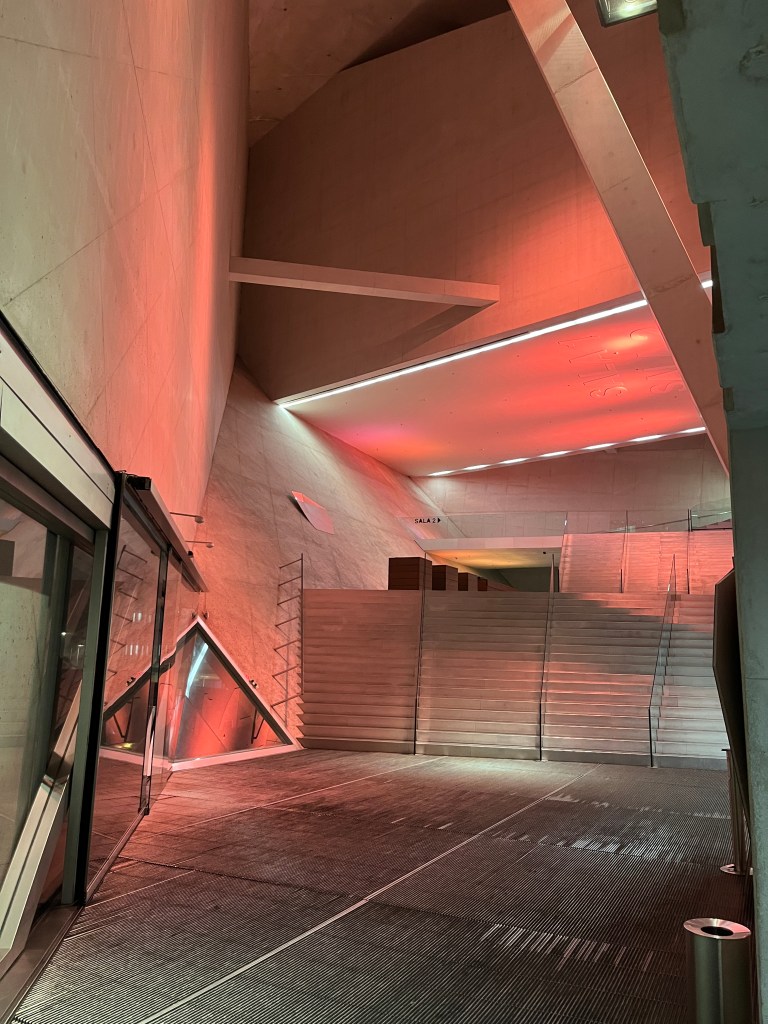
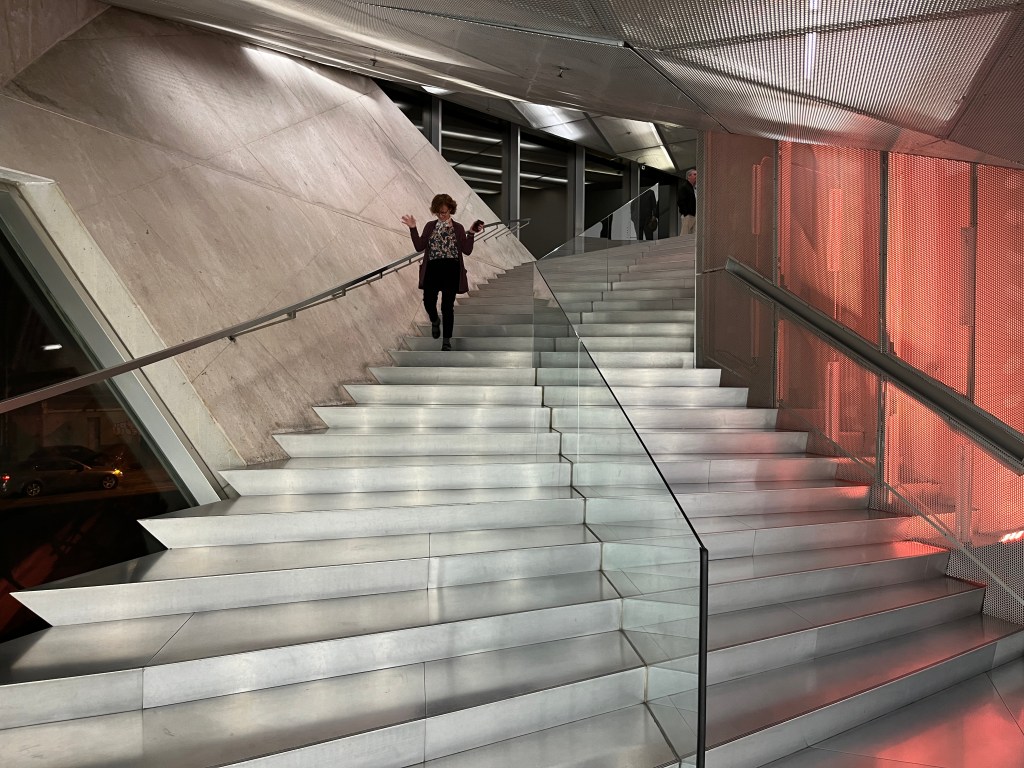
The whole interior has the same clean, obtuse geometry as the outside, replete with brushed metal, giant windows, and (other than the integrated modernist signage) is pretty much what you’d expect your spaceship to look like on the inside.
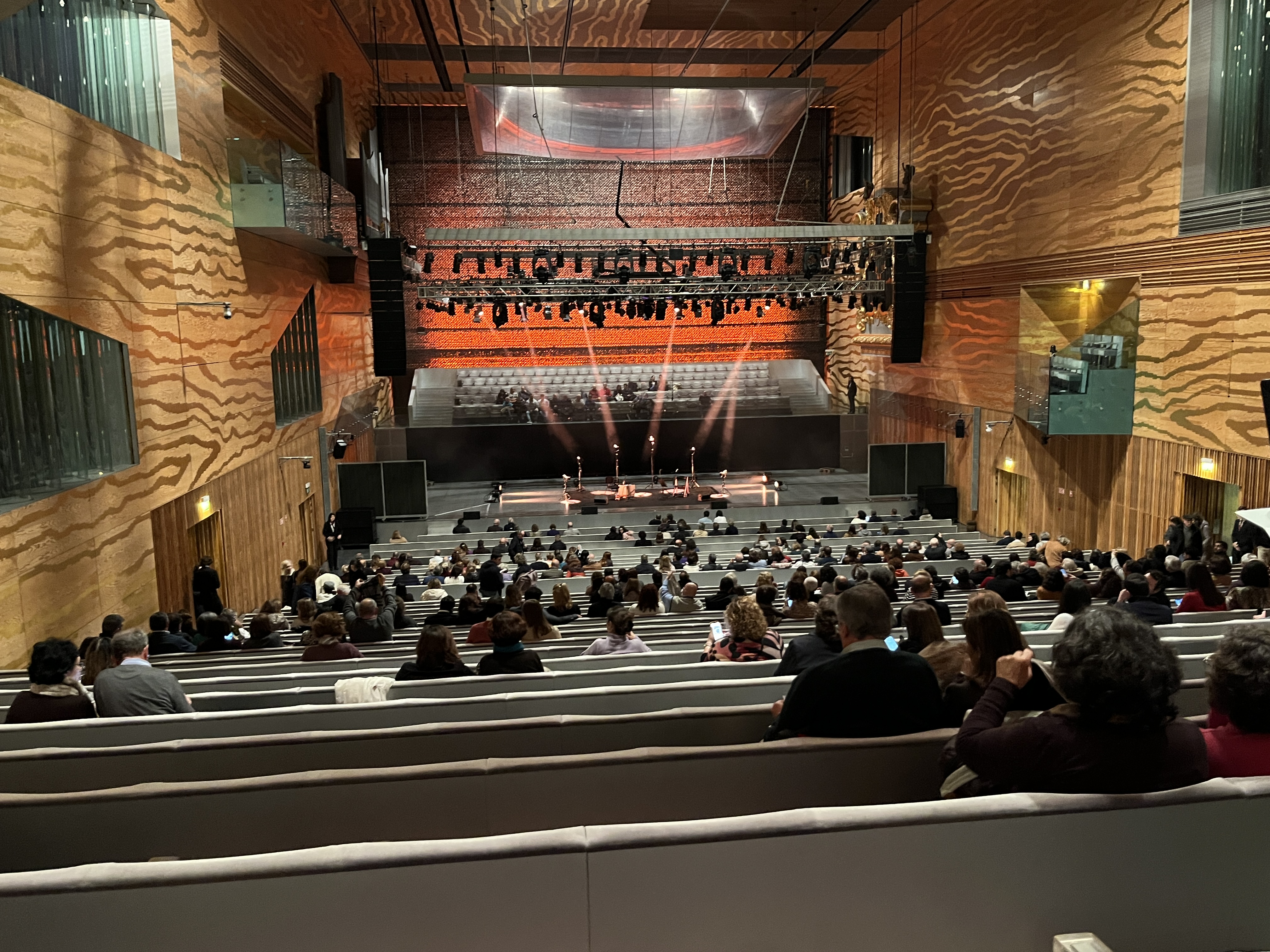
The voluminous concert hall is an audiophile’s delight – textures, shapes, baffles, and assorted protrusions are visible everywhere – their sole purpose to preserve, enhance, and direct sound vibrations. Stasia points out that the whole expanse has elements of art deco – the wavy glass, the multi-textured wood paneling, the organist balcony.
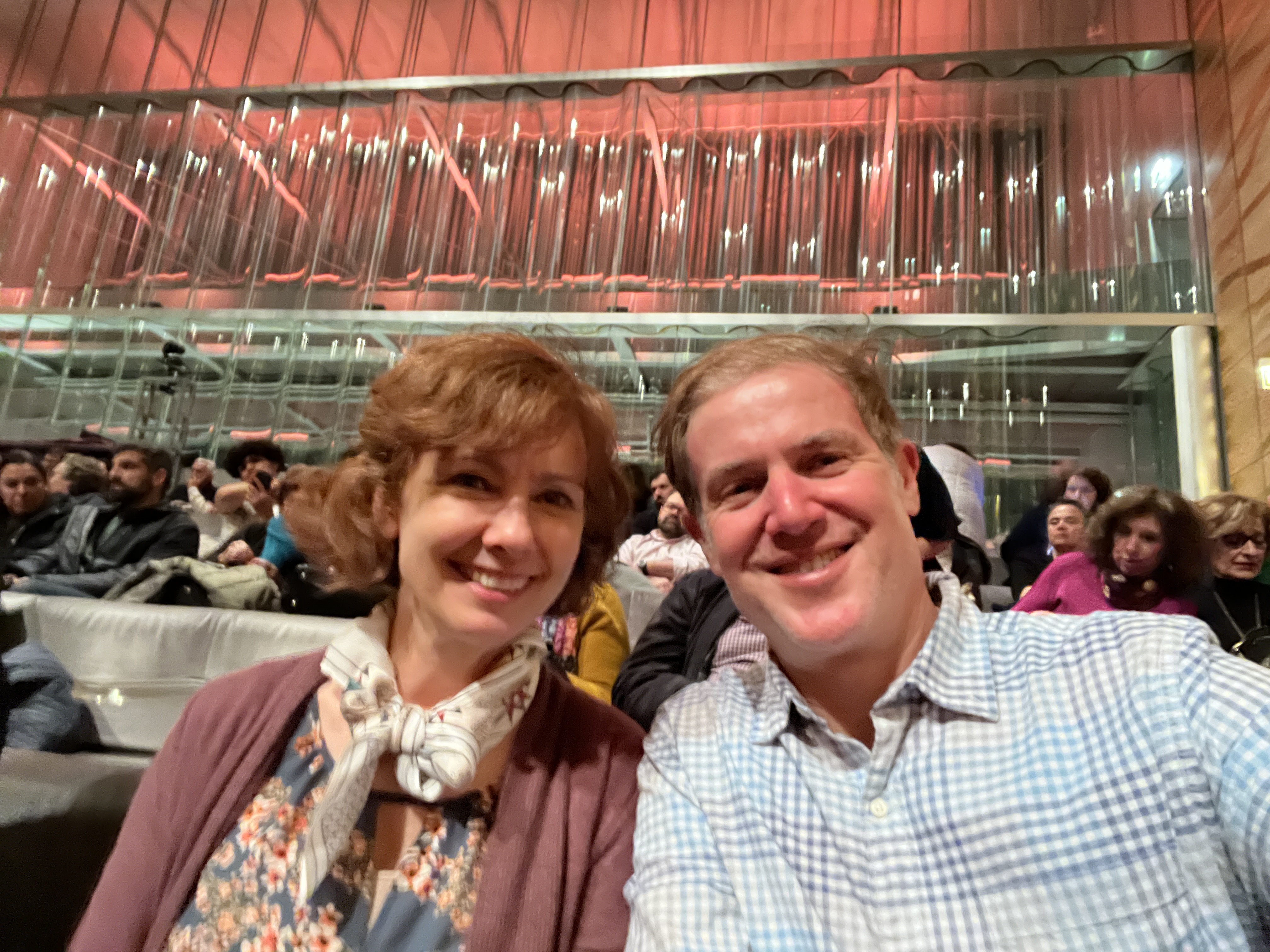
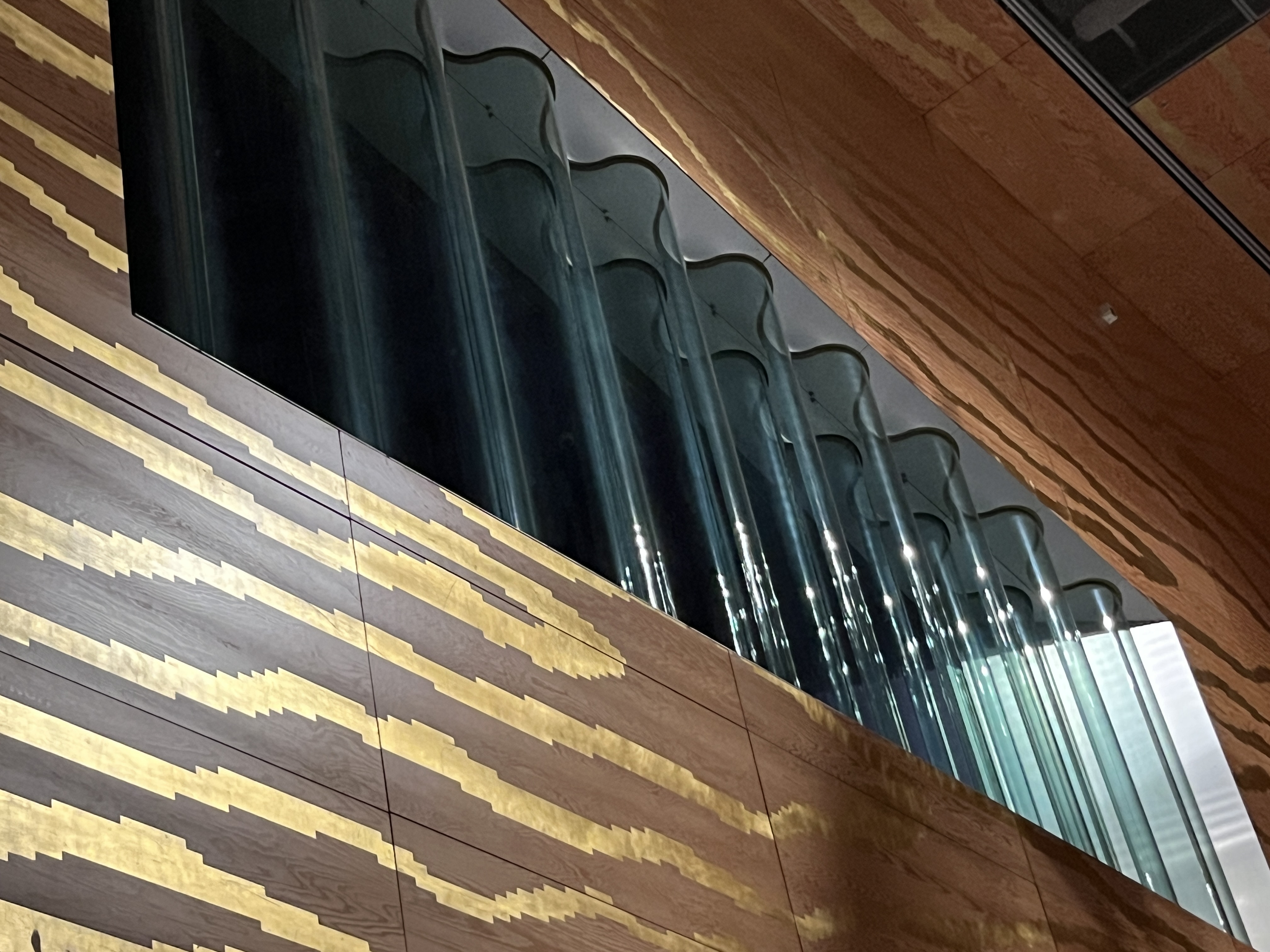

Sem palavras…
Yamandu Costa begins the show with a few instrumentals. It’s not an exaggeration to say that we’re instantly gobsmacked. His instrumentation defies dexterity, but it would be a mistake to think he was just a nimble technician. He is making love to that guitar – at times attacking it, then sweetly caressing – and we’re all wrapped in his spell. The acoustics of the venue lift the sound and send it right into your chest. Just can’t put it into words…
Out of respect for the artists, audience, and theater, we didn’t attempt to video the performance, but here are some excellent representations of the music we witnessed.
António Zambujo joins and together they play a set of songs from Brazil, Portugal, and Argentina. António’s soft voice reminds us of Gilberto Gil, casting off imagery of beaches, soft sands, and summer sambas with Yamandu’s cascading guitarwork coloring in the sky and sea. Stasia is able to pick out a few words and certain phrases, but generally, we don’t understand what they’re saying and it doesn’t matter. The music says it all; even the story and banter in between are so emotive and intimate that we even laugh along with the audience when the cadence of speech so obviously takes a humorous turn.
After the show, we buy an album from each and have them sign it. I get star-struck around amazing musicians, so I gush a bit too much when we get to meet them. No regrets, but I wish I could be cooler and just a normal person in these instances.
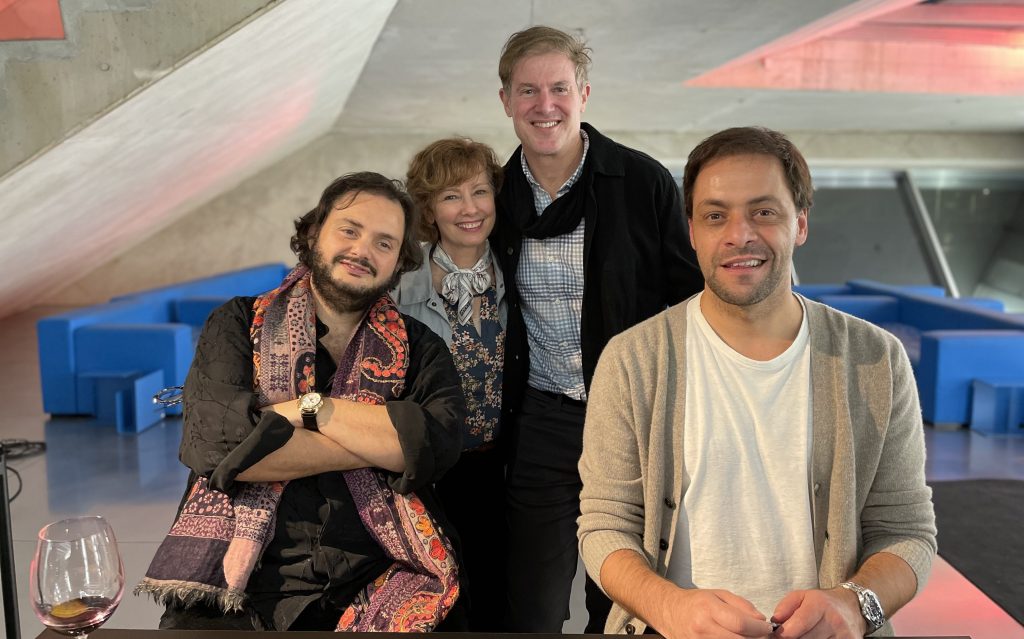
Back at home base, we recount the night over glasses of port but words are insufficient. Finding their music on Spotify is more like it.

 The Itinerant Three TnTs
You really do an excellent job capturing the feel of old Europe with your photographs. And the music hall description was so funny! Iâm going to get a CD of Yamandu Costa â I love his music. I feel like Iâm traveling with you.
LikeLiked by 1 person