It was a day full of surprises and fun misadventures…
The Imperial Jog
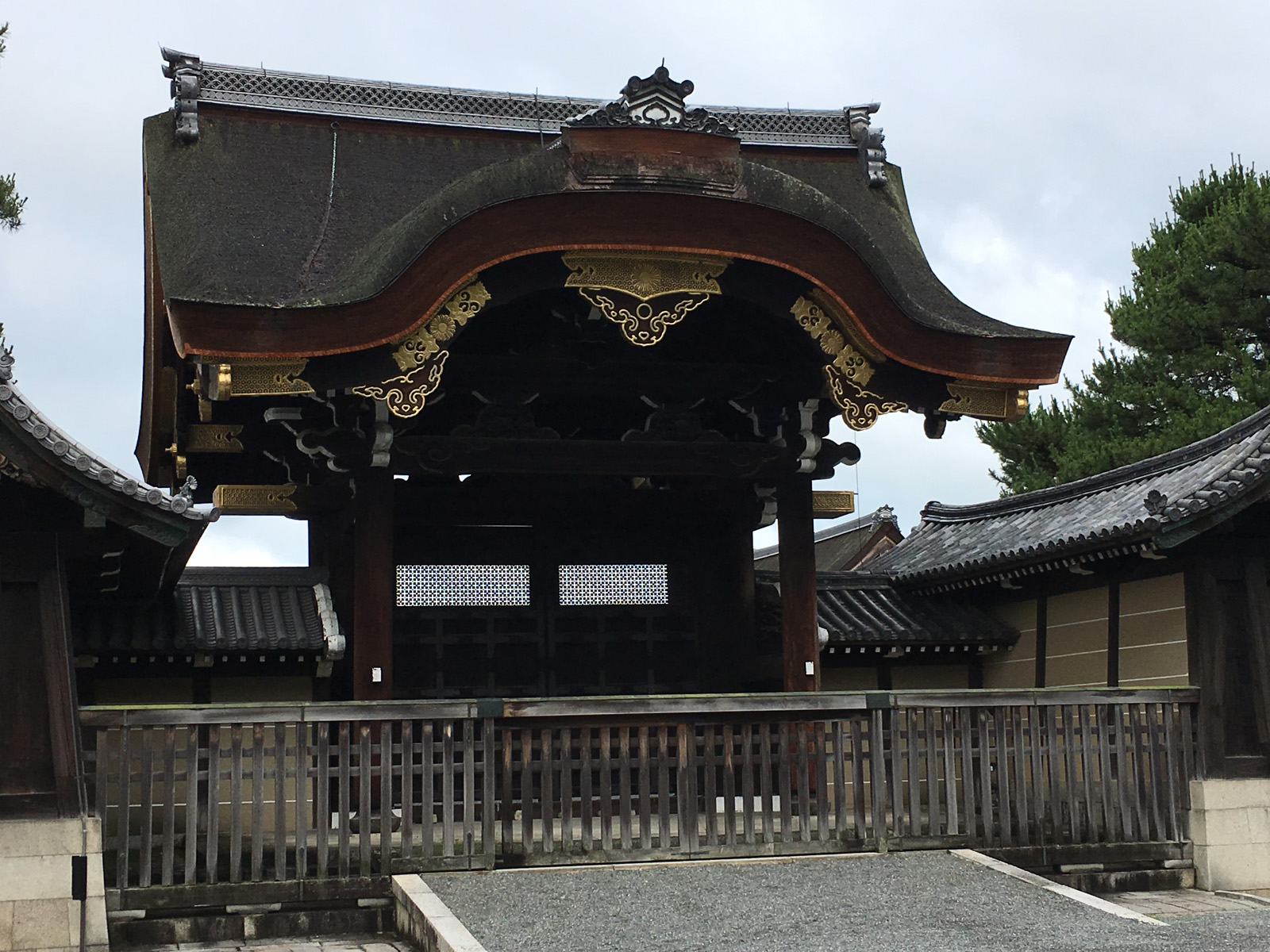
As we were around the corner from the Imperial Palace, I decided to scout it out with an early morning run. Situated in a large park, the actual palace hid behind a great walled perimeter. The little I could see looked pretty much like the pagoda-style architecture we’d seen a lot of already.
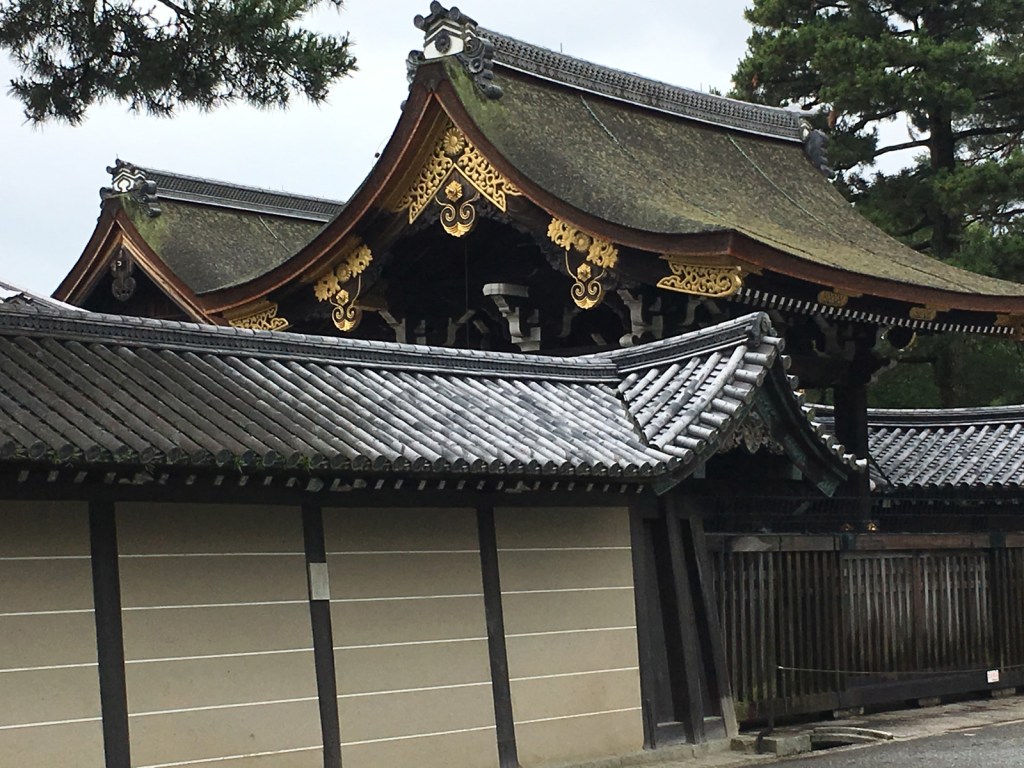
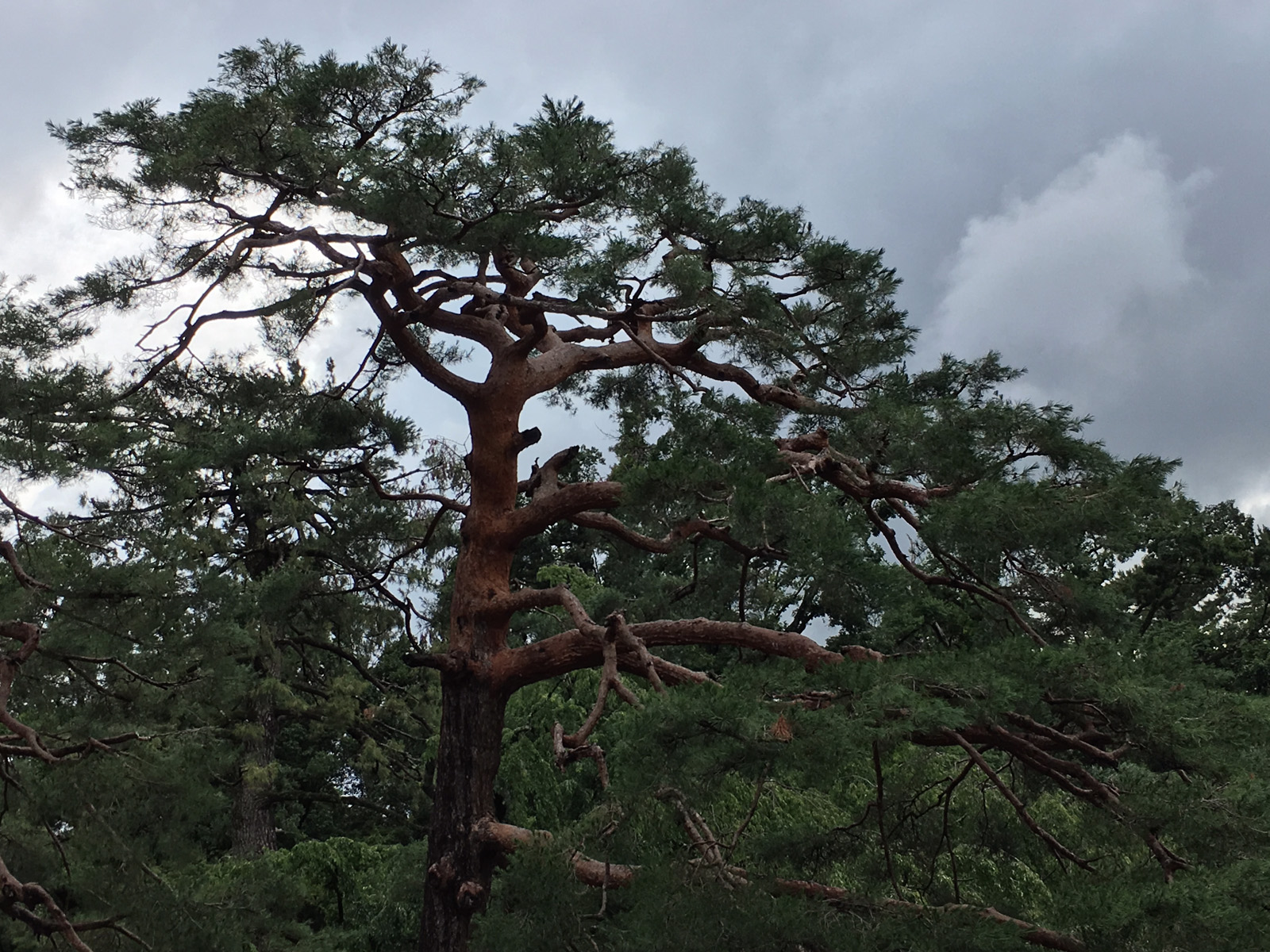
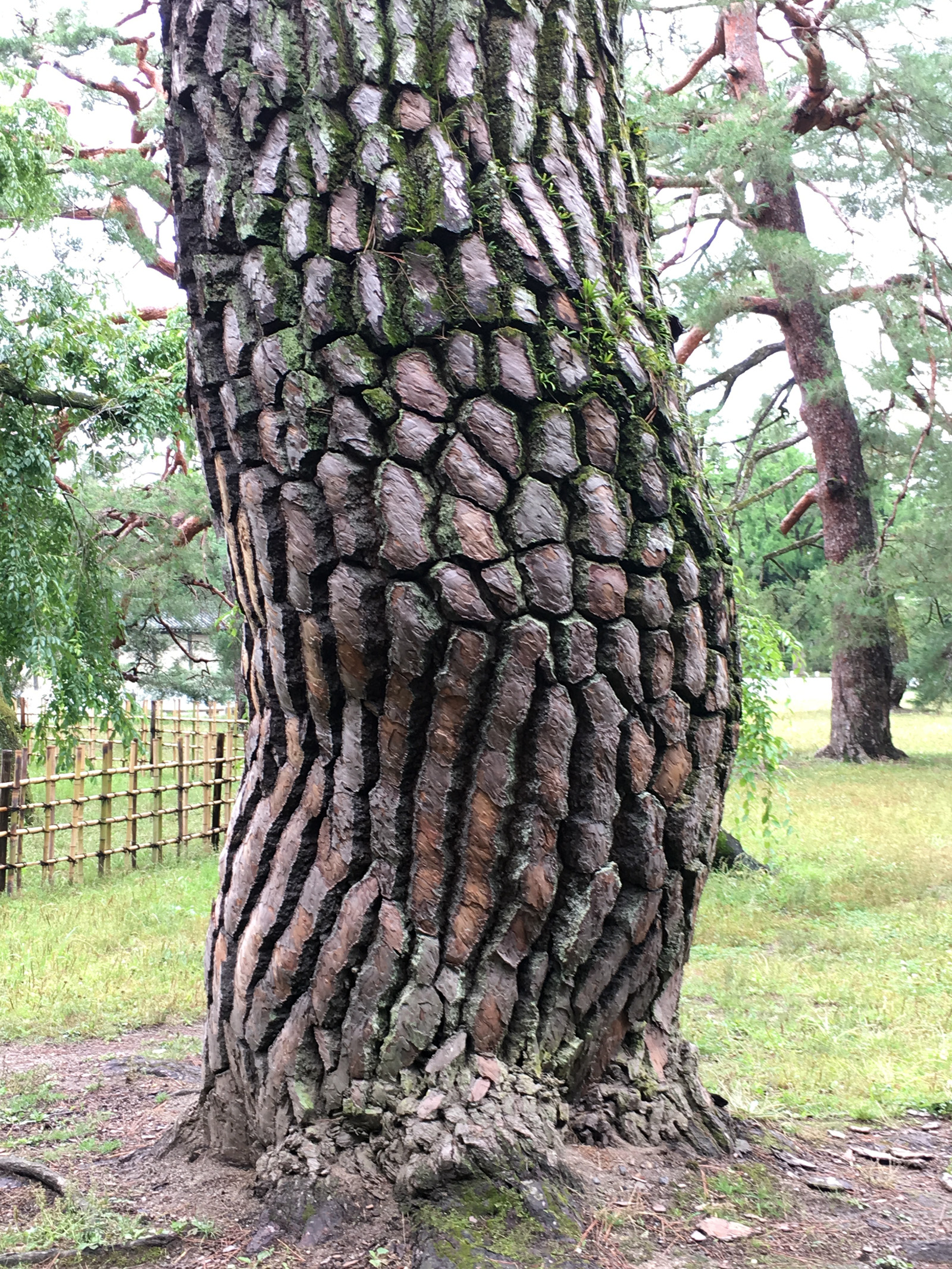
There were smaller paths through groves of old trees and various open spaces.
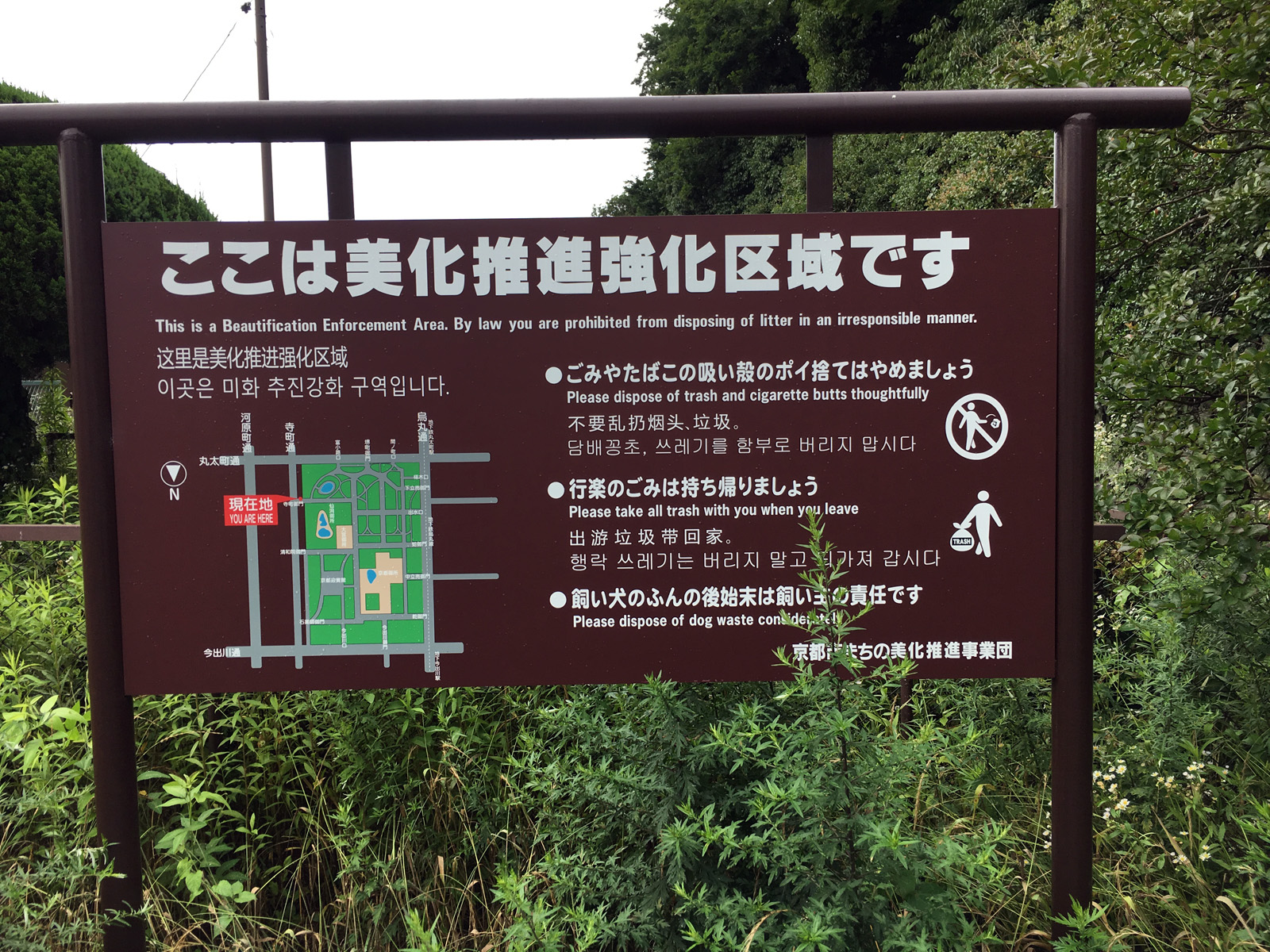
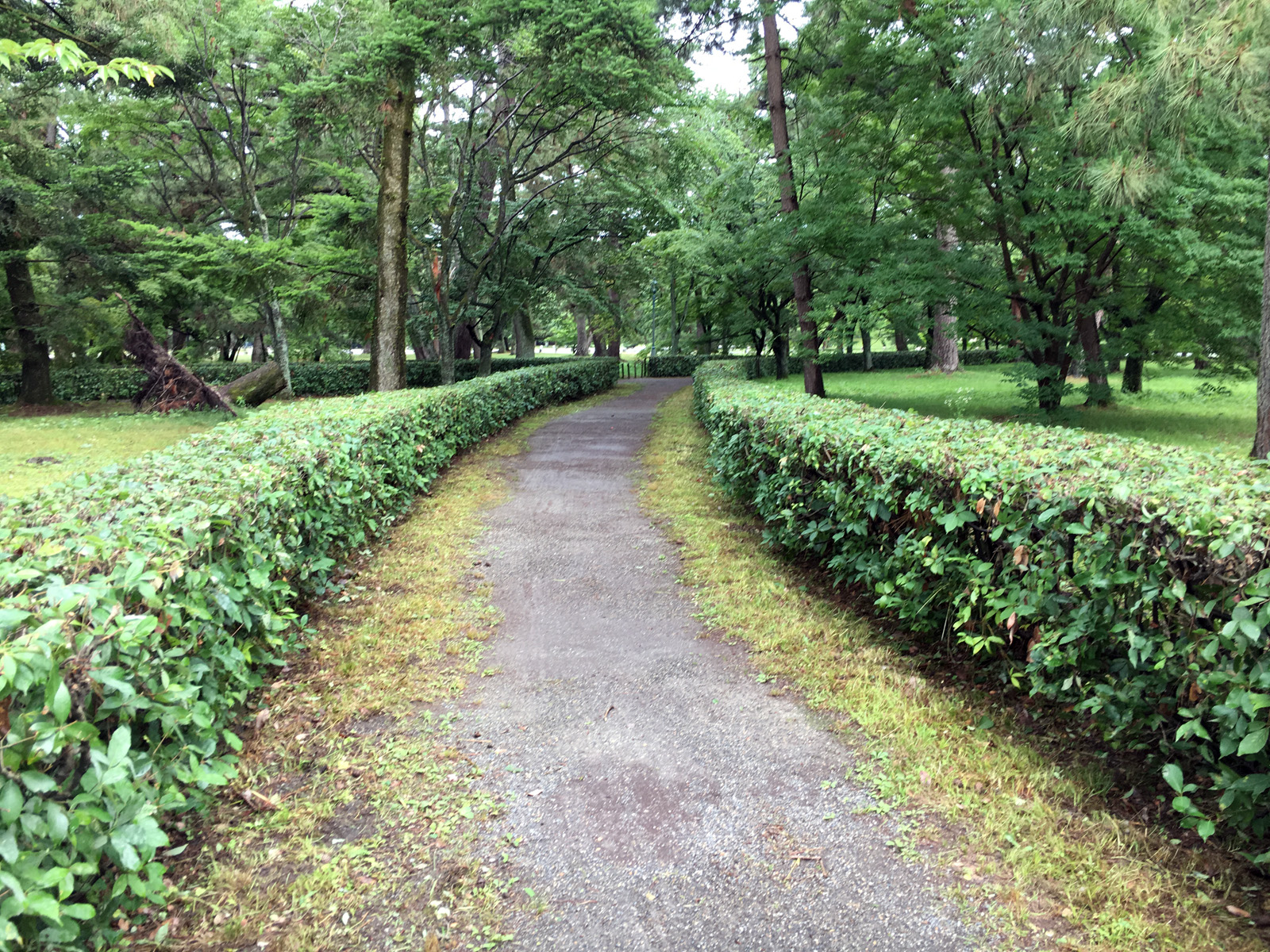
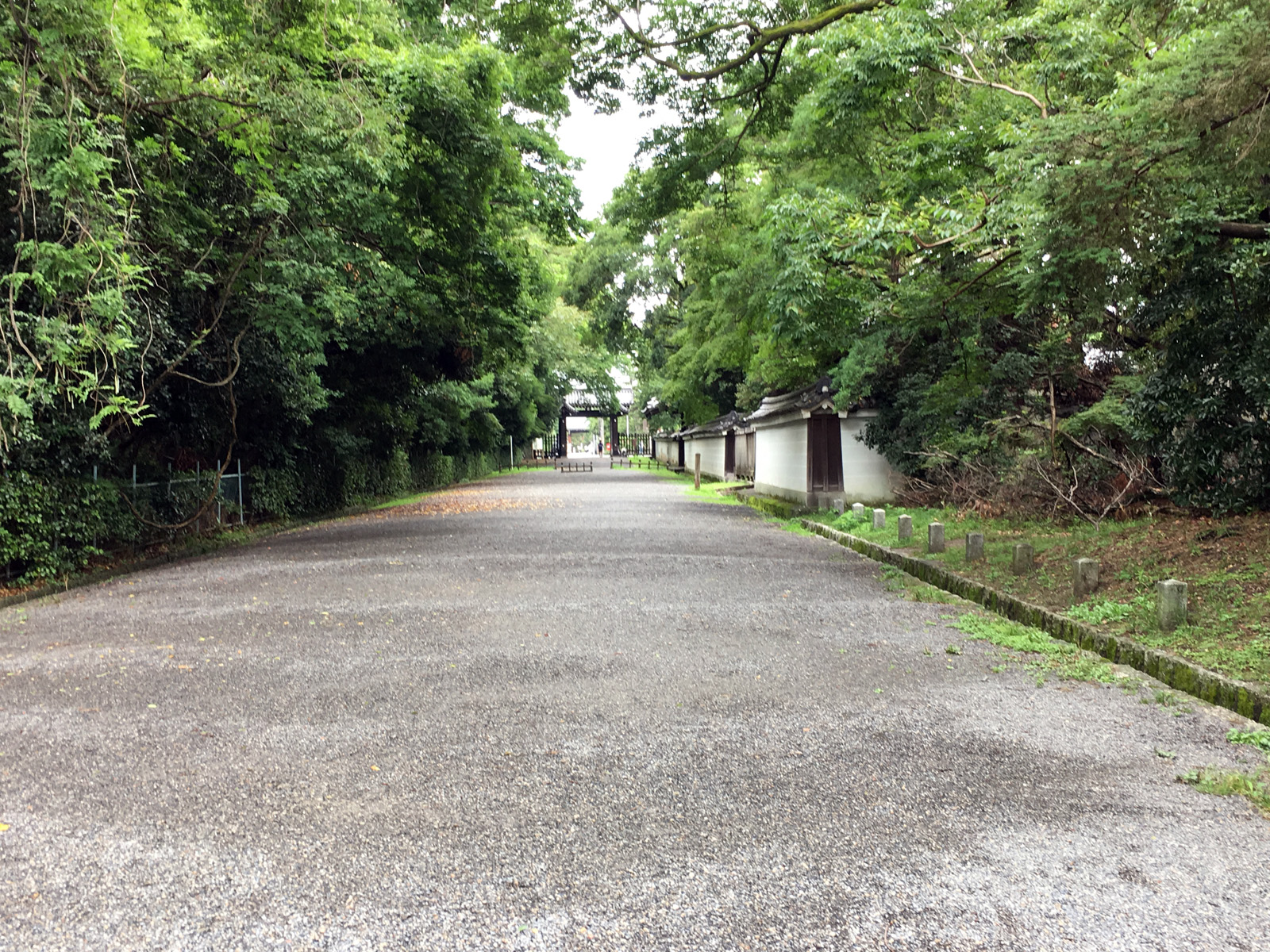
The grounds themselves had huge gravel roads going around the imperial complex – as wide as freeways – and I could only imagine their function was for state celebrations, perhaps military parades.
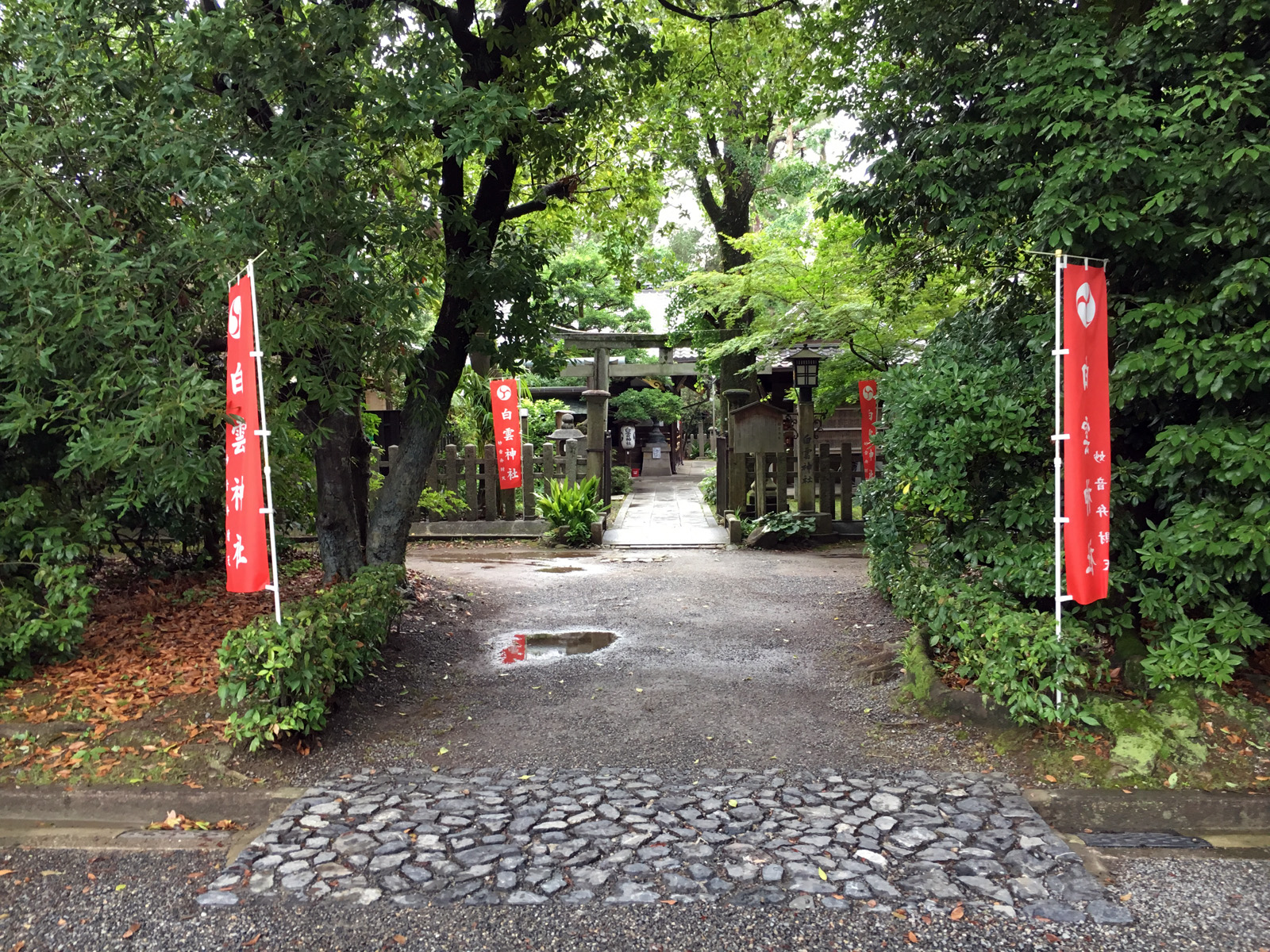
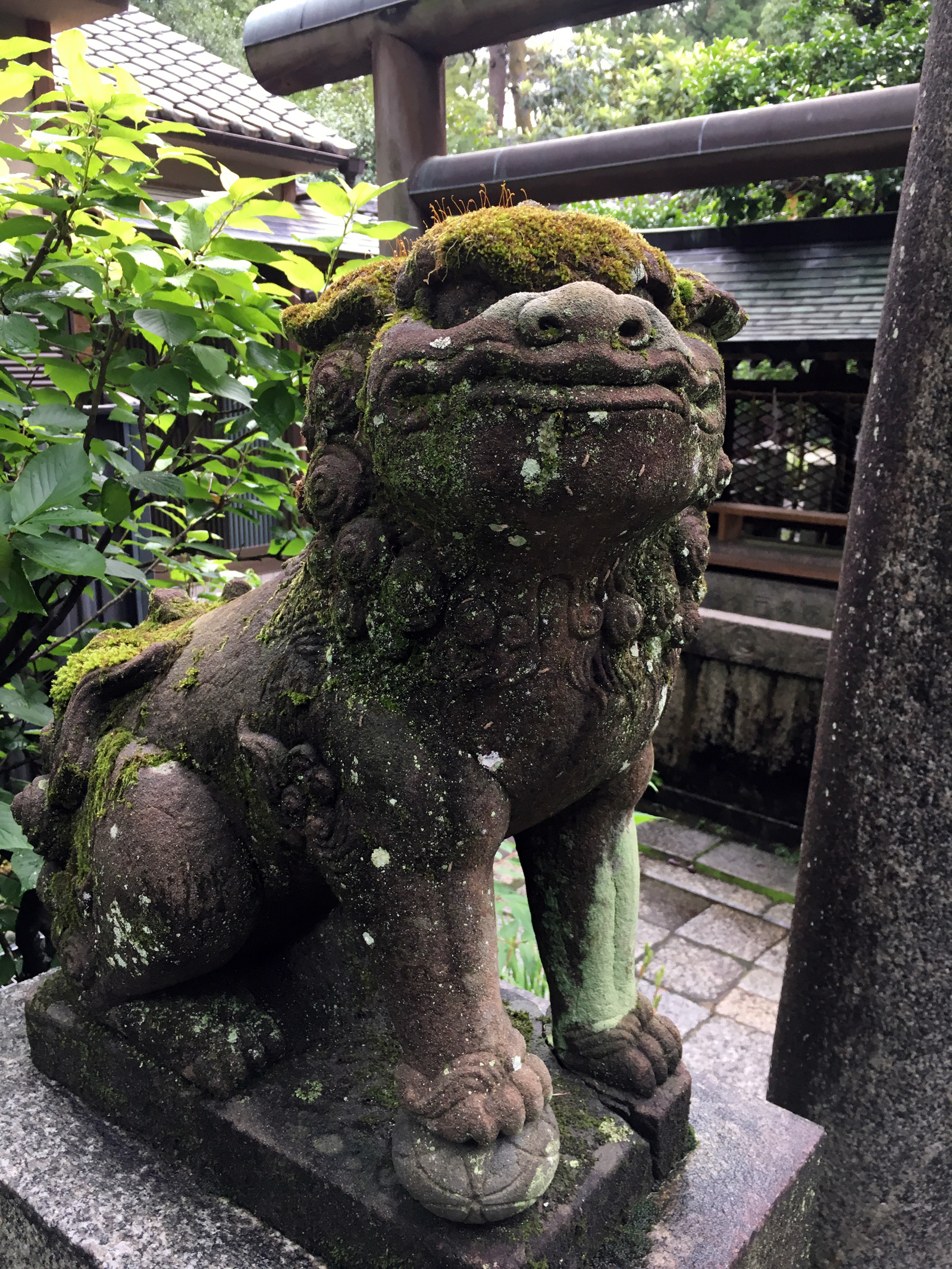
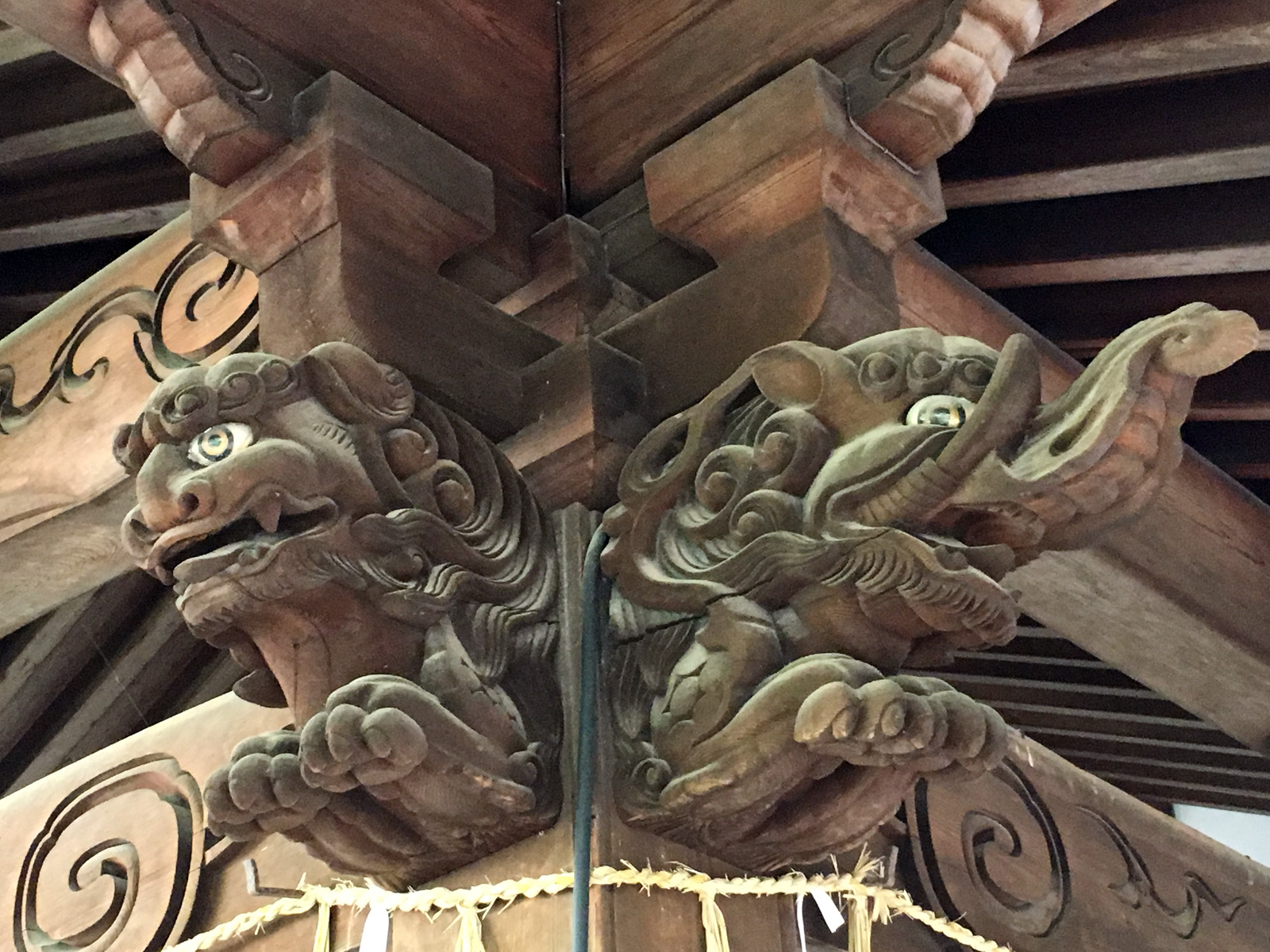
There was a shrine for a god of music, and I dutifully made a small pilgrimage within.
The Way to Pray
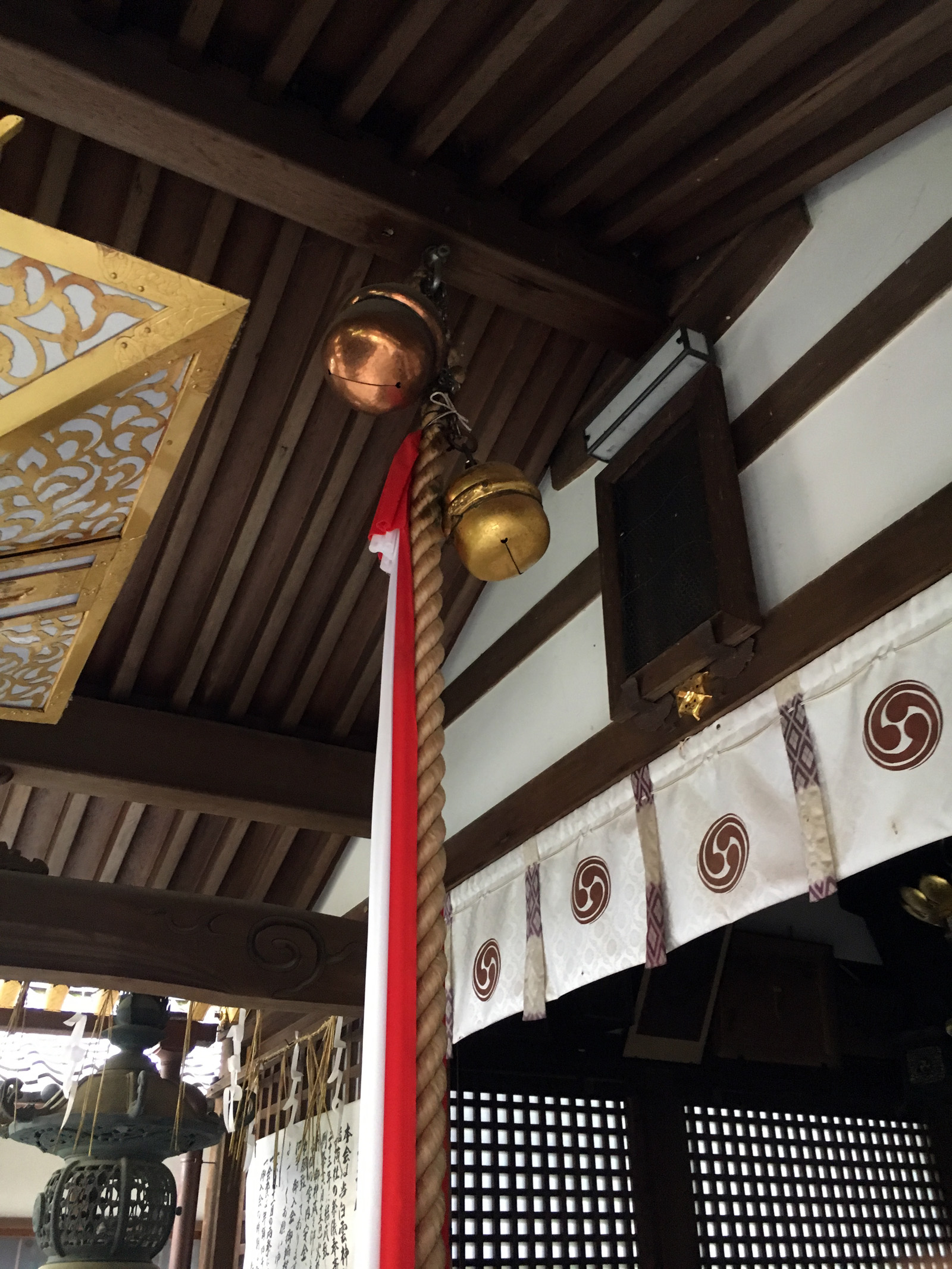
Shrines typically have a rope hanging down which is connected to a large bell, and the spirit is ‘hidden’ behind a small, closed house of sorts. First, you bow once as a greeting (a common ritual for everything), then ring the bell to notify the spirit of your presence. Then 2 bows followed by 2 claps. Finally, a bow of thanks before leaving.
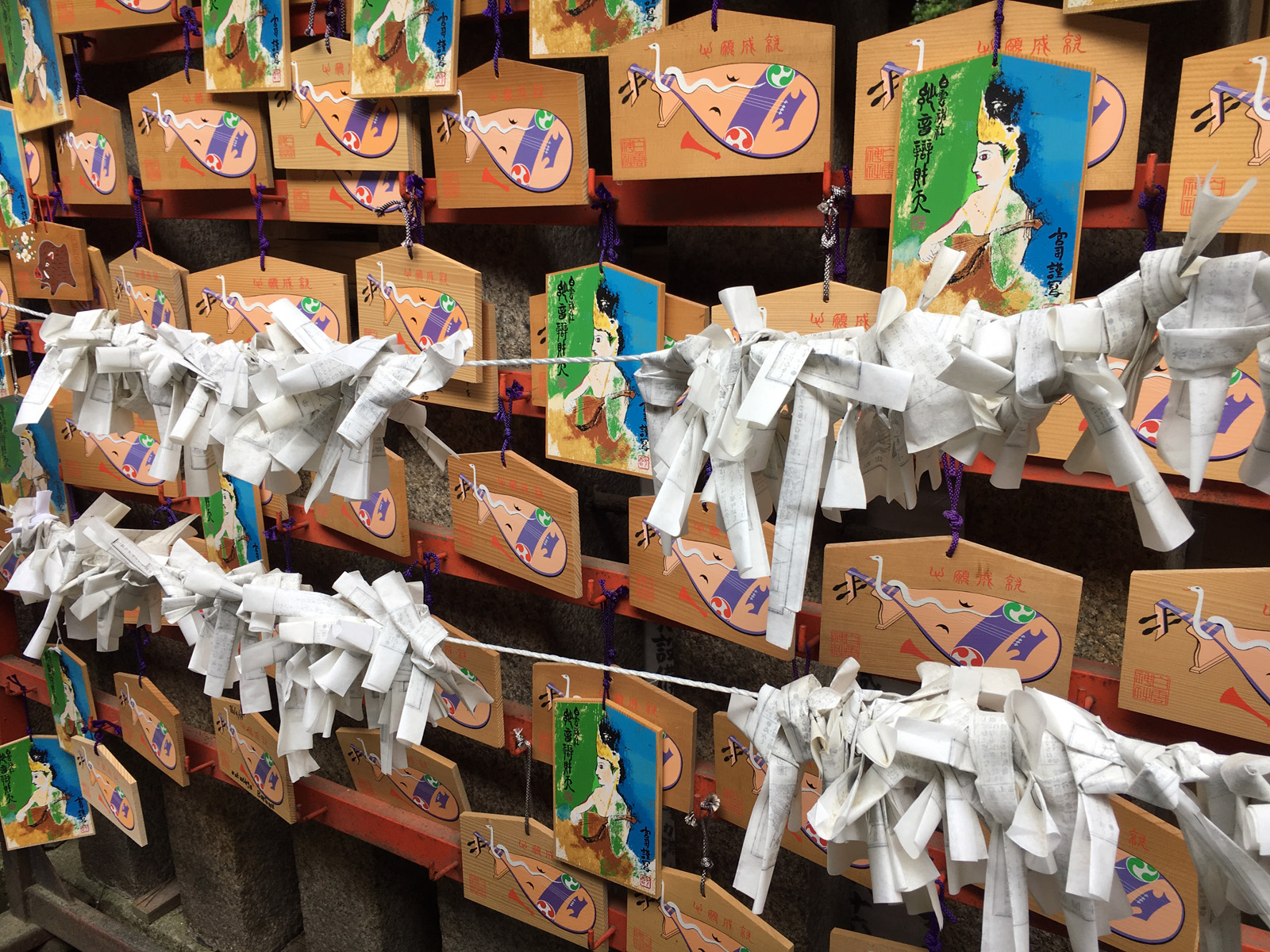
There are other ways of communing with the gods, such as leaving a small coin (the 2 yen piece), leaving a decorated woodblock with your wish or tying a paper receipt in a special area.
The Ancient Art of the Tea Ceremony
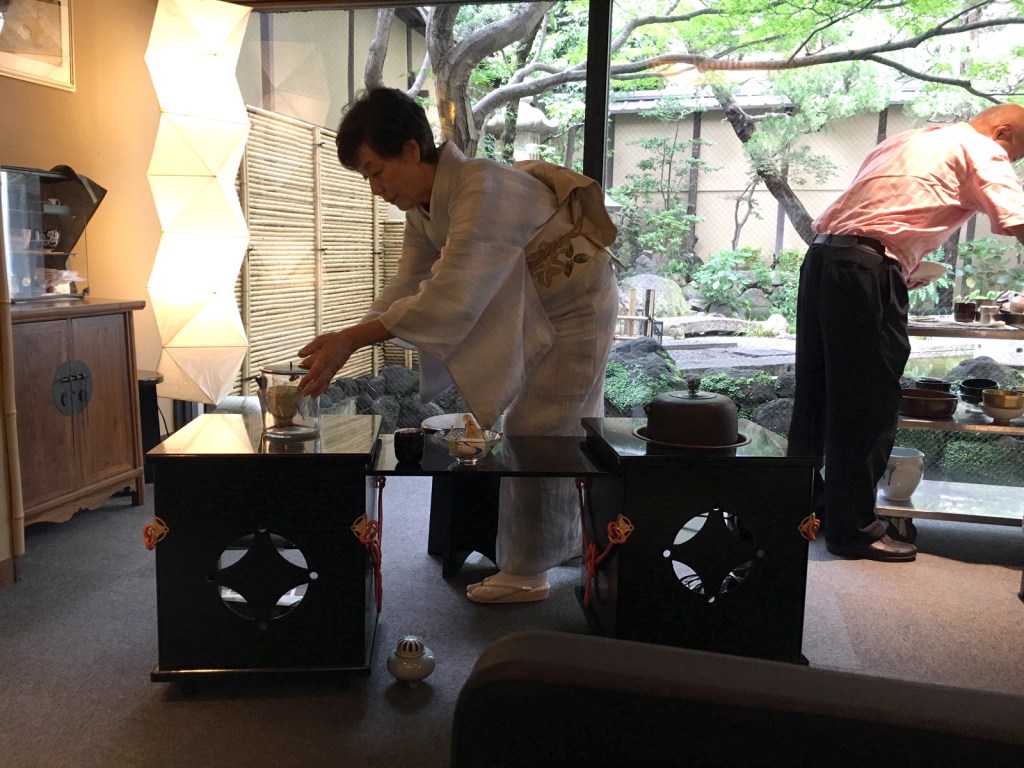
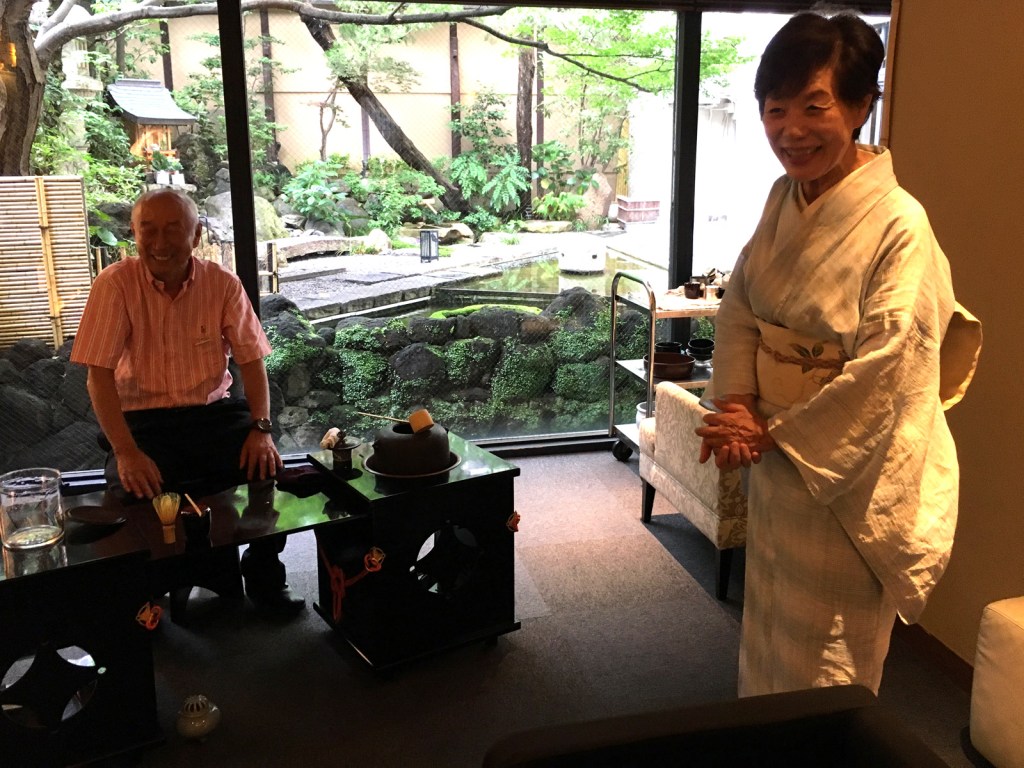
We had come down to the lobby a bit early and were going to do some exploring before the days activities when our host enthusiastically offered us some tea. We sat down and she hurried off, wheeled out a cart, got her husband and so began the most measured and elaborate tea ceremony we’ve ever had the honor of witnessing.
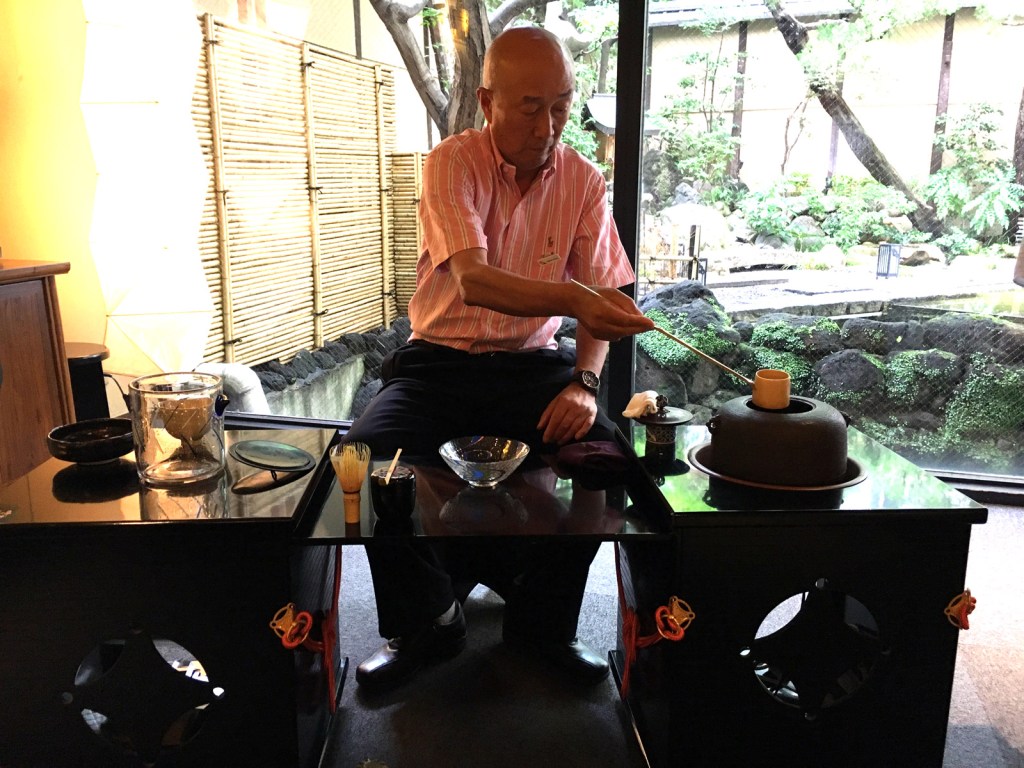
Once she had laid out the necessary apparatus, her husband bowed, seated himself and with intensely precise movements made each of us (one at a time) a bowl of matcha tea. Every aspect of this service was steeped in ritual – from the cleaning of the bamboo whisk to the ladling of the water and frothing the tea to the rotation of the drinking bowls. Every single action was slow and measured, a bit like Tai Chi.
The bowl rotation was a way of honoring us – the front of the bowls (where the design was) would always be presented outward, facing us, then turned again towards him for the preparation, then out again for the presentation.
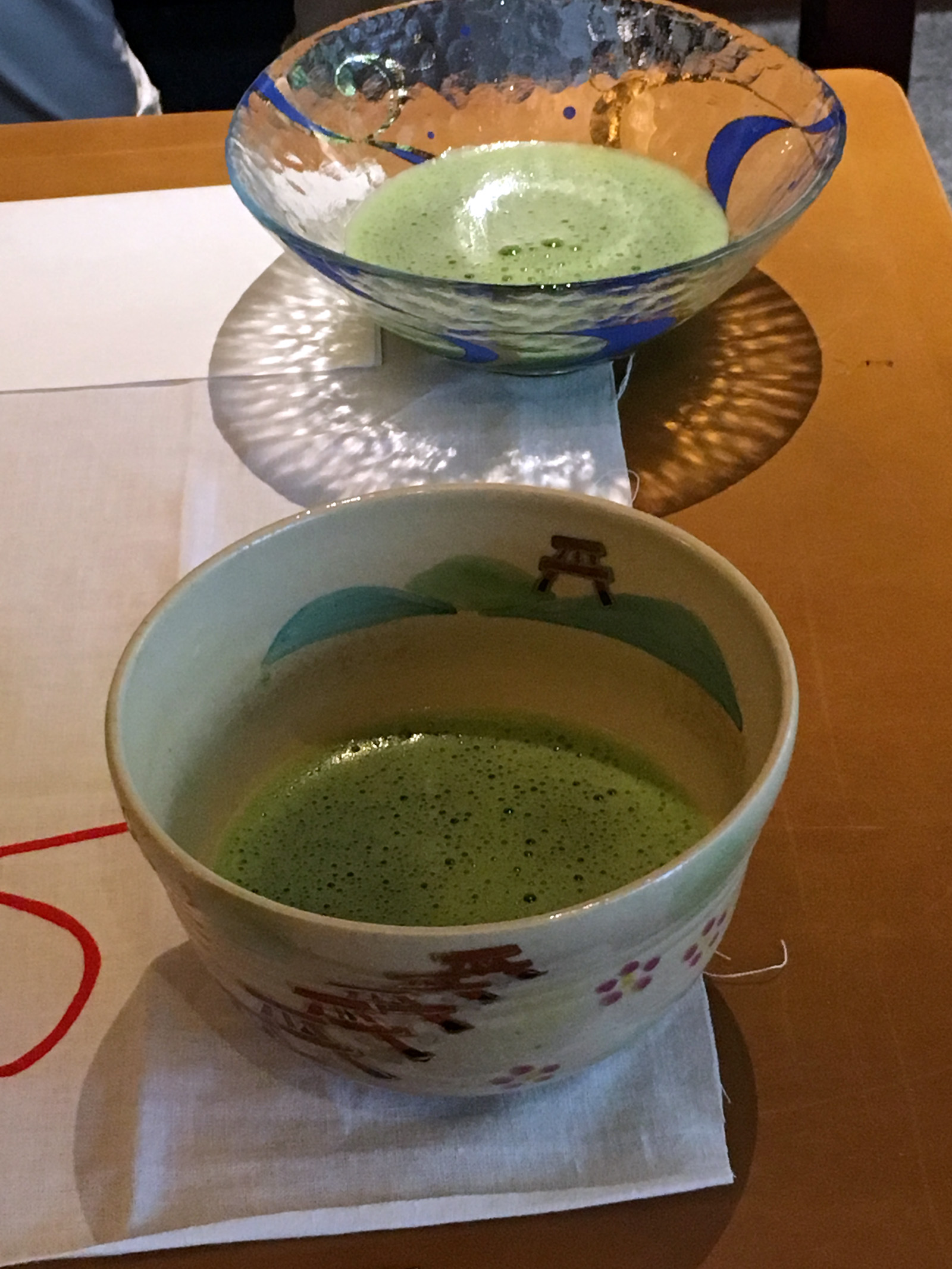
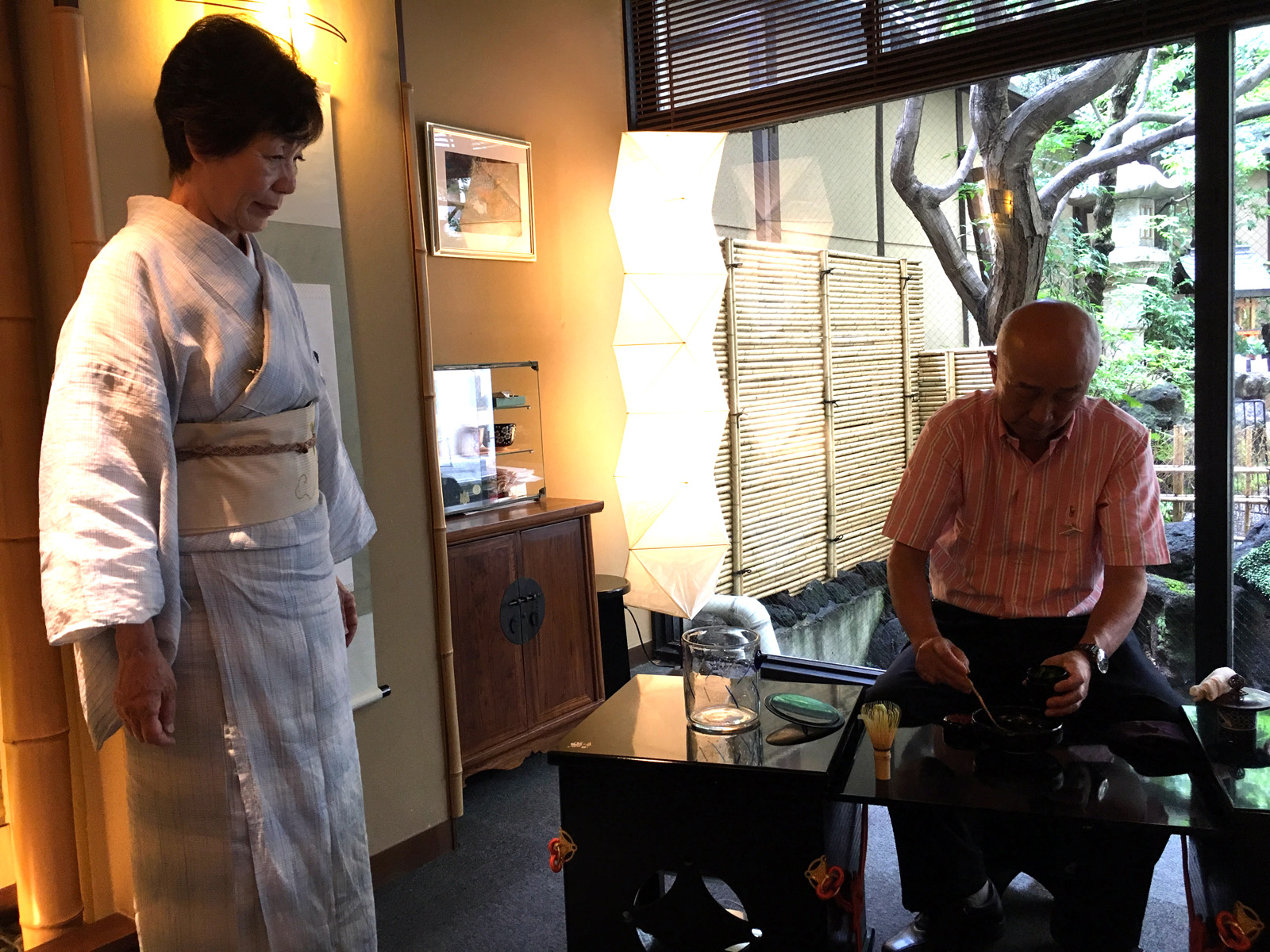
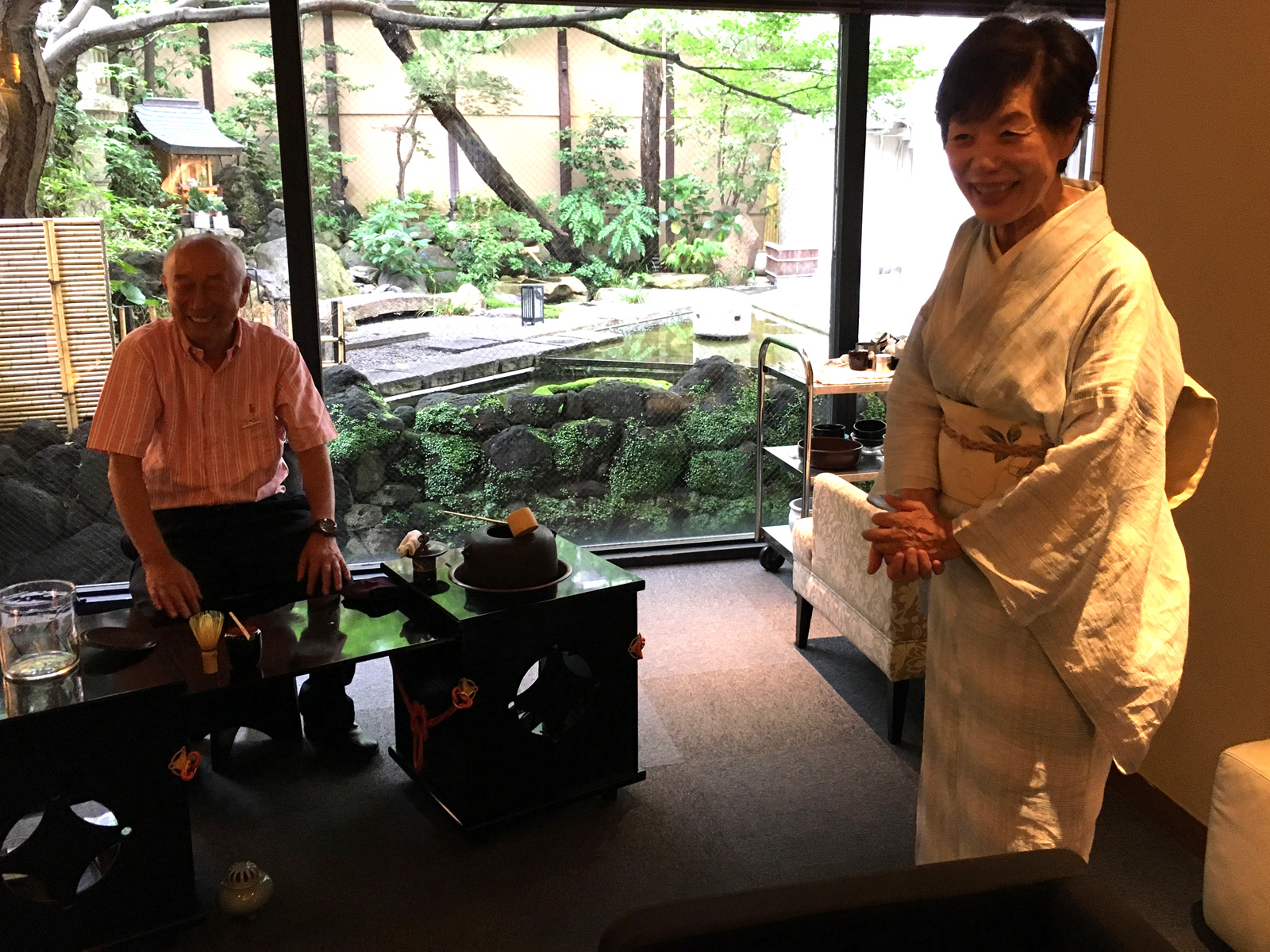
Once offered to us, we also performed the same honor, first facing the front of our bowls to the host for thanks, then turning (by exacting quarter turn rotations) so the front was facing the person in front of us. Finally after drinking, we all finished the last bubbly bit with a gentle, sharp slurp – and this important nuance communicated to our hosts that we enjoyed the tea and were deeply appreciative.
No doubt about it, this was a bestowal performed with the nuance, grace and precision of Kung-fú – an ancient art. The whole thing was done with so many bows and giving of thanks, it filled us with love, honor and delicious warmth.
Bonito Bricks and Bento Boxes
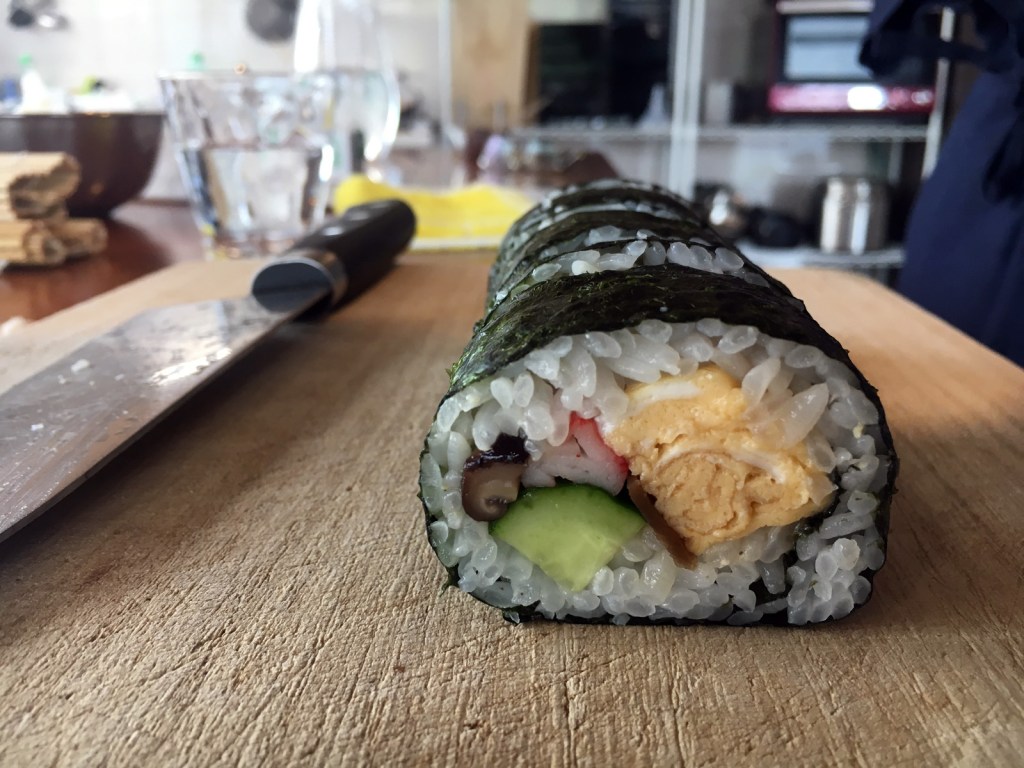
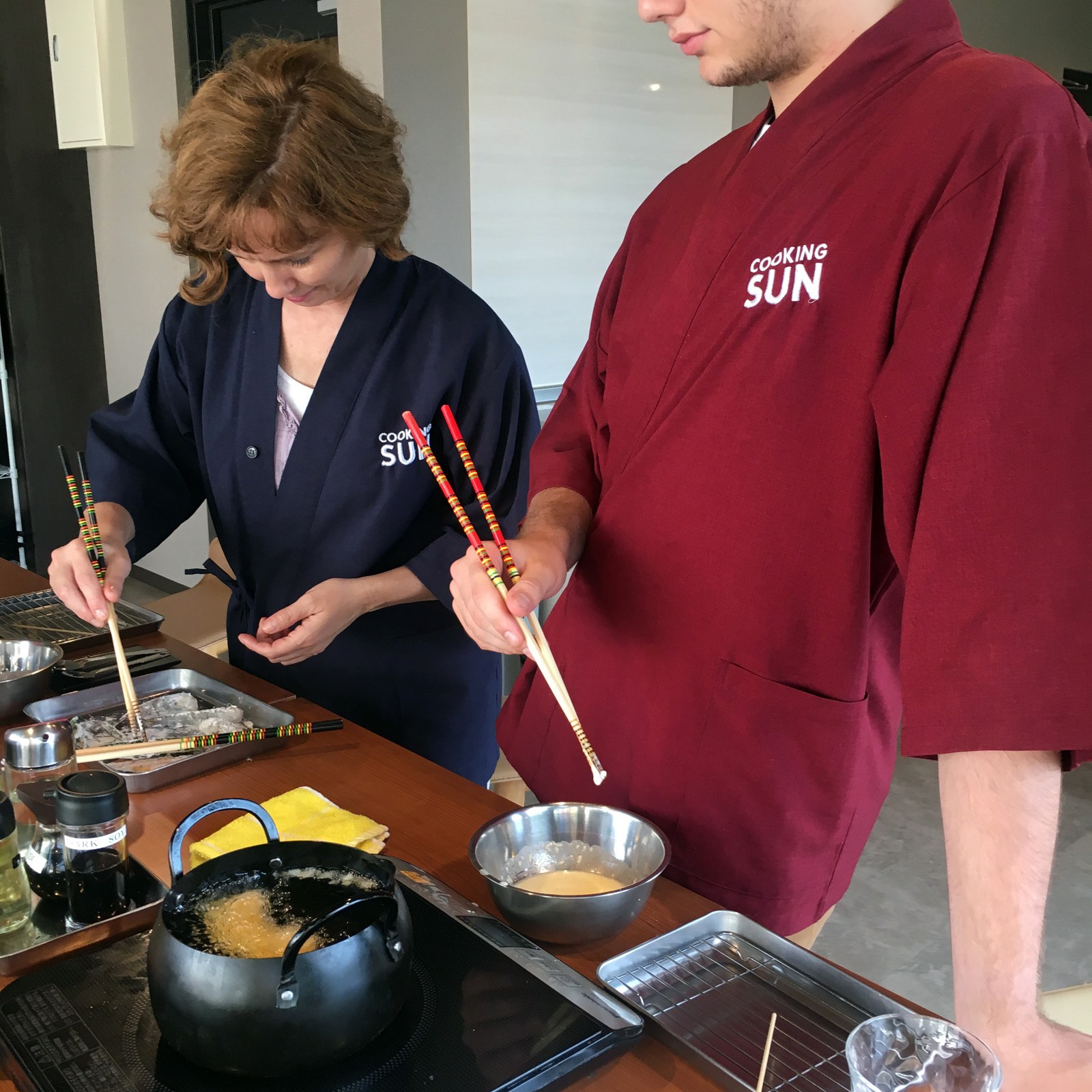
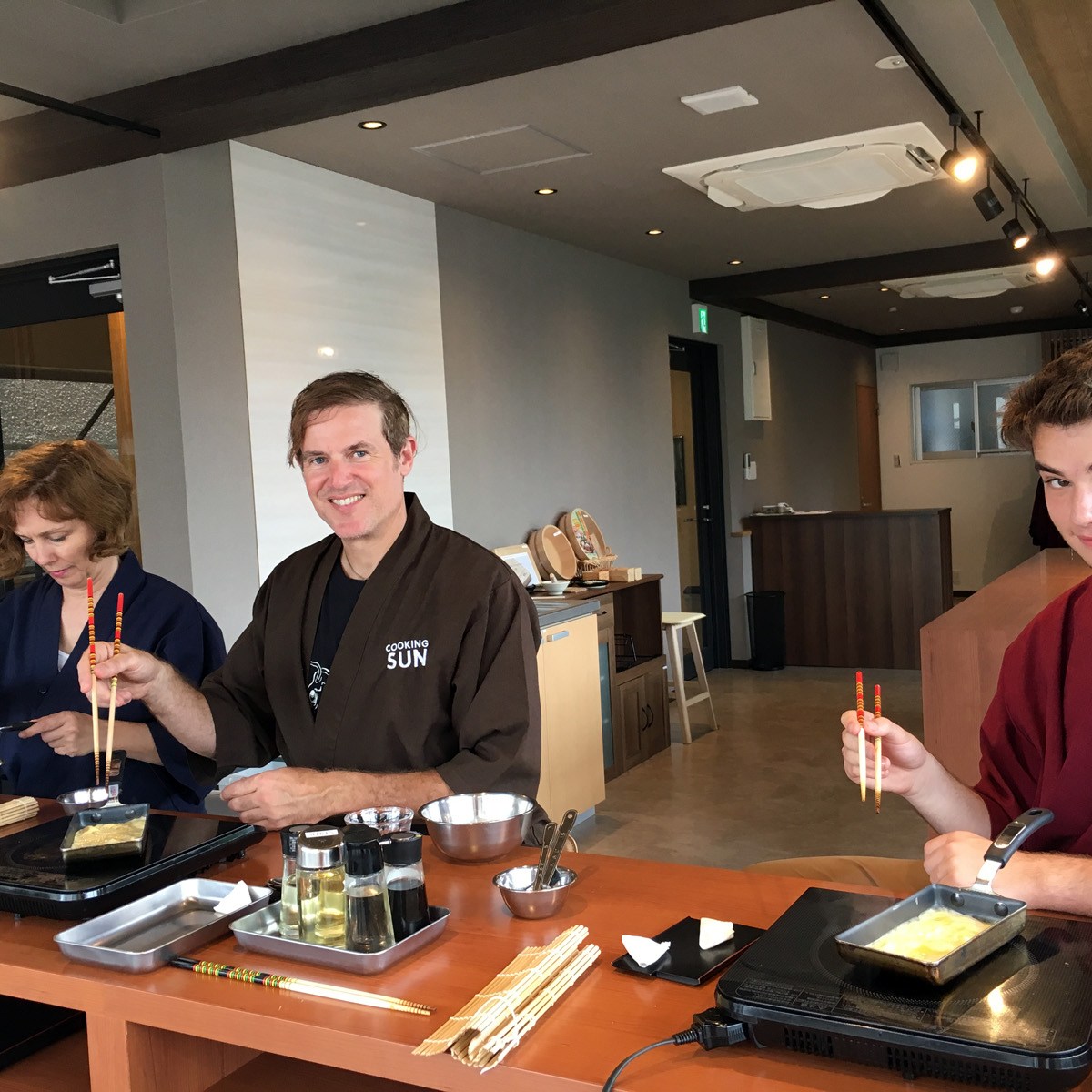
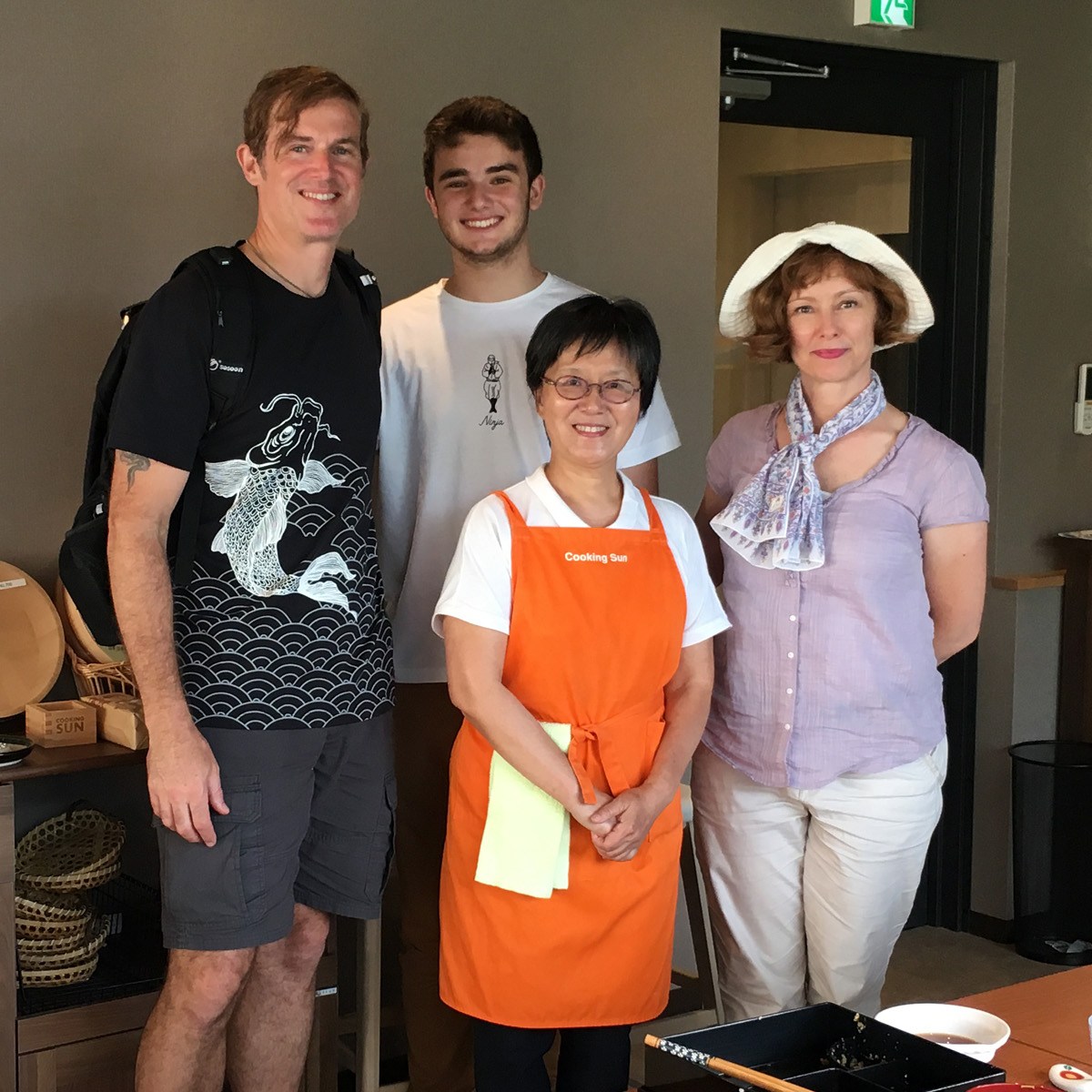
Stasia scheduled a cooking class for us! With our delightful instructor Kazumi, we created then consumed our own bento box creations – making rolled omelettes, teriyaki chicken, miso soup, sesame spinach salad, sushi rolls and tempura shrimp and vegetables.
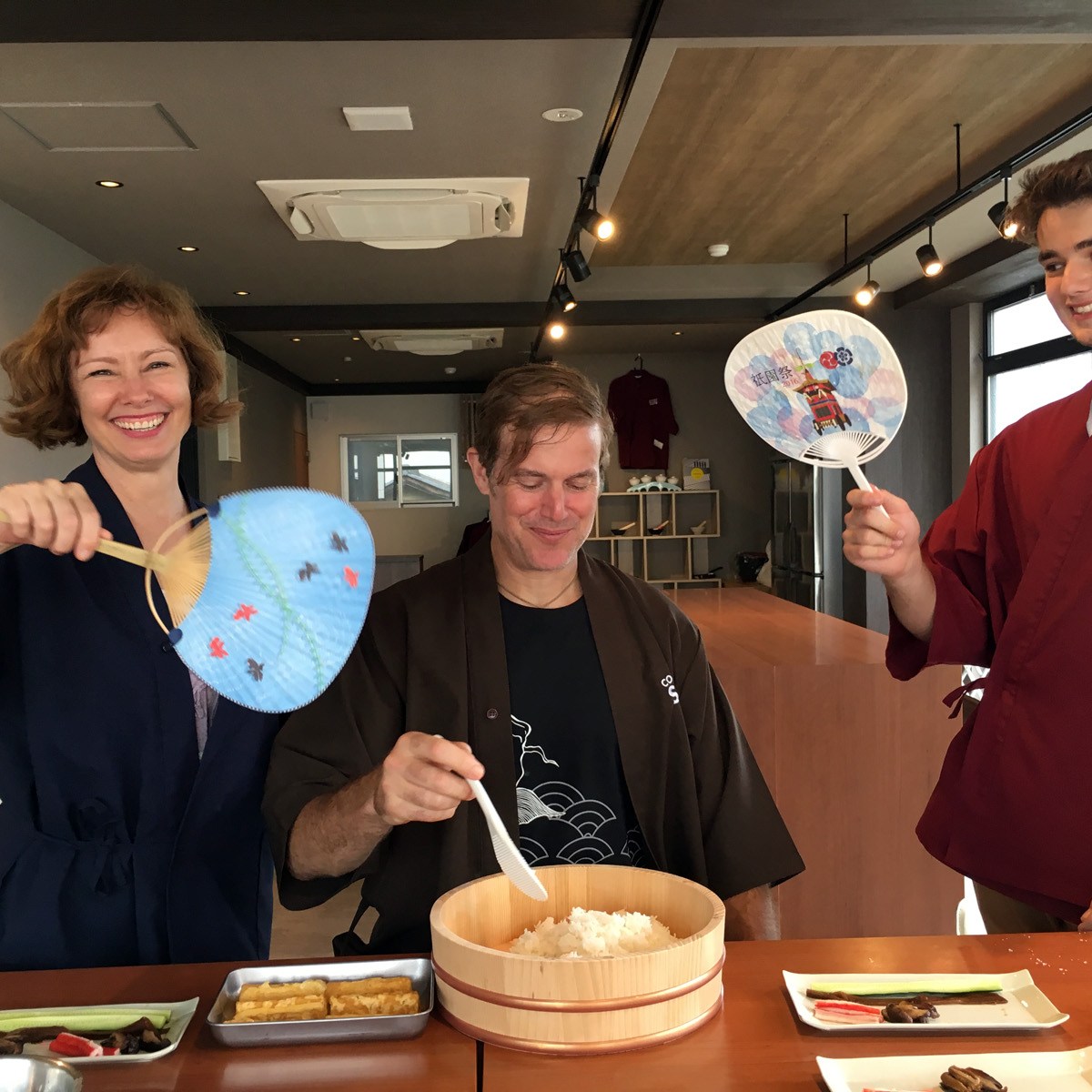
It’s ALL about the Dashi
First, foremost and most important we learned the foundation for many Japanese dishes – how to make a proper, authentic dashi. Very simple but delicate, dashi is essentially a stock made from kelp and grated bonito fish. It can be more elaborate and there are many versions.
Something fishy about that stone you’re holding
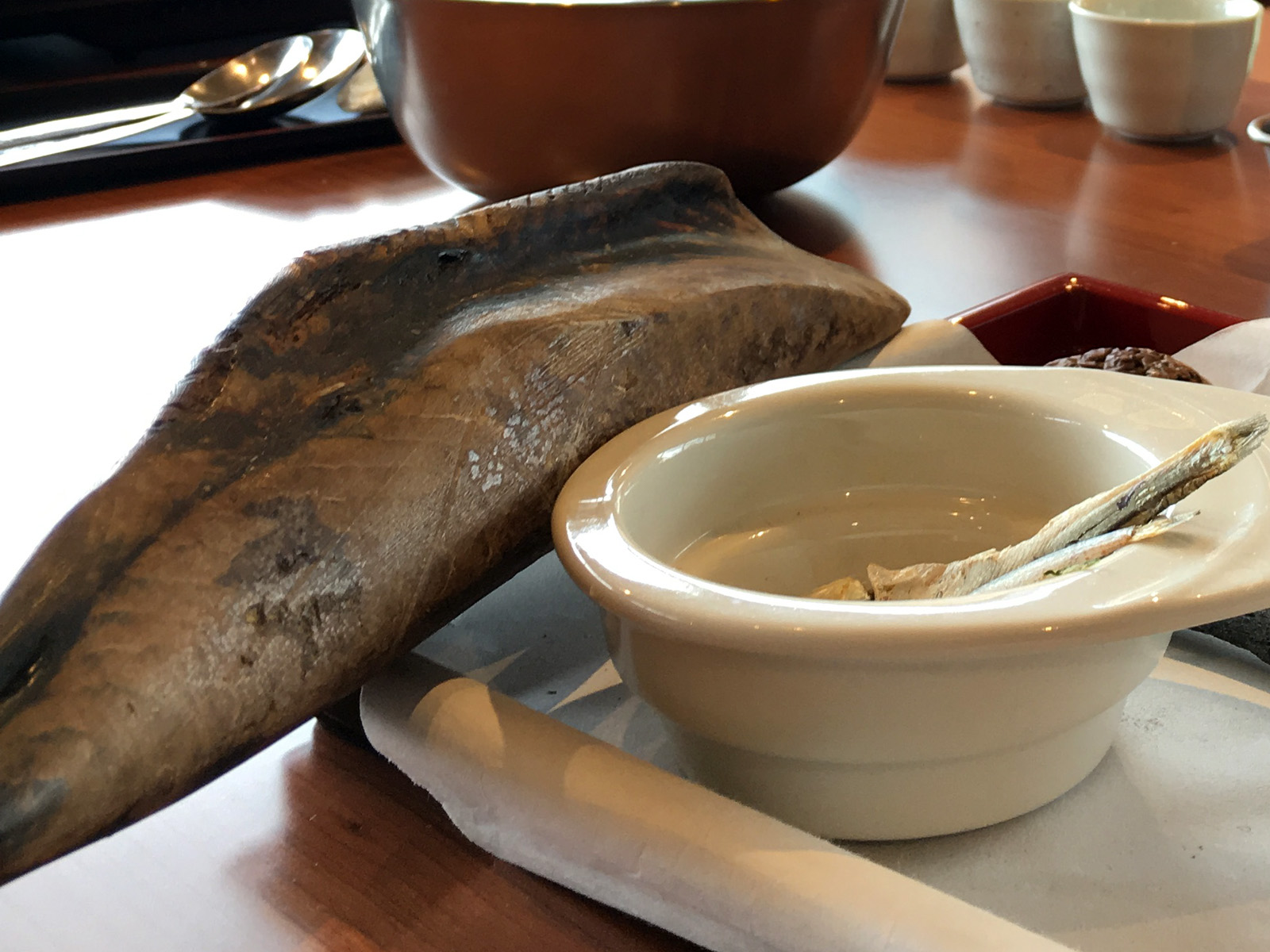
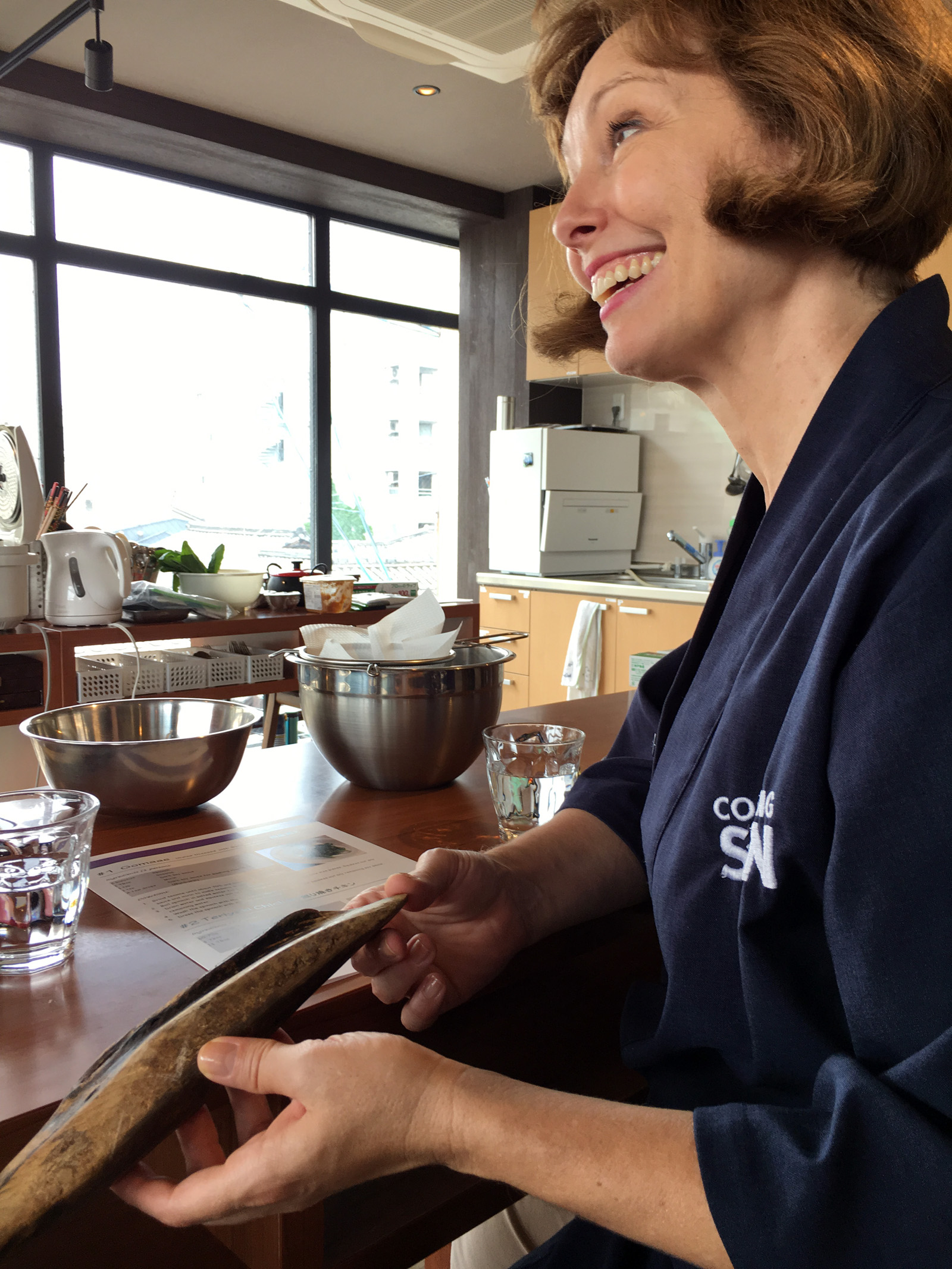
Kazumi took out a heavy object. Is that a rock? Petrified wood? A weapon or primitive tool? Nope, it’s a bonito fish which has been salted and preserved in such a way that it’s solidified into a heavy, smooth, stone-like composition. We’d never seen or heard anything like this and couldn’t believe it was edible. It has the distinction of being the hardest food in the world (Guinness book) and don’t even think of trying to cut it with a blade or attack it with your cheese grater. This thing requires shop tools before it will part with the thinnest shavings. One petrified fish will last years and it could easily be used for self defense should your katana not be available.
When Albuquerque met Japan
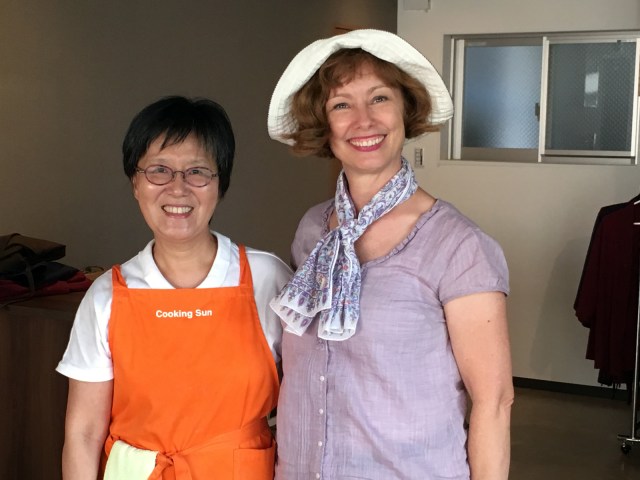
Stasia and Kazumi both found each other’s names to be phonetically challenging and spent most of the day trying to remember how to say them correctly. Just like every other person we encountered- from shopkeepers to drivers to random passerby’s, Stasia’s authentic charm, radiant smile and friendly conversation won them over and new friends were made.
She doesn’t go through life like an ant with head down and ‘got a job to do’ mentality. She gives attention, intention and soulful awareness. She has a way of disarming you with those smiling eyes, quick wit and engaging observations – plus her Italian heritage has blessed her with the most expressive hand gesticulations. Despite language challenges we could always count on those hands to do the talking.
Nishiki Market
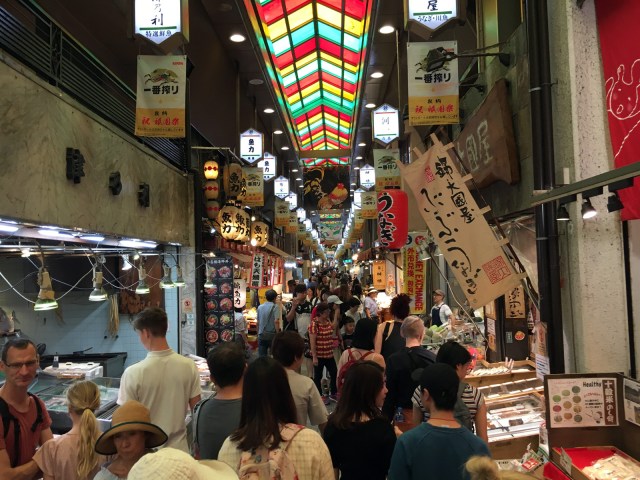
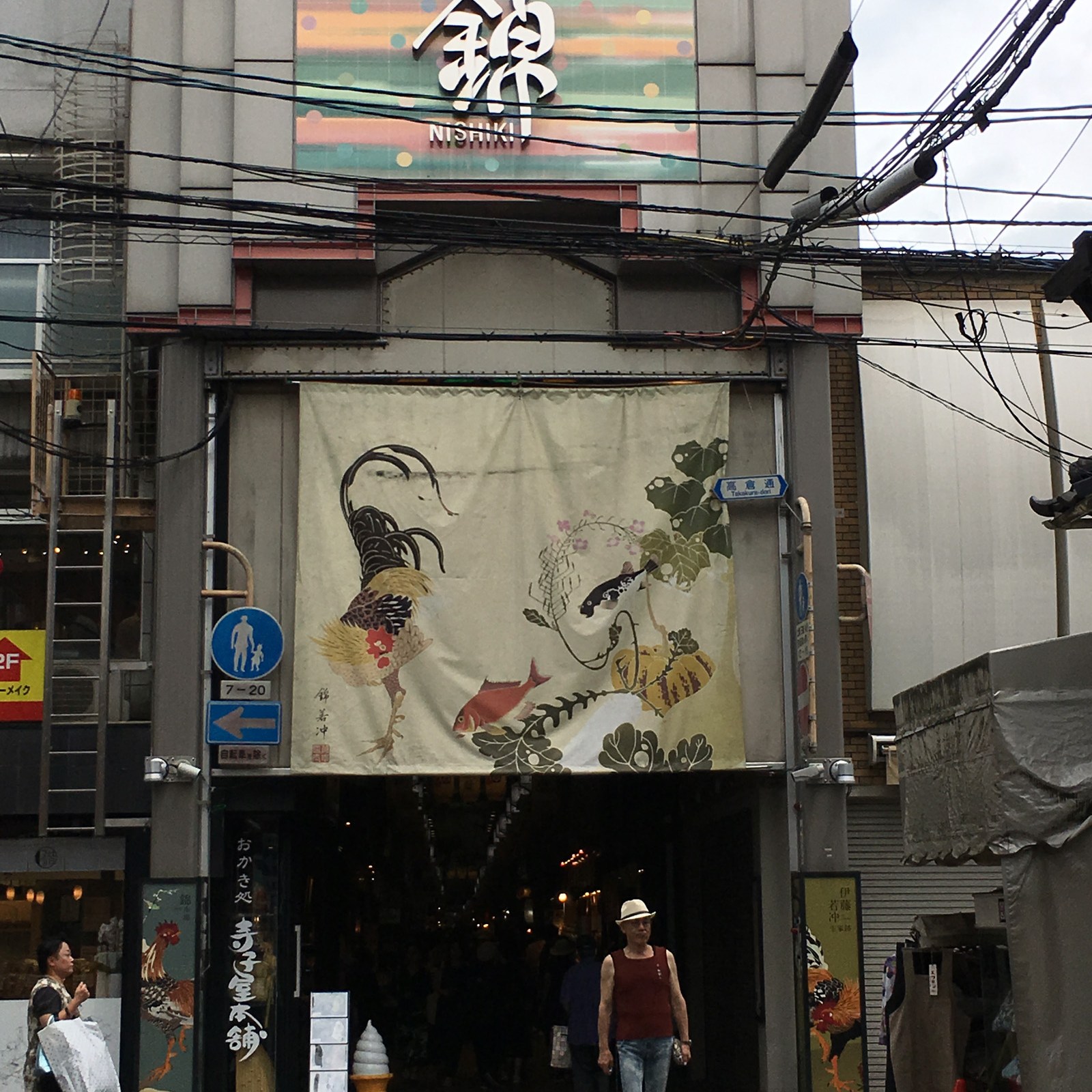
Also called ‘Rainbow market’ this 1000 meter marketplace was a foodie paradise. Despite being filled from my bento, when I saw the dizzying array of digestible exotica, I grew a second stomach.
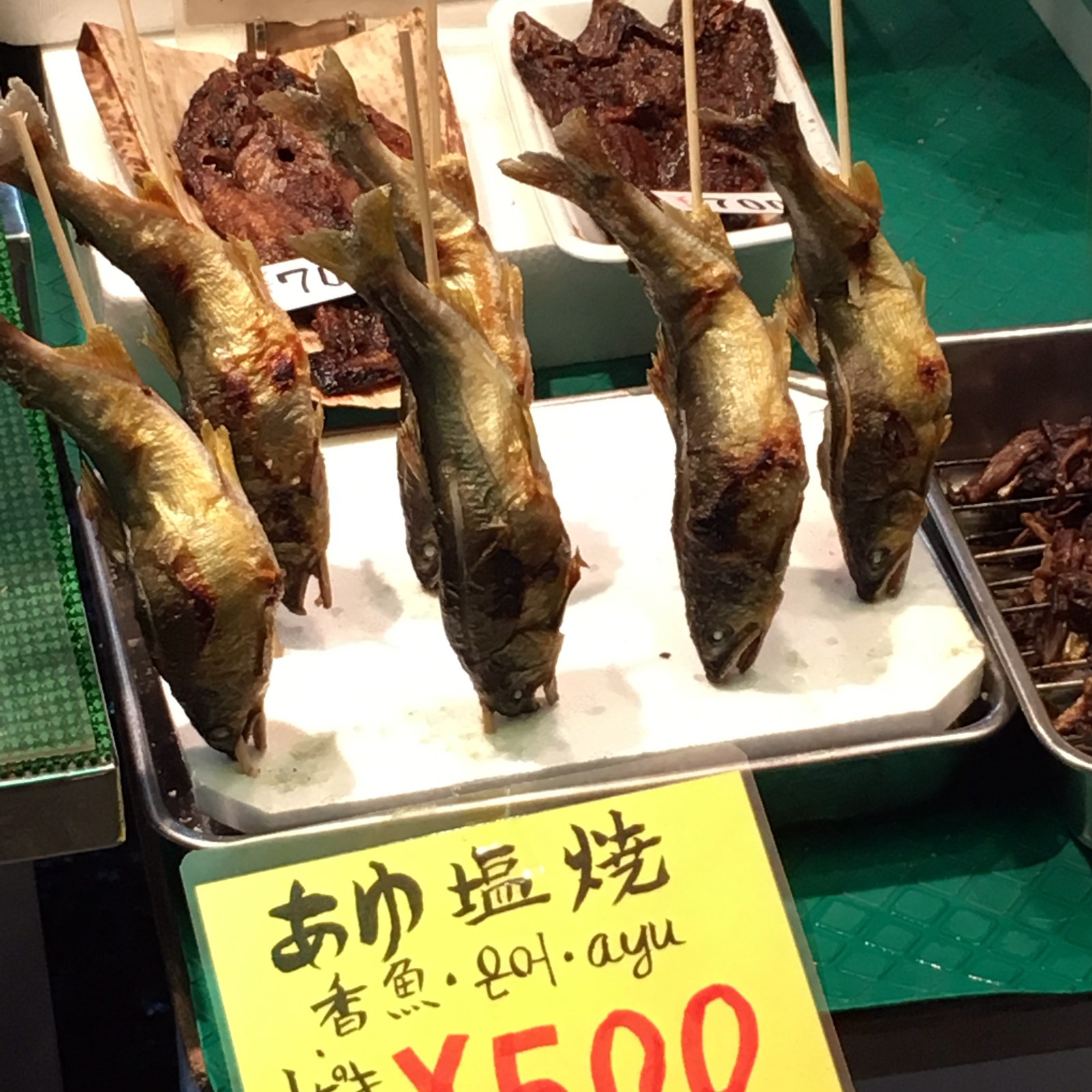

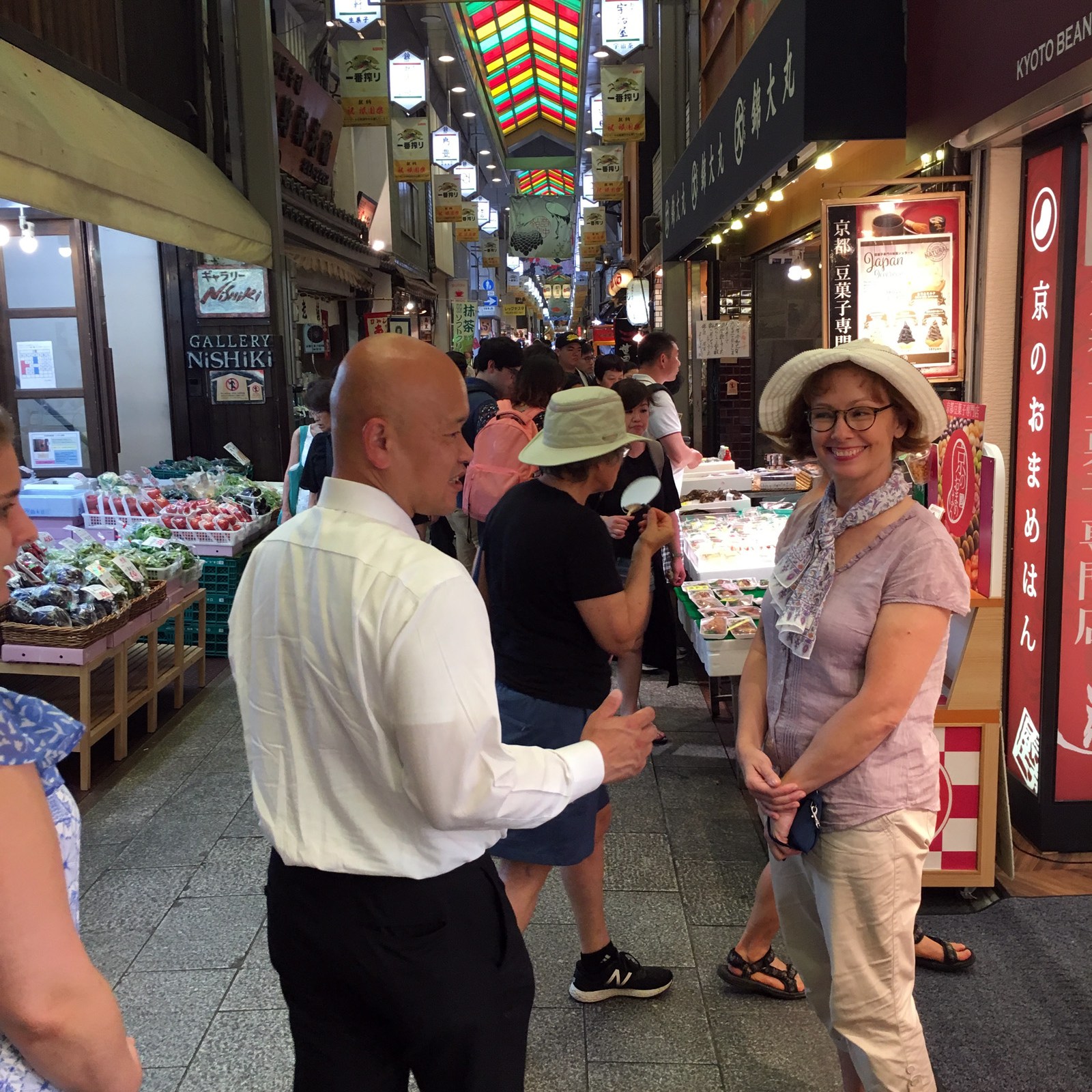
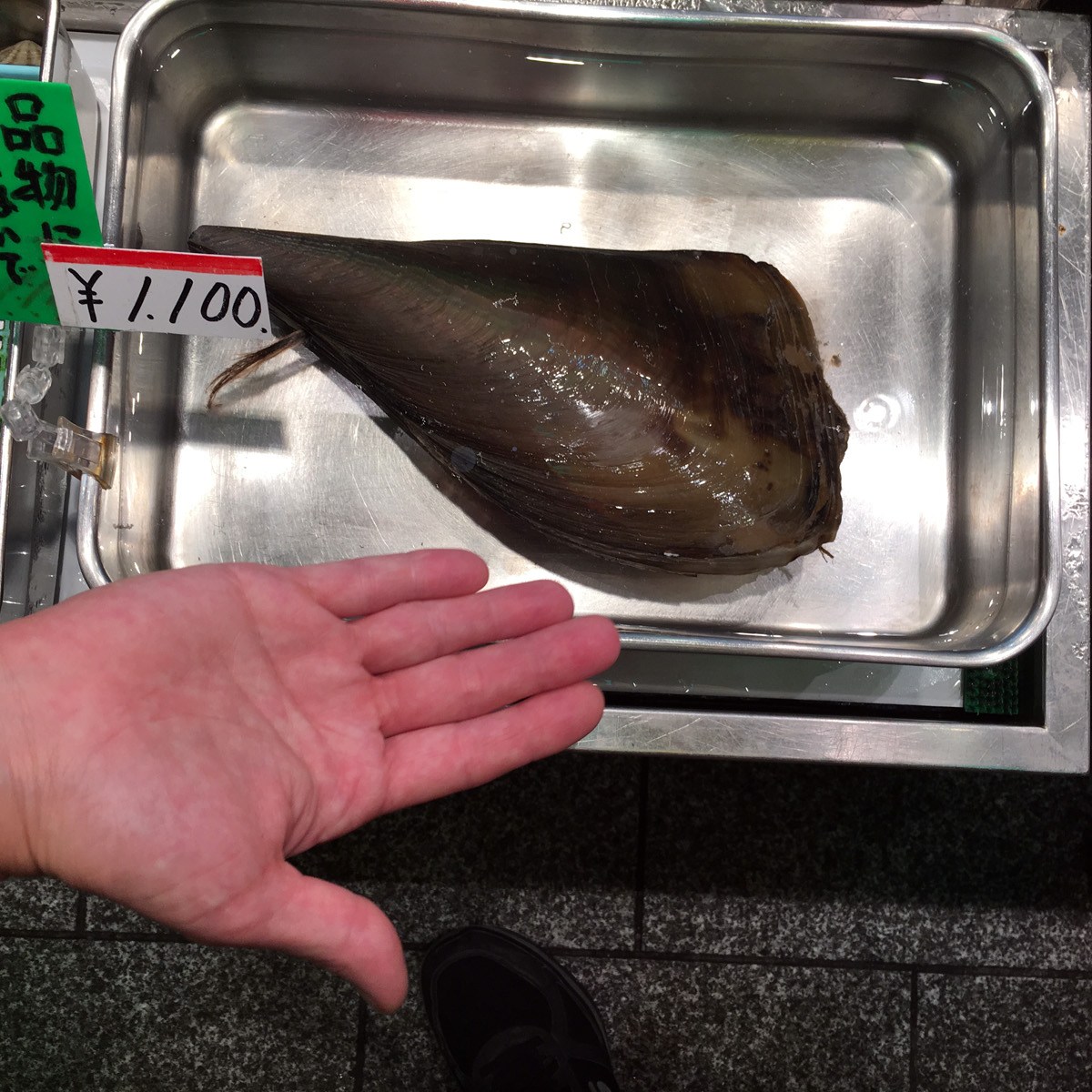
I consumed one of my favorite finds on the trip – a gorgeous, shiny, purple baby octopus whose head was filled with eggs – on a stick of course.
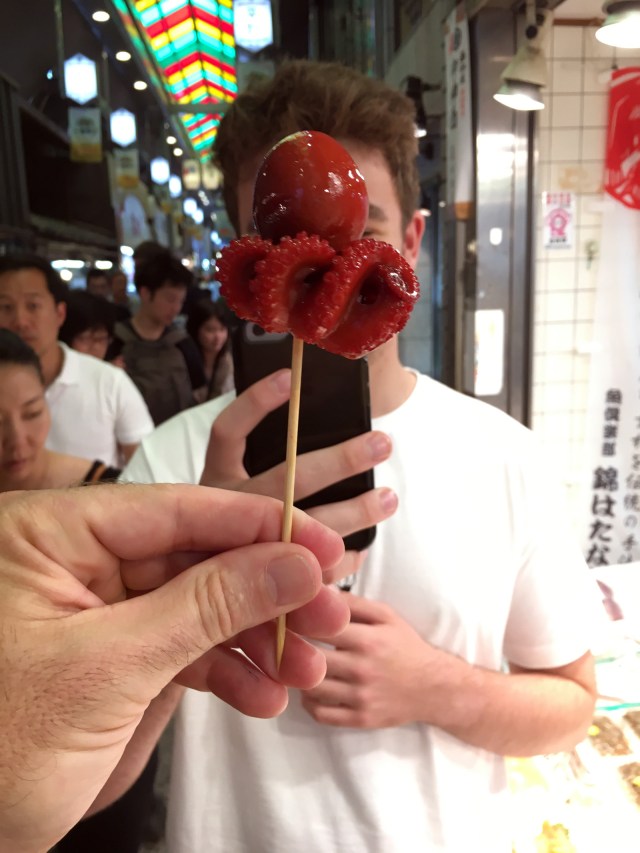
I was so enthused to experience this crimson cephalopod that when I first bit into it, I bit my lip – and hard too. While the pain didn’t slow me down, it did cause me to jerk my mouth open, exposing the half-chewed octopus brains in my mouth to a rather unlucky Japanese passerby whose lifelong practice of gentle composure could not suppress a look of revulsion. I’m glad to have provided her with a memorable souvenir.
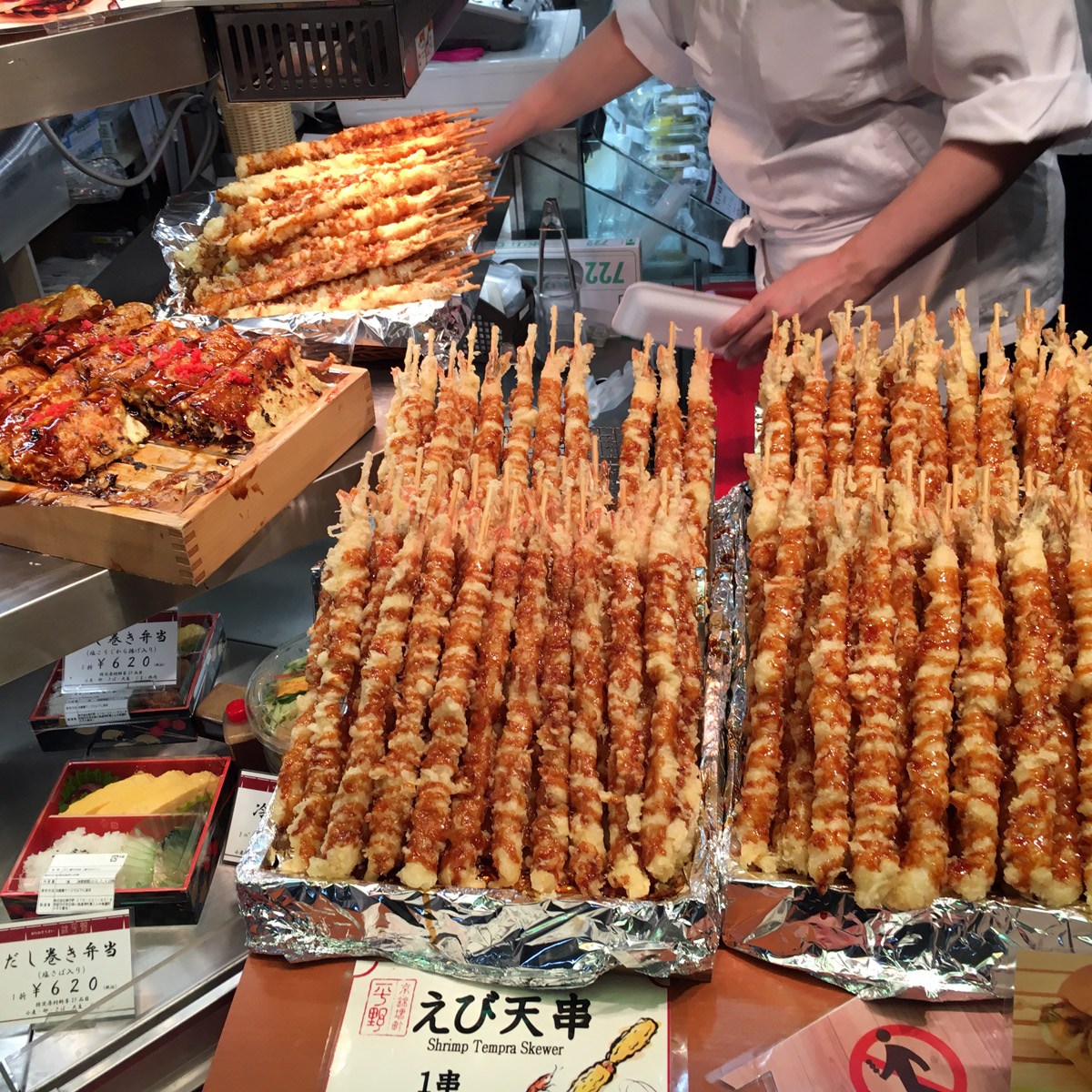
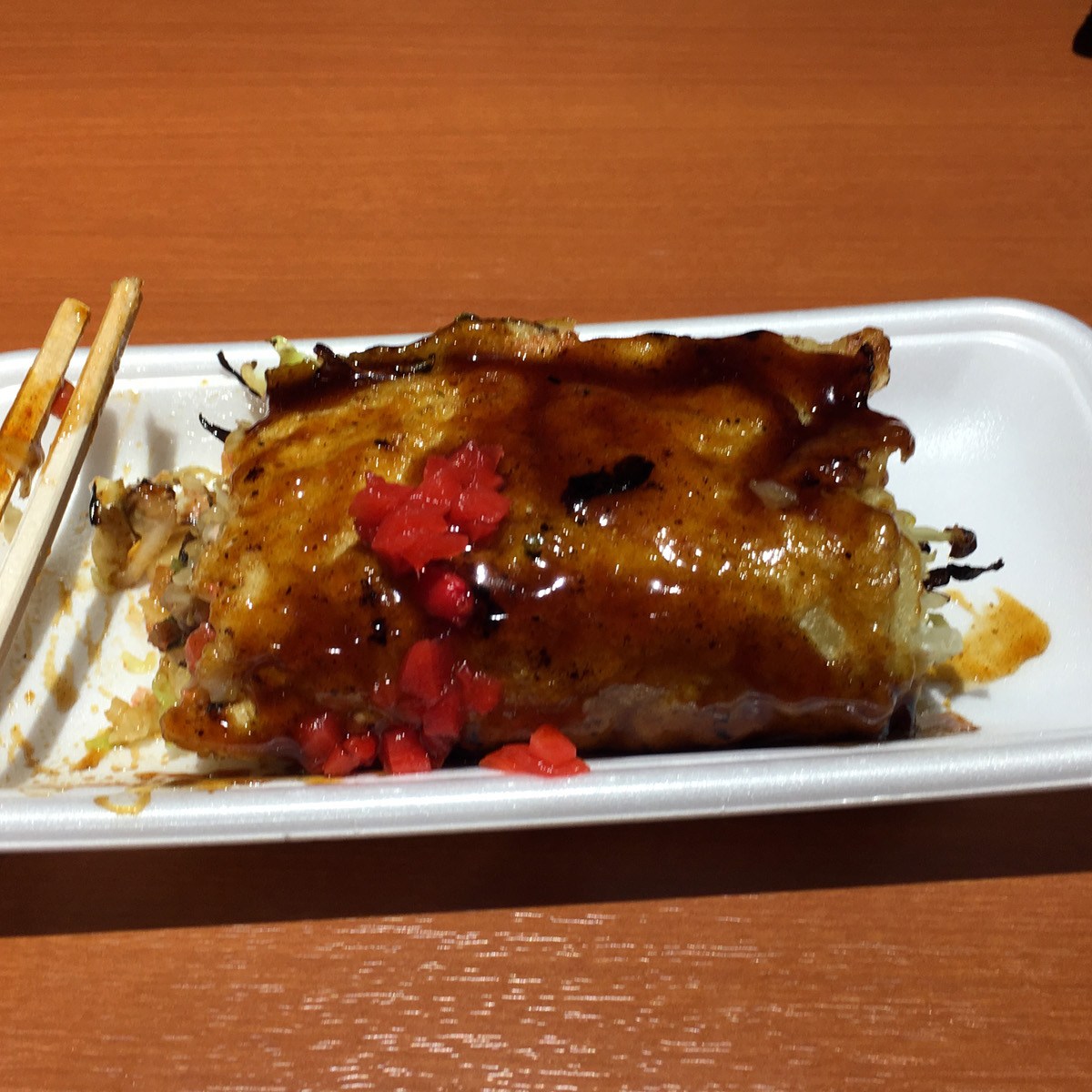
We also enjoyed skewers of tasty chicken, a Japanese crab omelette, some kind of whole fish on a stick, and matcha ice cream.

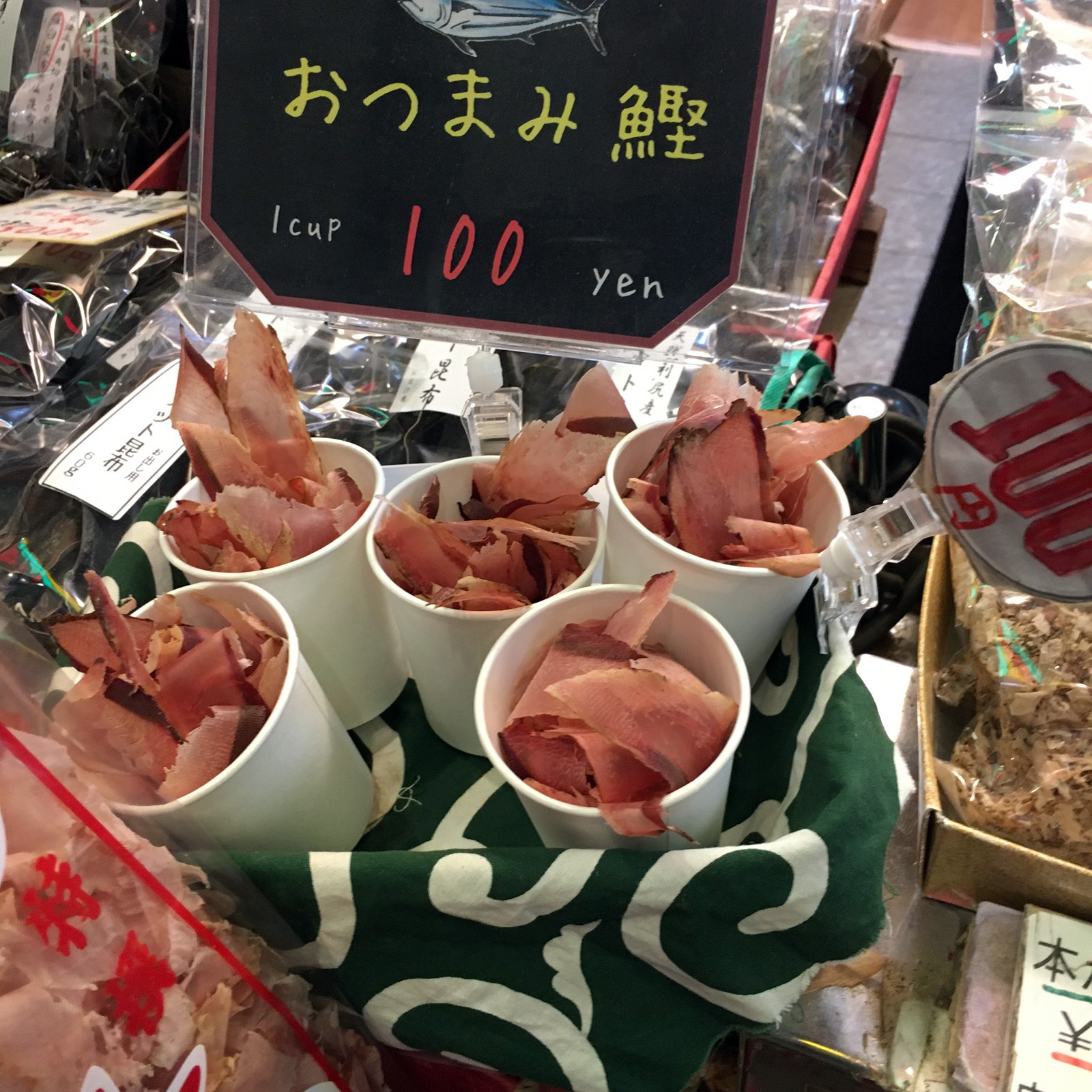
Other than food we had two goals here – the famous medieval knife shop and Stasia’s new obsession- one of those crazy bonito bricks.
Aritsugo Knife Shop
Nestled in Nishiki Market is Aritsugo, world famous for it’s superior knives, and still in operation after more than a thousand years.
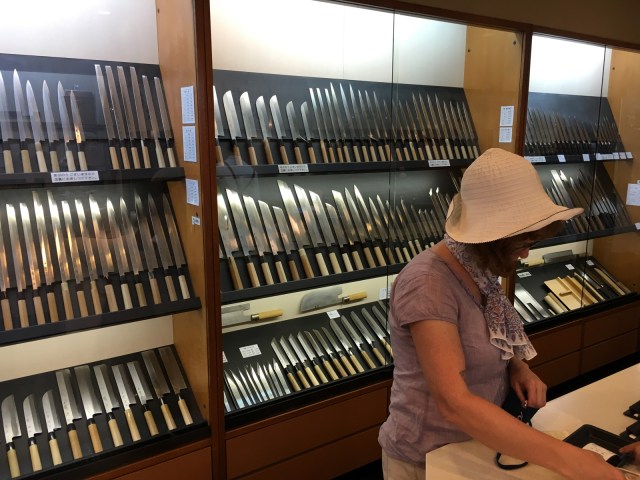
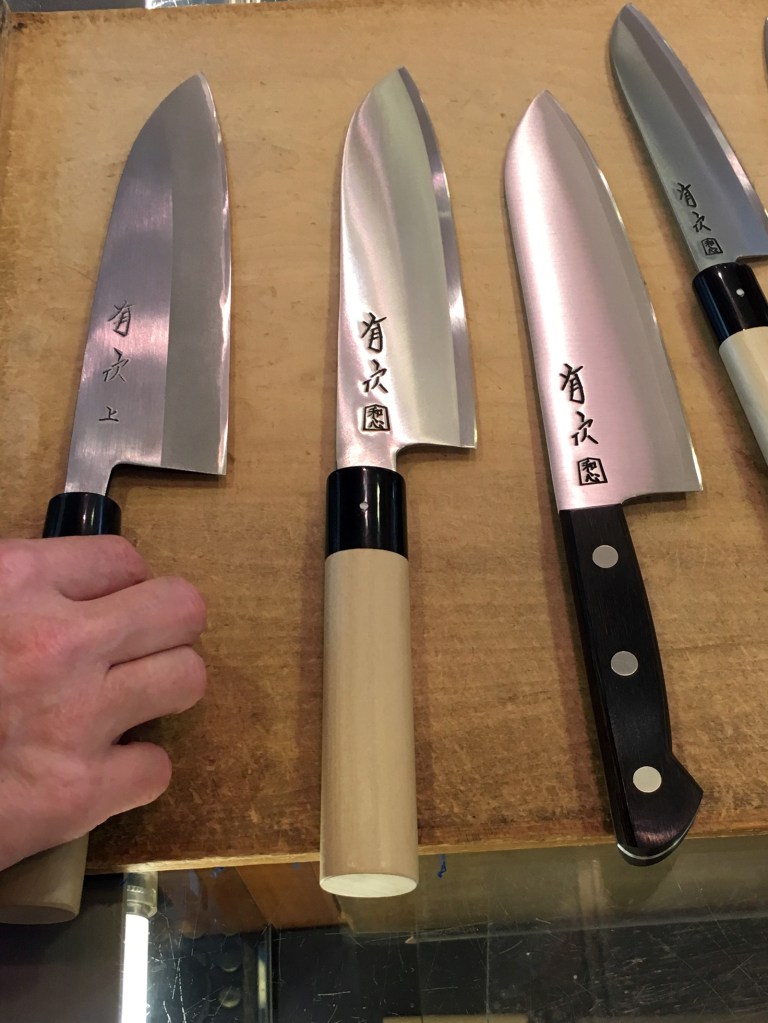
Their beautiful cutlery is sought after by top chefs across the globe. Quality kitchen knives are pricey, and these were no exception, but it was well worth it to this family of cooks. We settled on a 9-inch Japanese style French blade – stainless on the outside, carbon on the inside and a nice wooden handle. Very light, very sharp and felt great in our grip. This will be a family heirloom for Zephyr and when they offered free engraving, we had them inscribe his name in kanji script. Z also found the most intricate little vegetable cutter – a stamp in the shape of a flower.
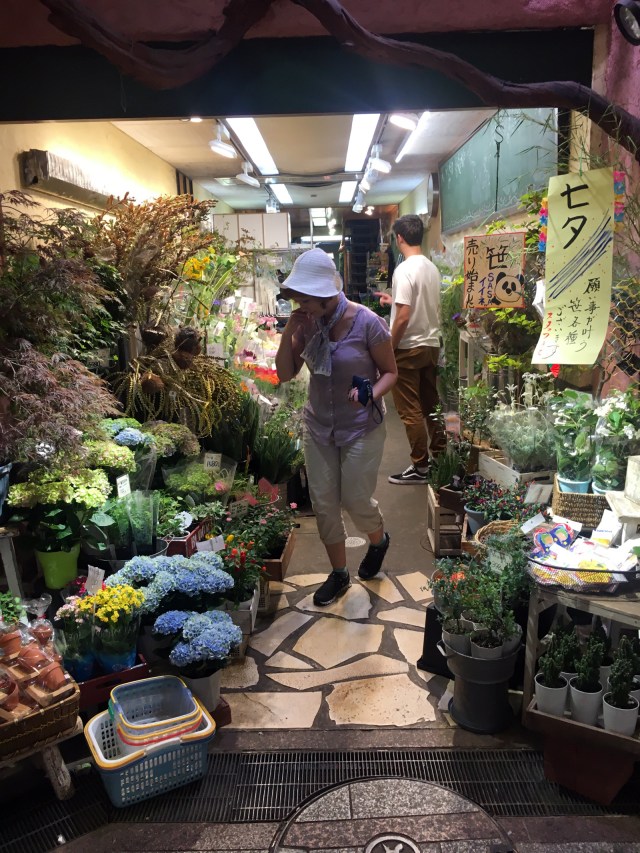
On the way out Stasia picked up a native hydrangea as a gift for our lovely host at the Ryokan.
Our Oddysean Quest
Early in the day, before the tea ceremony, Stasia needed to pop out and get some nail polish. It was just around the block. Easy enough, right? How hard can that be? Oh, how Kyoto was about to learn us a lesson.
We left Zephyr to chill in the Ryokan and set out for a quick there-and-back.
Having forgot our pocket WiFi, we had to rely on a cell data connection to map us to the salon she’d found. We found it after a few diversionary turns. They were closed. No problem, there’s another salon a half kilometer away. The map kept playing tricks, making us u-turn more than a few times – but our purpose powered us with patience and we felt our way around.
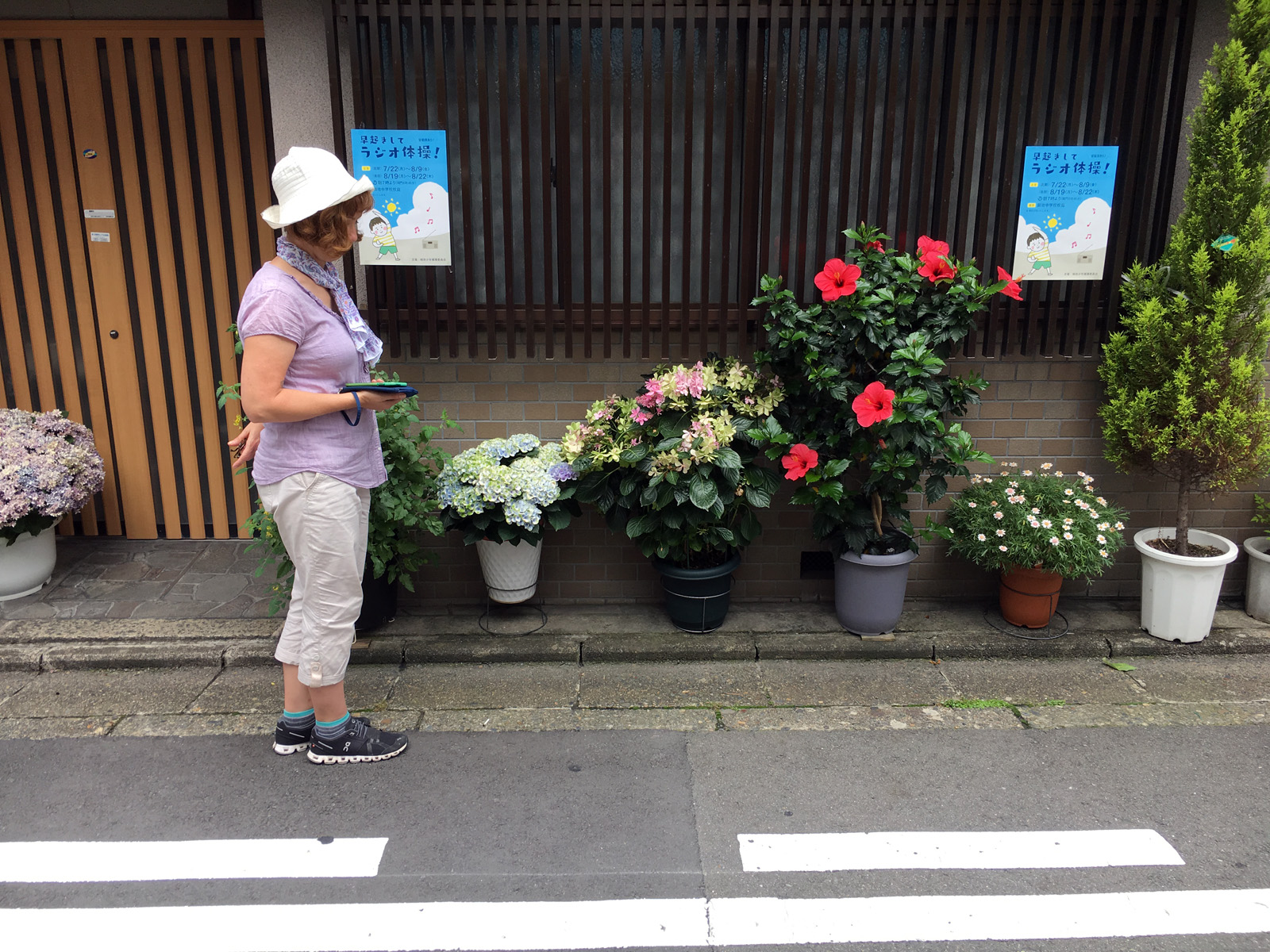
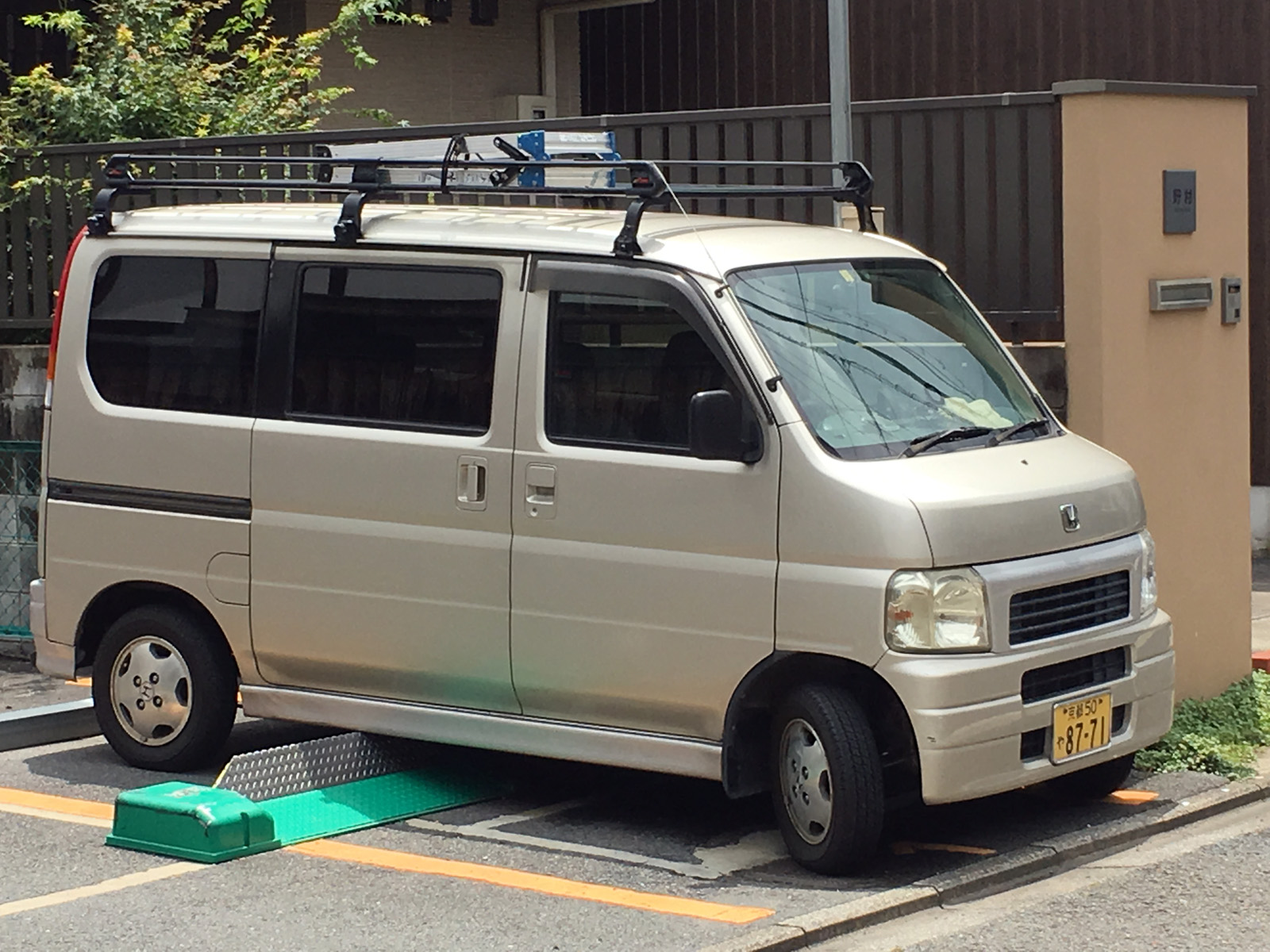
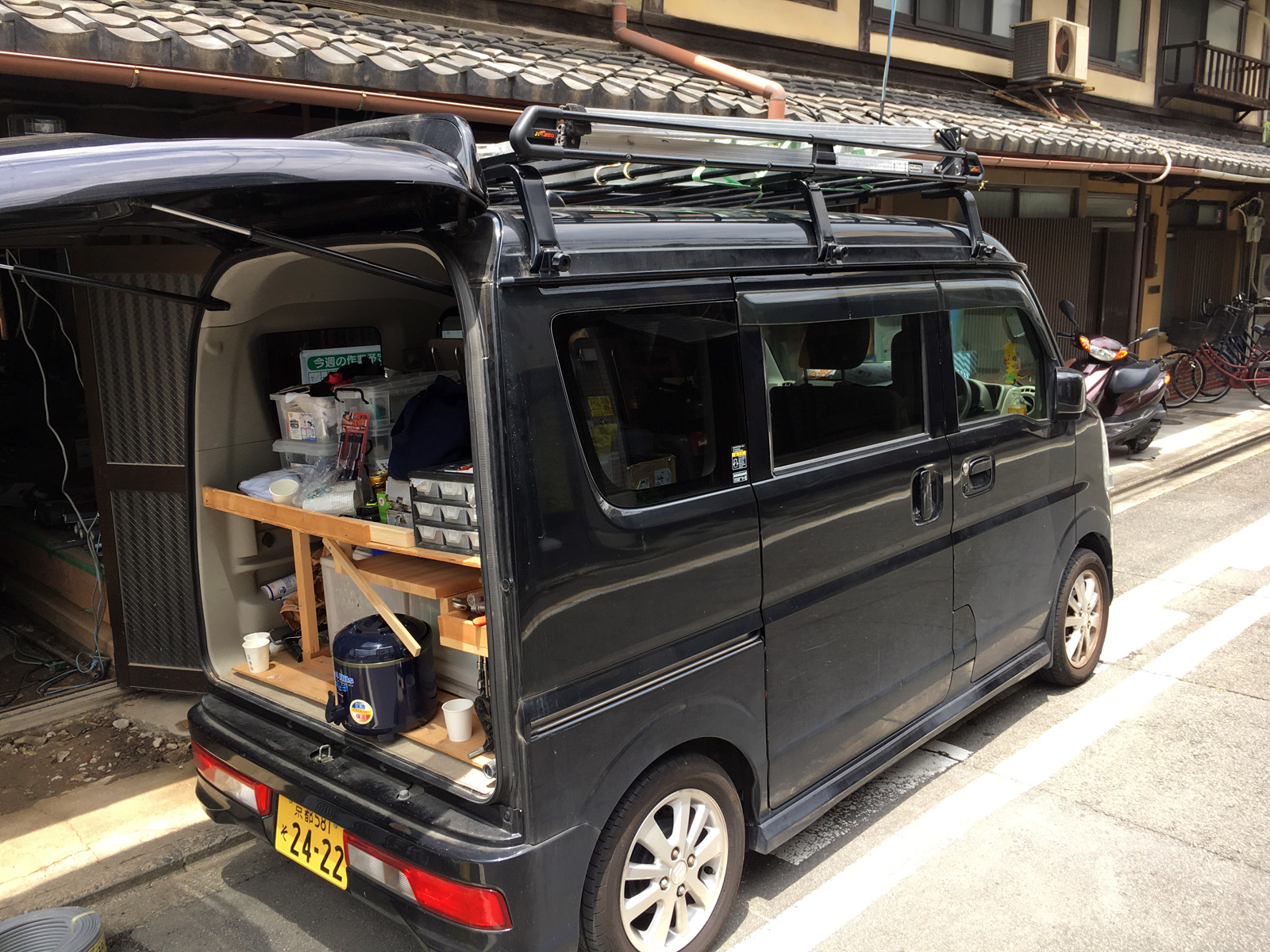
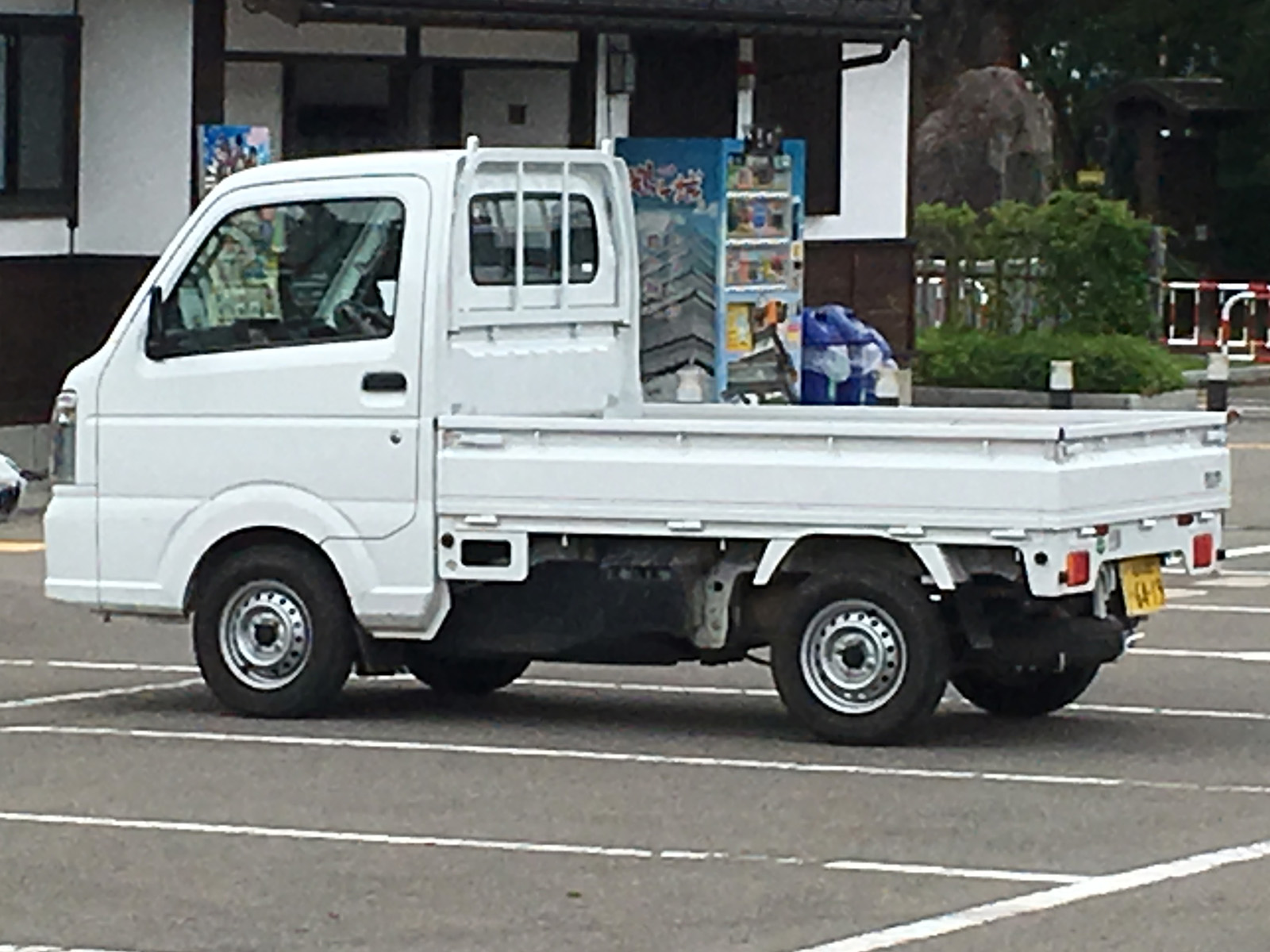
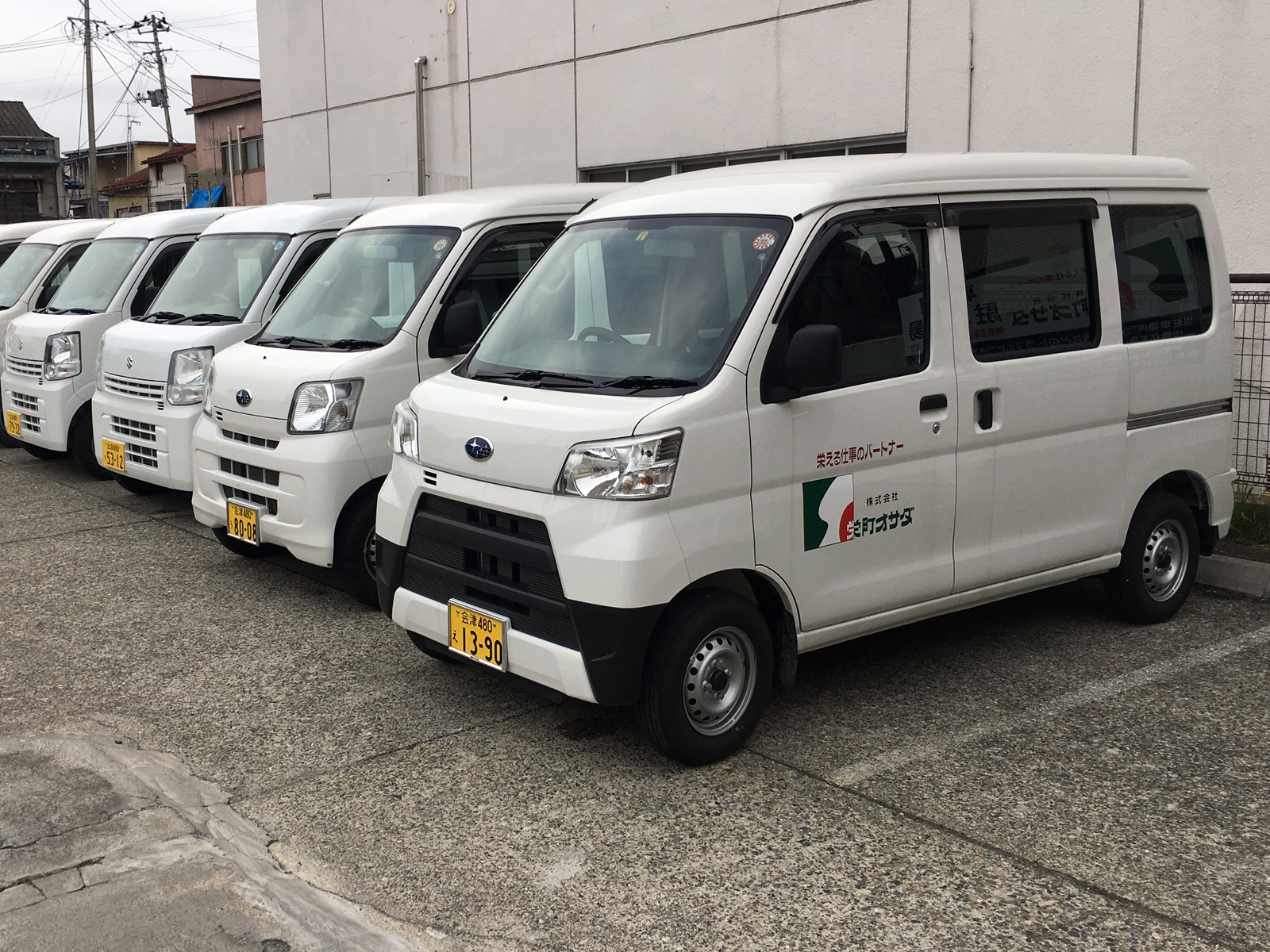
Along the way I took a few pics of the tiny transportation they have out here. All the trucks and vans are like half-size and just as precious as a Pikachu.

We found it … well, at least the shop sign, but trapesing up and down the building where the sign hung left us puzzled – no obvious way of entering or even finding the door. We eventually gave up on that place.
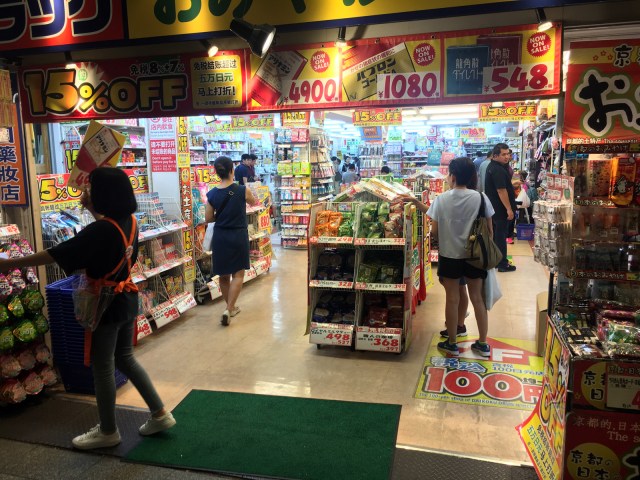
Ok, so salons weren’t going to reward us. Let’s try all these other brightly lit convenience shops… nope. After 90 minutes and countless kilometers, we decided (in the interest of time) to take a cab. With google to translate we were able to communicate our goal, to which the driver responded with ‘Cosmetica?’ Yes, by the Shogun’s shinguards, we were finally getting somewhere!
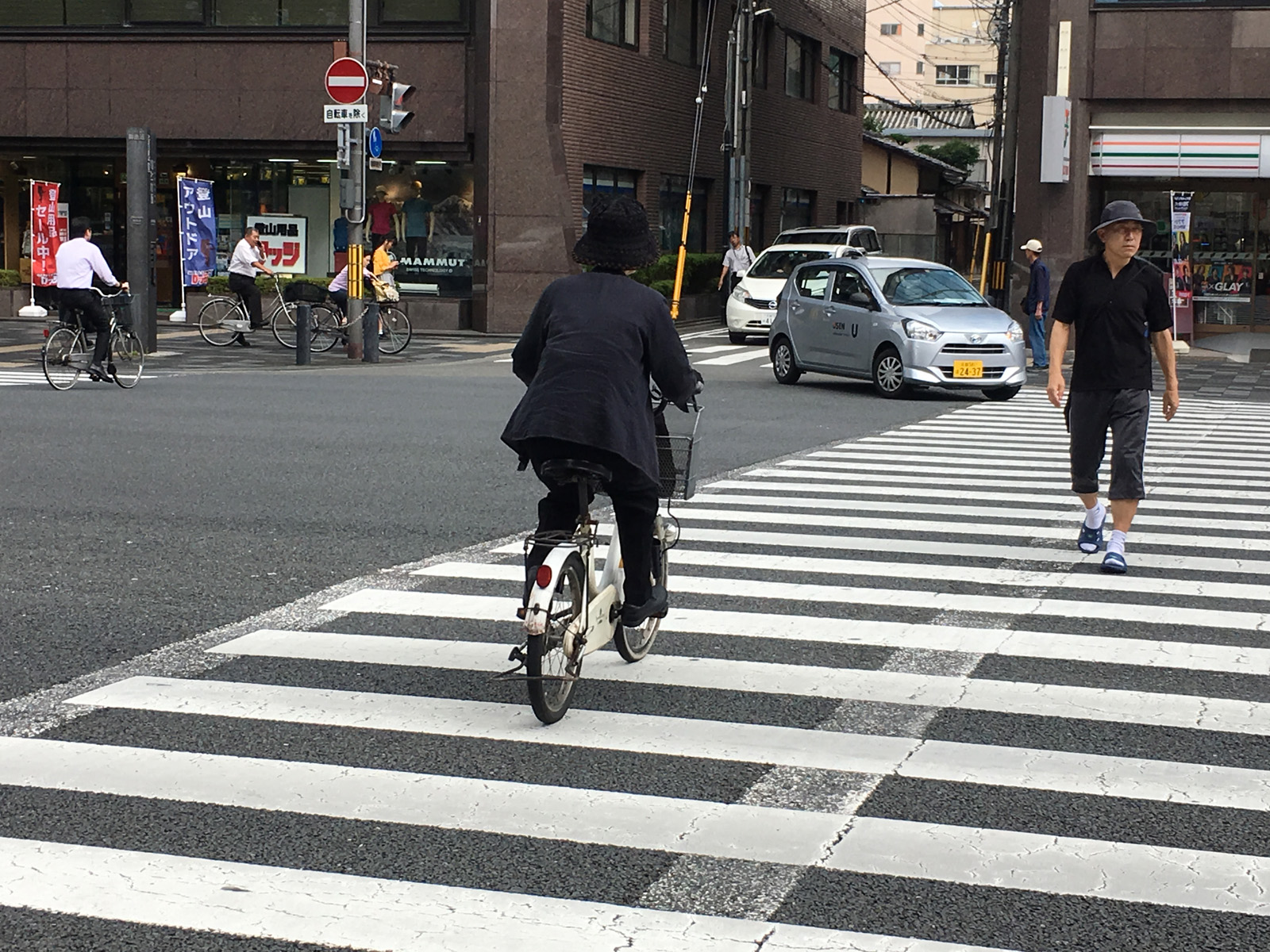
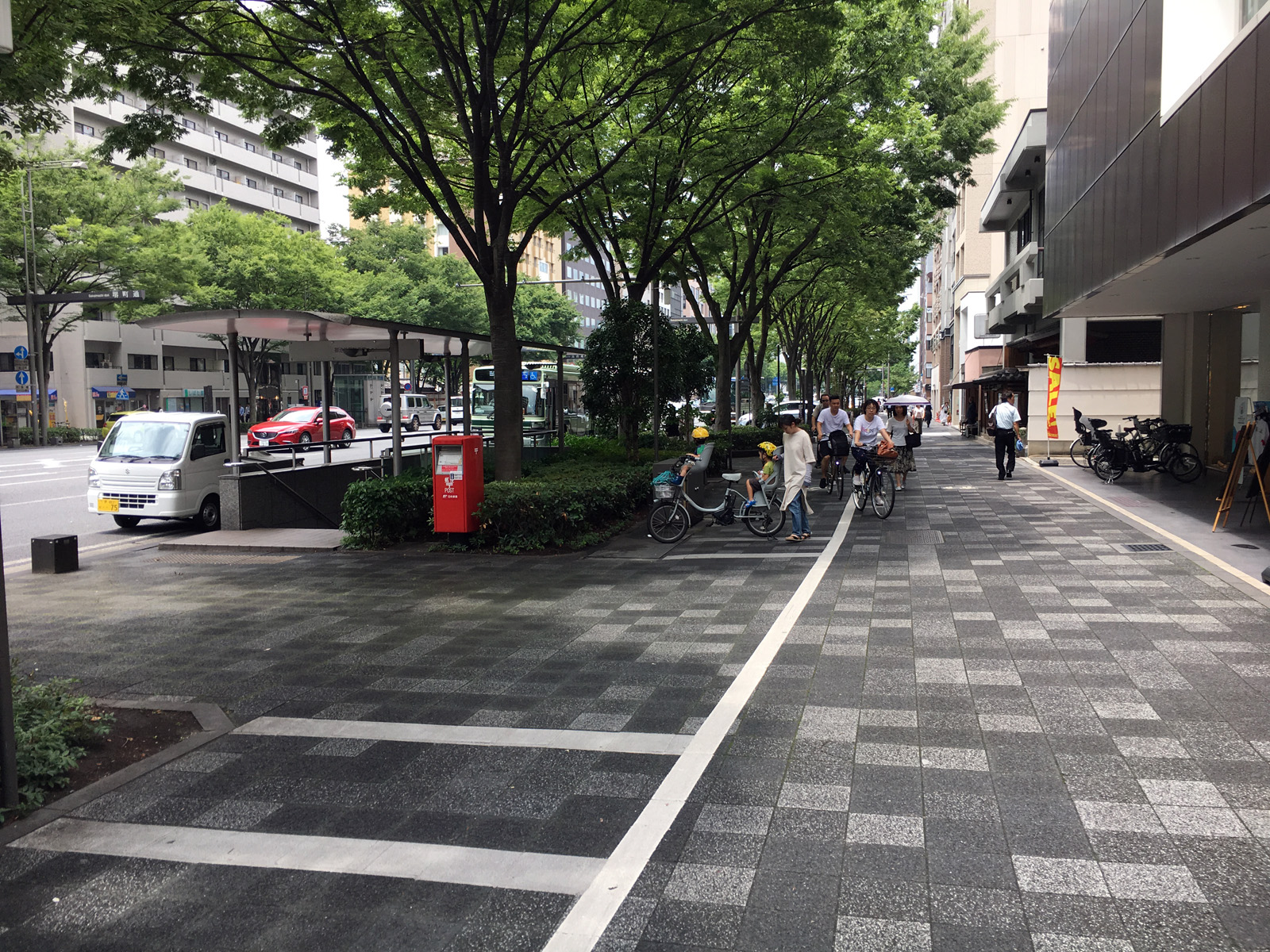
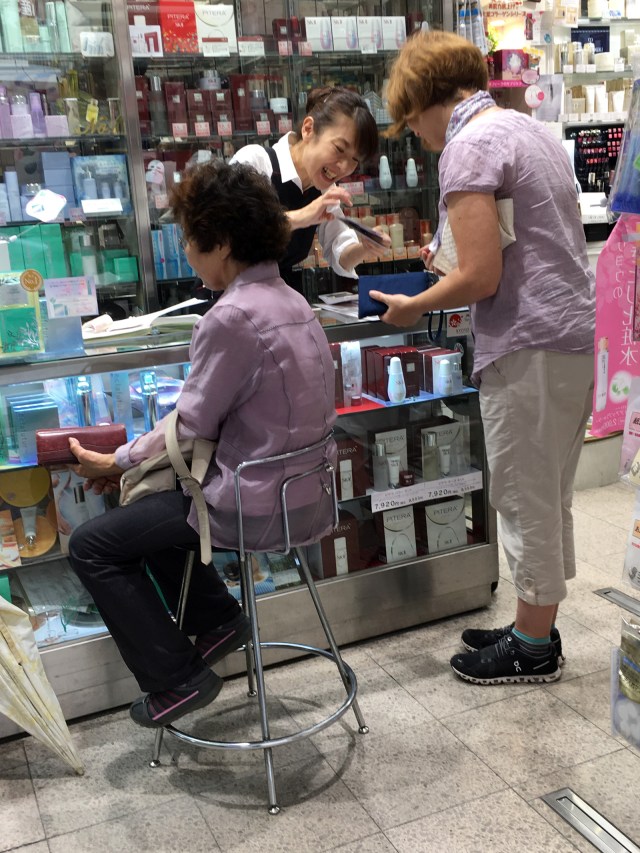
Off we went, and as we motored farther and farther away from our hotel we began to get concerned. Just as we were about to ask him to just let us off before he took us half way to Tokyo, he pulled over in front of a department store. Hurray! Up on the fourth floor behind all the $300 designer T-shirt’s we found the cosmetics counter. It was different and Stasia tried to get some help … but the language barrier was a tall one, and consequently ended up getting the wrong stuff, which she didn’t realize until we’d taxi’d back to our hotel. Foiled again! I was beginning to wonder if we didn’t offend the god of nail polish, but this was no time for pessimism.
Nope, we wouldn’t give up but it was time to head out for our scheduled events. When, later that afternoon, we found ourselves near a different department store she asked our guide Ochi-san to help her translate this seemingly simple need to the cosmetics counter… who replied they were all out. Seriously? Wow, this was a stumper!

Skepticism tried to make inroads, but we wouldn’t have it. Gods teeth, there MUST be nail polish in this town!
Stasia saw a gift shop full of random brightly colored gifts and took a chance. Sound the trumpets, there it was! Our patience had paid off and her wanting nails were soon bathed in coats of beautiful lacquer.
 The Itinerant Three TnTs